The Hub space during the LBE residency acted as a creative studio, providing a base for the group’s transdisciplinary and collaborative research as well as acting as a site for dialogue and engagement with different stakeholders and audiences. The research involved mixed methodologies across arts and science practices, data-gathering and storytelling, advocacy, activism and public events. The group also received unique access to resources and teams in Wellcome and Wellcome Collection.
Research outputs
Outputs spanned research, policy, culture and media (including podcasts), and featured a partnership with the WHO to design and deliver the Global Health Pavilion at COP27 and COP28. Indigenous-led work was central to the project, with core team member Sylvia Kokunda serving as first author on a research paper examining the forced eviction of Indigenous Peoples under the guise of ‘conservation’ efforts. The project also supported the creation of the Ogiek Cultural Centre in Narok County, Kenya – a space dedicated to preserving cultural heritage and fostering community engagement.
LBE’s work also enabled the Hub to award several discretionary grants, including one to the Ogiek People’s Development Programme to explore intergenerational storytelling and traditional Indigenous knowledges. Another grant supported human rights NGO Minority Rights Group International (MRG), working alongside Indigenous-led organisations in Kenya’s Rift Valley, to research how changes in freshwater systems are affecting the culture and health of communities living along the shores of Lake Bogoria and Lake Turkana.
The Hubs
Land Body Ecologies is anchored by Invisible Flock (UK), Minority Rights Group (UK), Action for Batwa Empowerment Group (Uganda), Ogiek Peoples’ Development Program (Kenya), Quicksand (India), University of Oulu (Finland), Lazy Man Coffee (Thailand) and independent artist Jenni Laiti (Sápmi).
List of Hubs:
- London Hub (United Kingdom): anchored by Invisible Flock and Minority Rights Group International.
- Bwindi Hub (Uganda): anchored by Action for Batwa Empowerment Group.
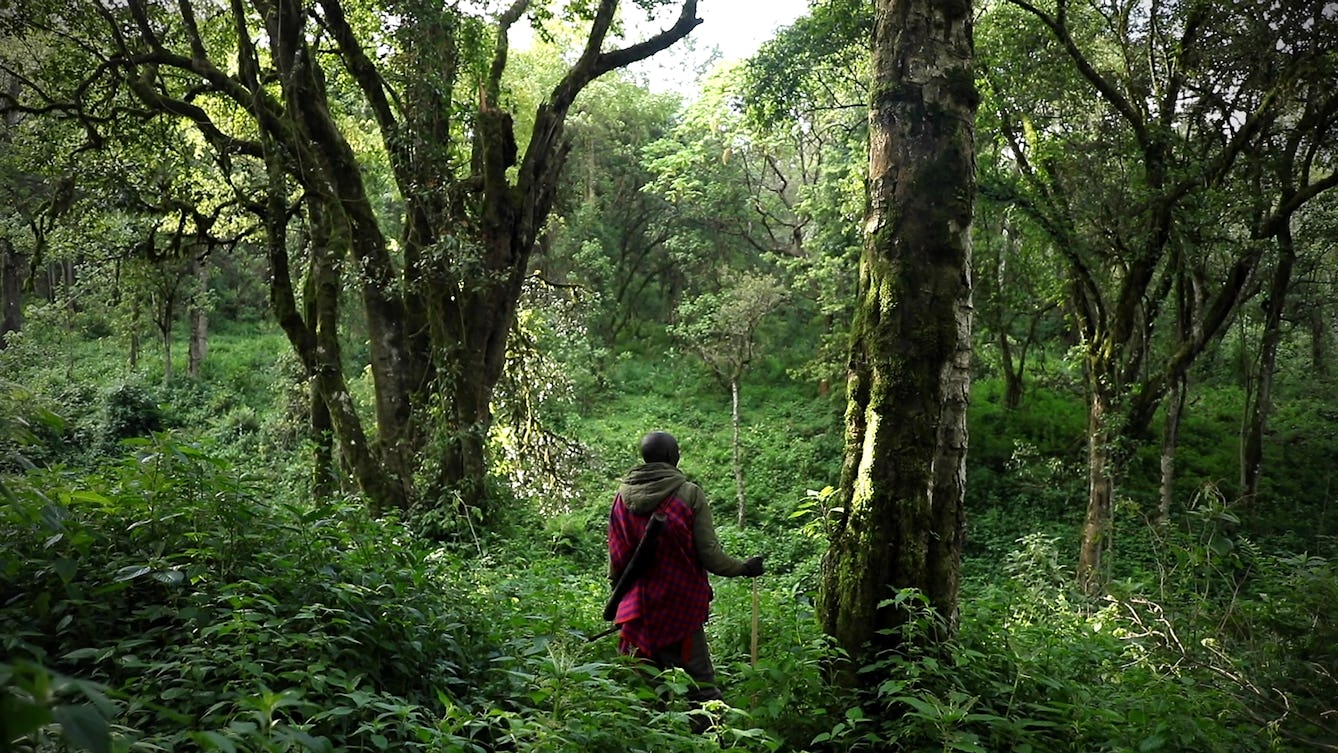
- Mau Forest Hub (Kenya): anchored by Ogiek Peoples’ Development Program.
- Bannerghatta Hub (India): anchored by Quicksand.
- Arctic Hub (Finland): anchored by Outi Autti (Giellagas Institute, University of Oulu).
- Ban Nong Tao Hub (Thailand): anchored by Lazy Man Coffee, founded by Siwakorn Odochao.
- Sámi Hub (Sápmi): anchored by Jenni Laiti (Sápmi-based).
The Hub leads
Victoria Pratt
Victoria is a multi-award-winning artist and co-founder and Creative Director of Invisible Flock, creating work through developing and leading research processes and long-term collaborations, often taking the form of installations where human and planetary health meet.
Babitha George and Romit Raj
Babitha and Romit are from Quicksand, an interdisciplinary design research and innovation practice based in India, driven by an approach that seeks to build on a rich, evocative understanding of people and environments through participatory research and co-design.
Daniel Kobei
Daniel is the founder and Executive Director of Ogiek Peoples’ Development Program, a non-governmental organisation based in Kenya that promotes the human and land rights of the Indigenous Ogiek.
Jenni Laiti
Jenni is a Sámi artivist, Duojár (master of traditional Sámi crafts), Indigenous rights activist and climate justice advocate.
Outi Autti
Outi is a sociologist and researcher at Giellagas Institute, University of Oulu. Outi specialises in multidisciplinary research in the fields of environmental sociology, migration studies, rural education and human geography.
Samrawit Gougsa
Samrawit is Head of Communications at Minority Rights Group International (MRG). MRG is an NGO focused on advocacy and human rights for ethnic, religious and linguistic minorities, and Indigenous peoples globally.
Siwakorn Odochao (Swae)
Swae is a Pgak’yau (Karen) farmer specialist in rotational farming, founder of Lazy Man Coffee and facilitator, from Ban Nong Tao, Northern Thailand.
Sylvia Kokunda
Sylvia is the founder and Chief Executive Officer of Action for Batwa Empowerment Group in Uganda, a Batwa-led NGO supporting the Indigenous Batwa community.
Follow LBE's progress: