
- Article
- Article
Thomas Sankara and the stomachs that made themselves heard
Thomas Sankara’s vision to transform farming and health in Burkina Faso turned to dust with his assassination. Perry Blankson highlights the considerable achievements of Sankara’s brief span in power.

- Article
- Article
Love, longing and tea from the polski sklep
For people of Polish origin in the UK, herbal tea is closely tied to health and shared history. Kasia Tomasiewicz explores her changing relationship to these tea-related cultural habits.
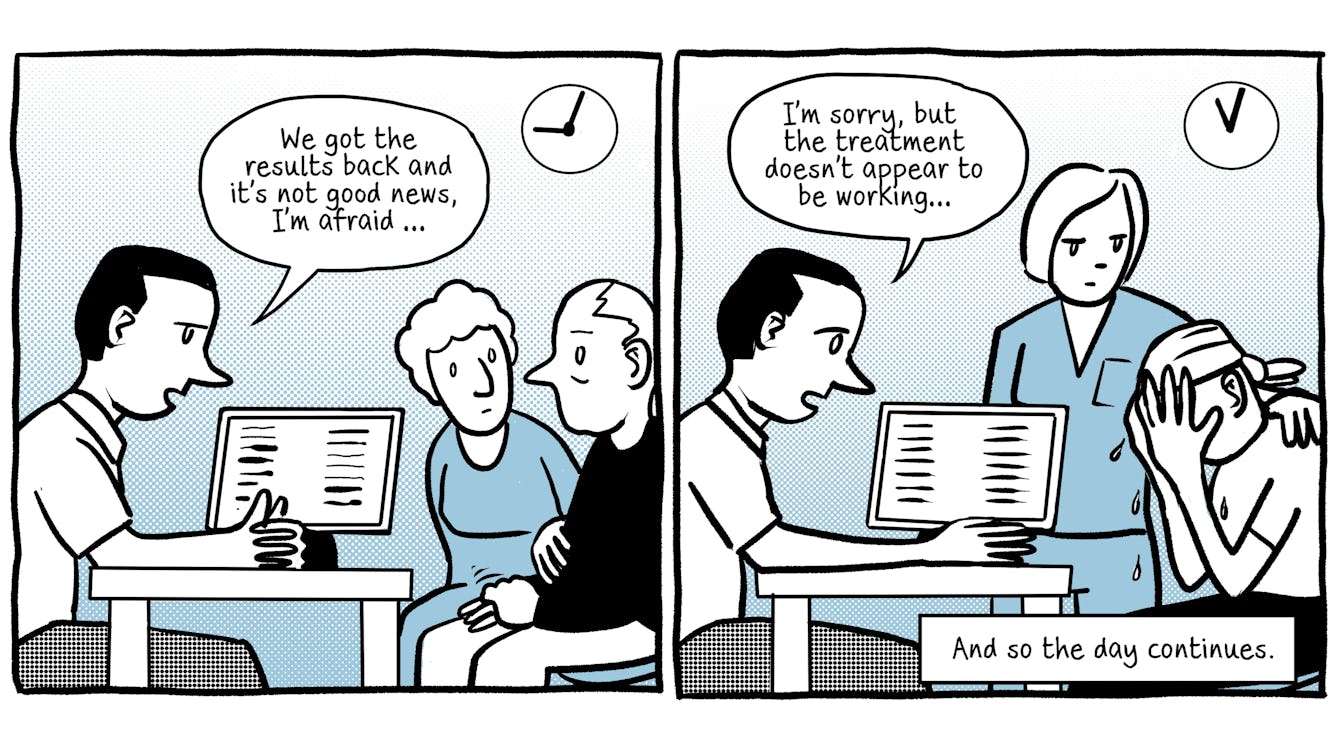
- Comic
- Comic
Clinical detachment
The reality of emotional blunting and slow burn trauma.
- Article
- Article
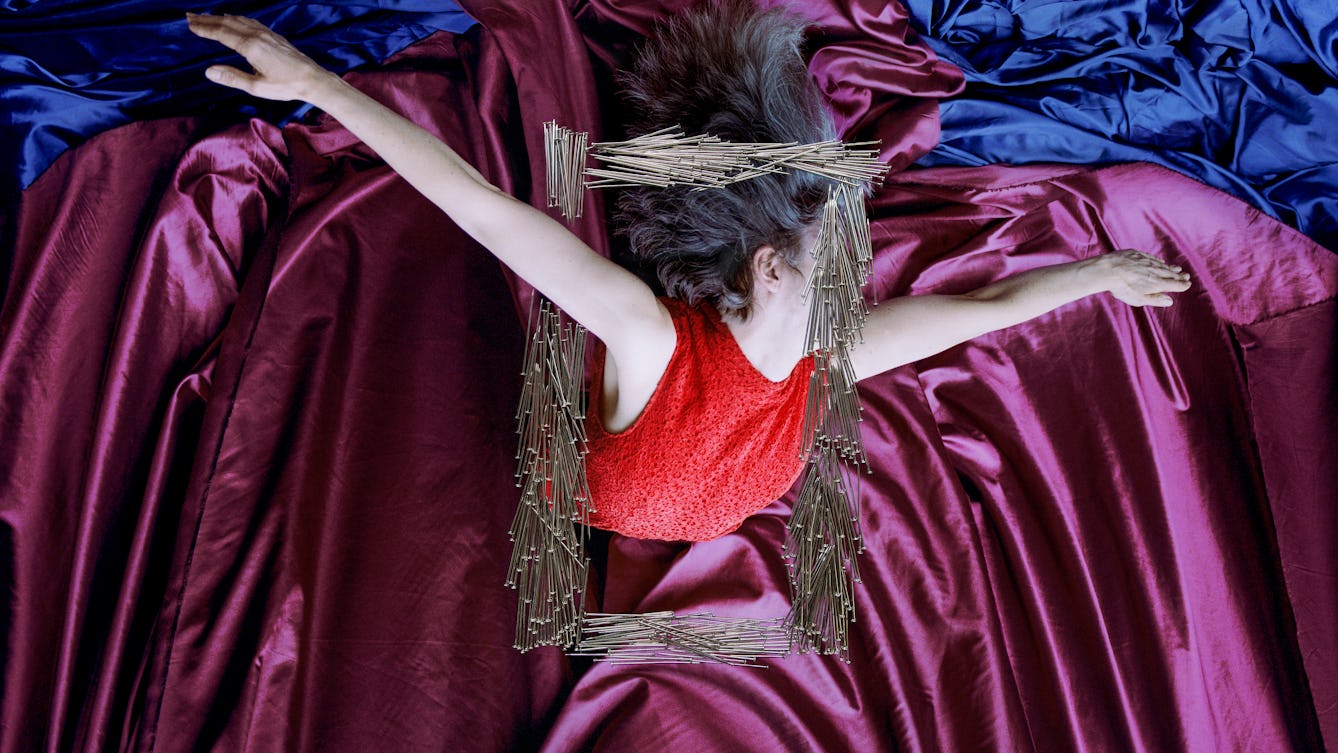
How can we prevent violence?
Evidence shows that strategies to prevent some types of violence can be very effective, while other, less well-acknowledged forms continue unabated. But hope can still guide us into a more peaceful future.
- Article
- Article
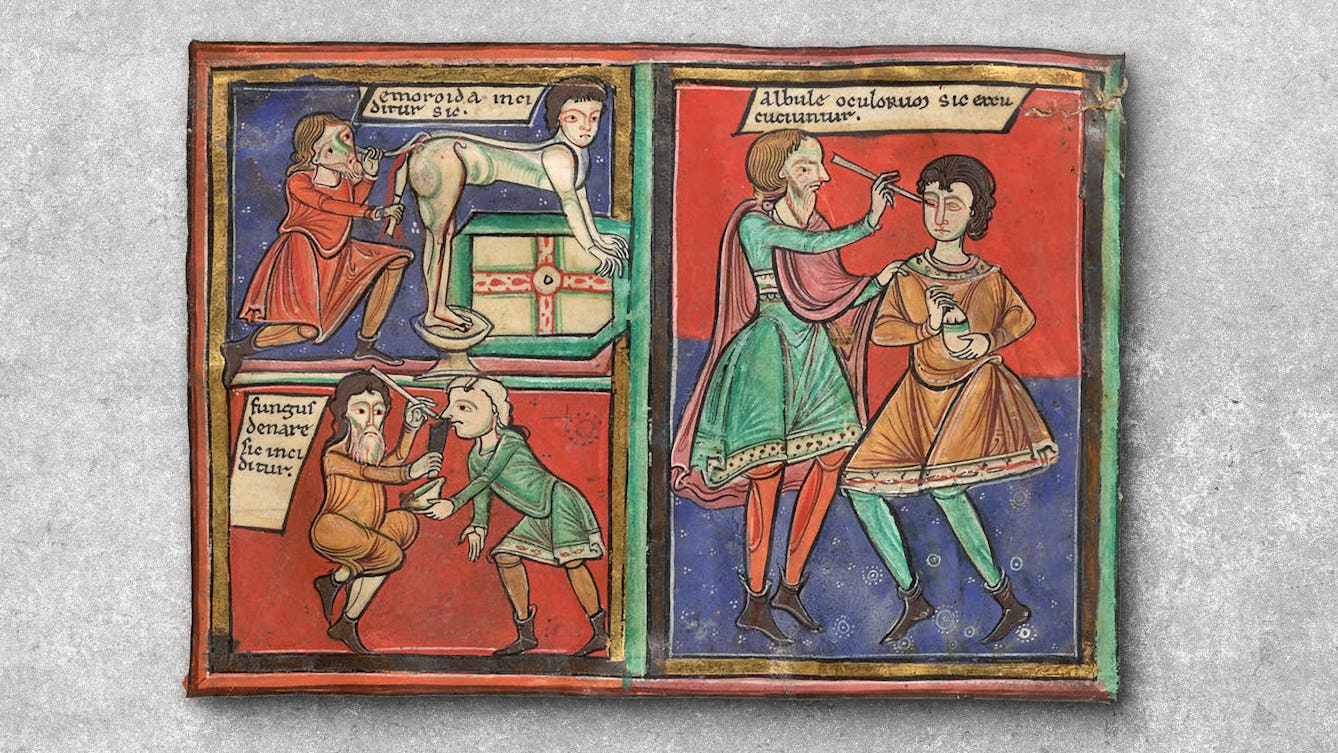
Revelations of blindness in the Middle Ages
Medieval texts, from Islamic medical treatises to Christian books of miracles, reveal surprisingly varied and complex experiences of blindness. But when medieval scholar Jude Seal experienced visual impairment themselves, they gained an even deeper understanding of the lives they were studying.
- Article
- Article
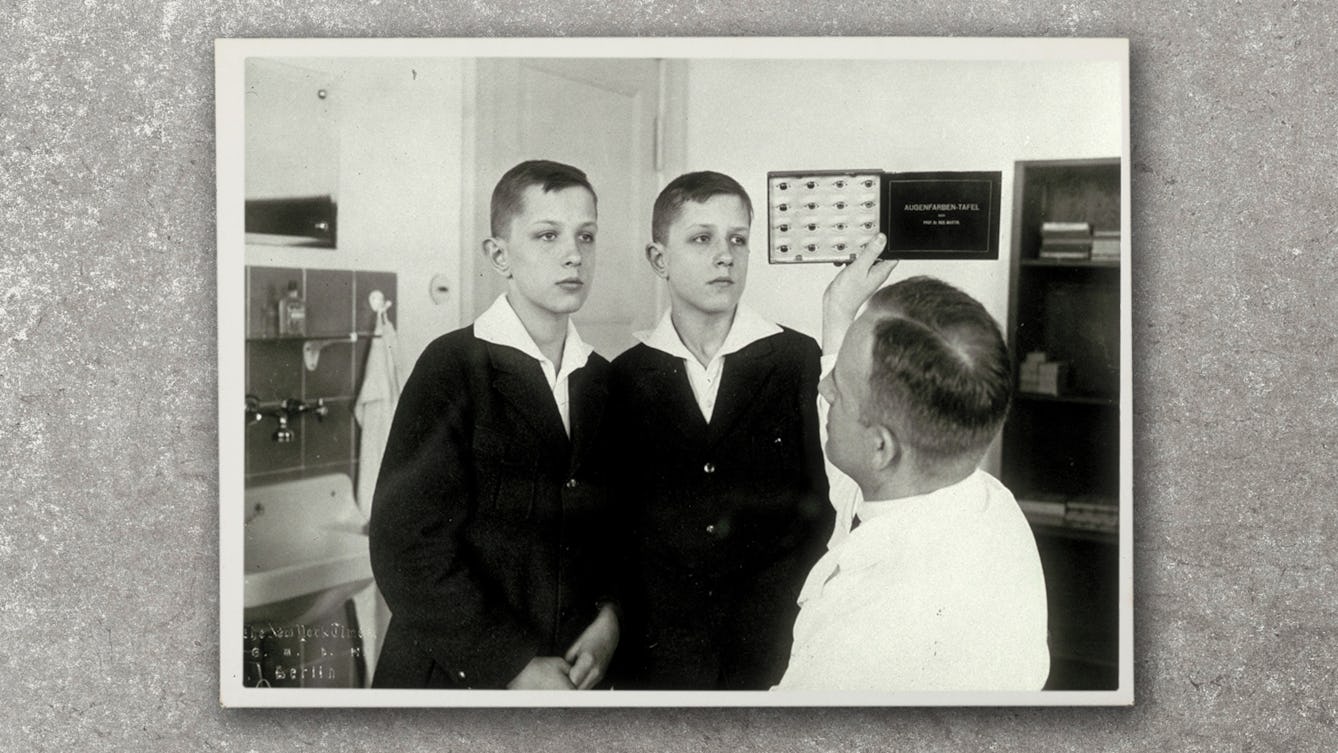
A history of twins in science
For thousands of years, twins have been a source of fascination in mythology, religion and the arts. Since the 19th century, they have also been the subject of scientific study and experimentation.
- Comic
- Comic
Empathy
Double standards – part of being human.
- Article
- Article
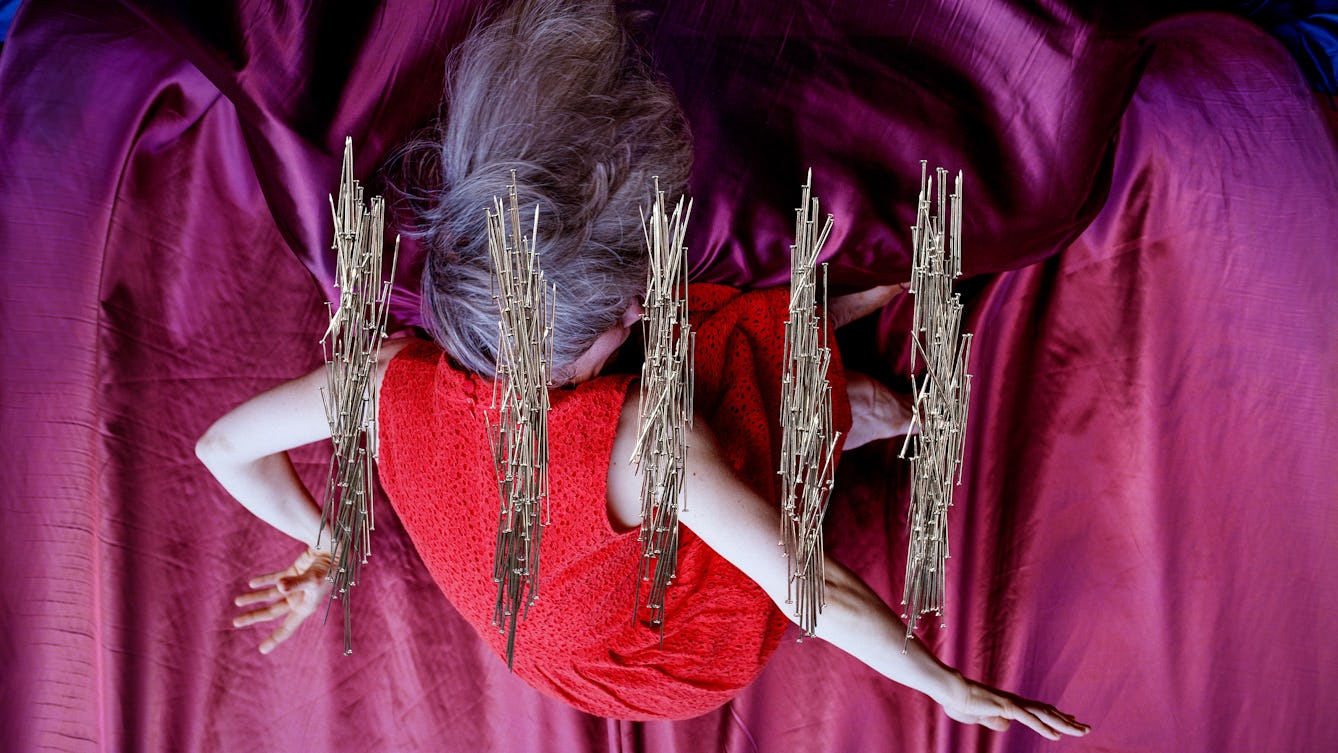
What is structural violence?
Structural violence is seemingly invisible. But its tentacles have invaded every part of many people’s lives, thoughts, experiences and expectations, shaping them in ways they don’t even realise.
- Article
- Article
Why the truth is better than a happy ending
Caroline Butterwick often uses lived experience to inform her journalism, but she’s discovered a tension between the truth and stories that will sell.
- Book extract
- Book extract
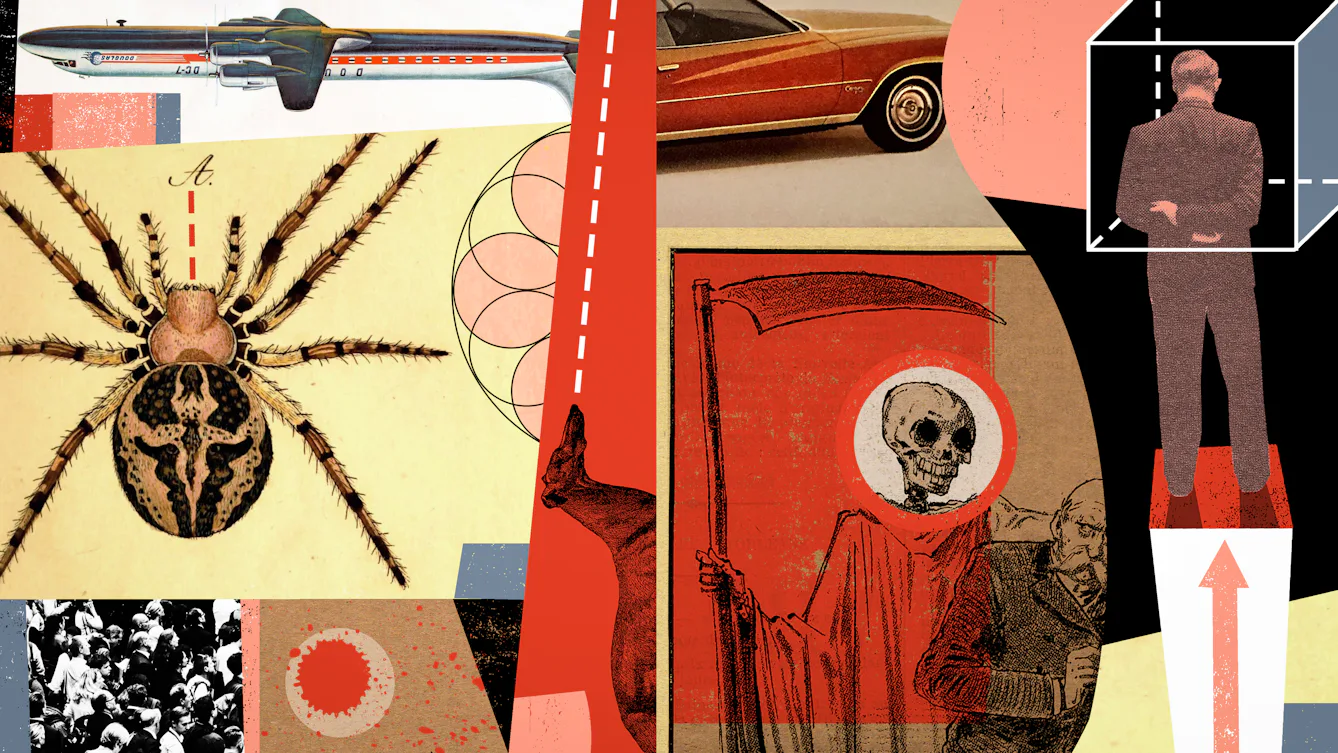
Tracing the roots of our fears and fixations
Kate Summerscale explores the history of our anxieties and compulsions, and the new phobias and manias that are always emerging.
- Comic
- Comic
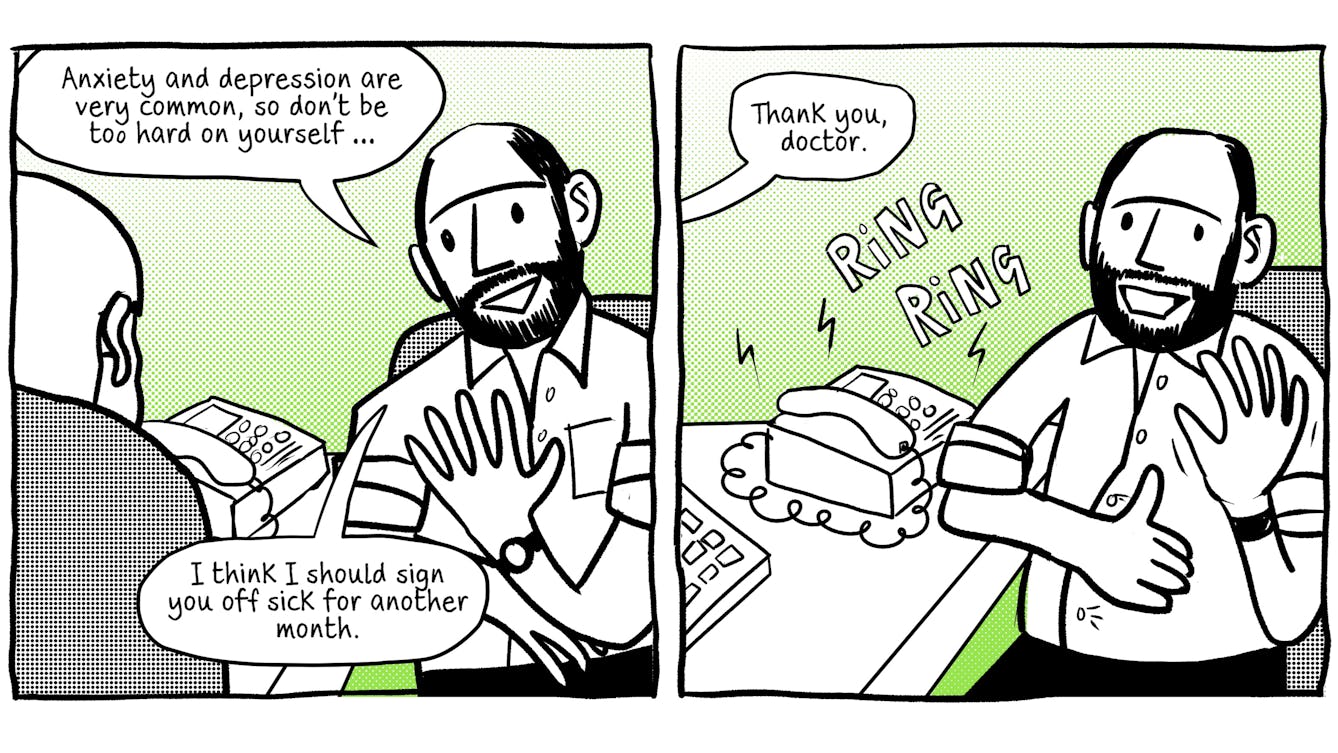
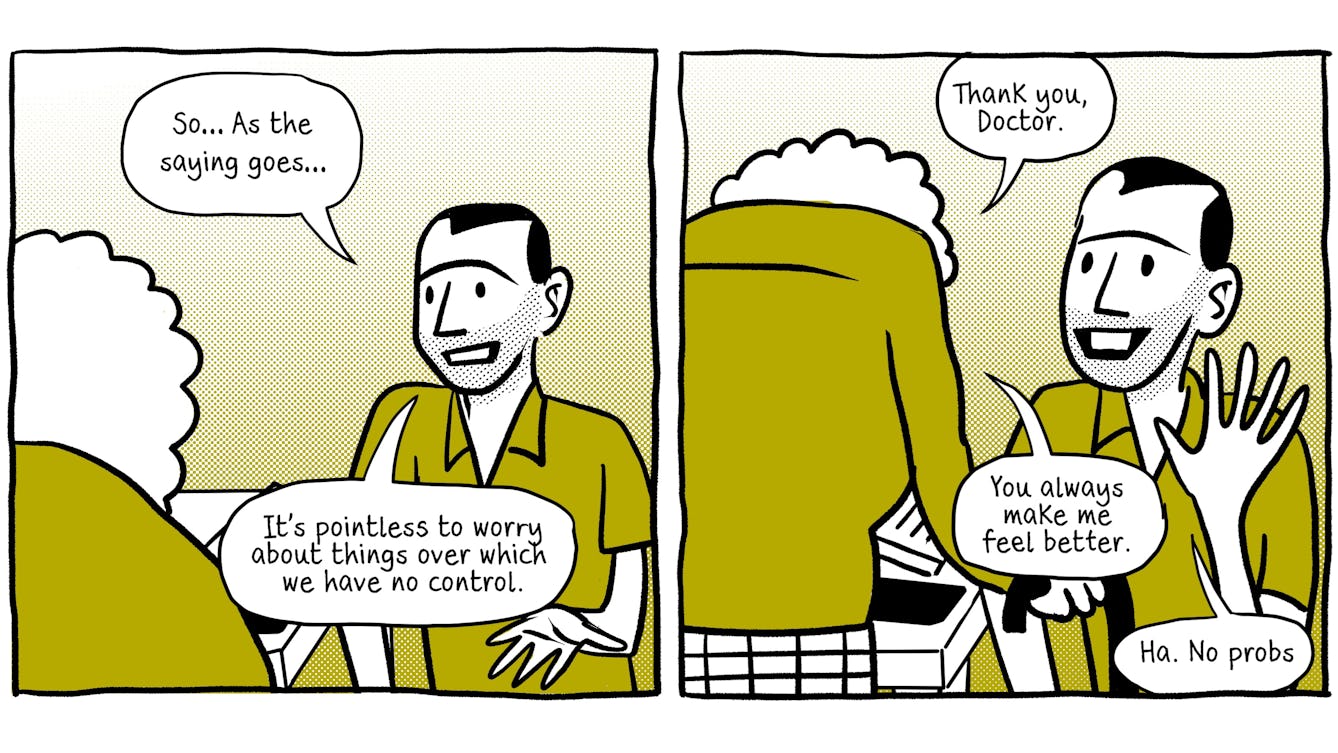
No worries
Some advice is easier to give, than to live.
- Article
- Article
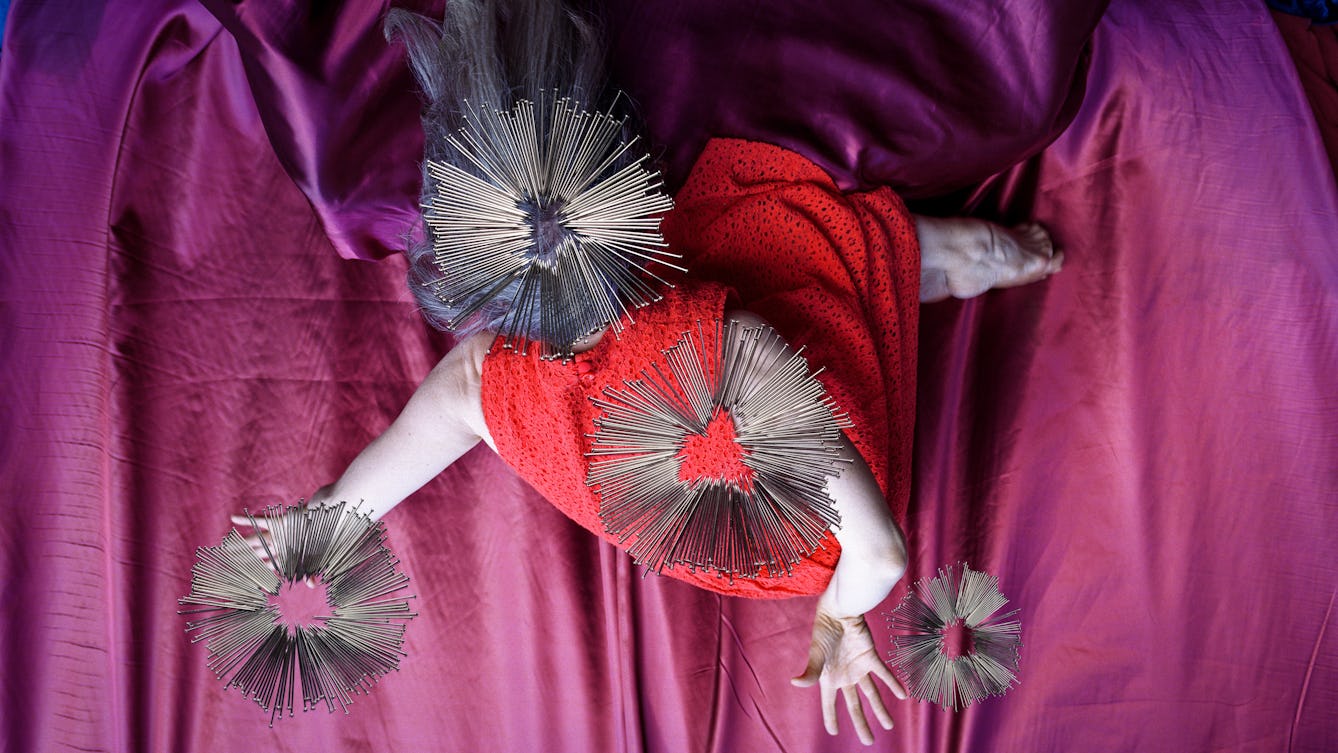
Why do victims become violent?
Witnessing both overt violence and coercive control can cause invisible harm to children. But preventing them from repeating that behaviour in the future remains a challenge.
- Article
- Article
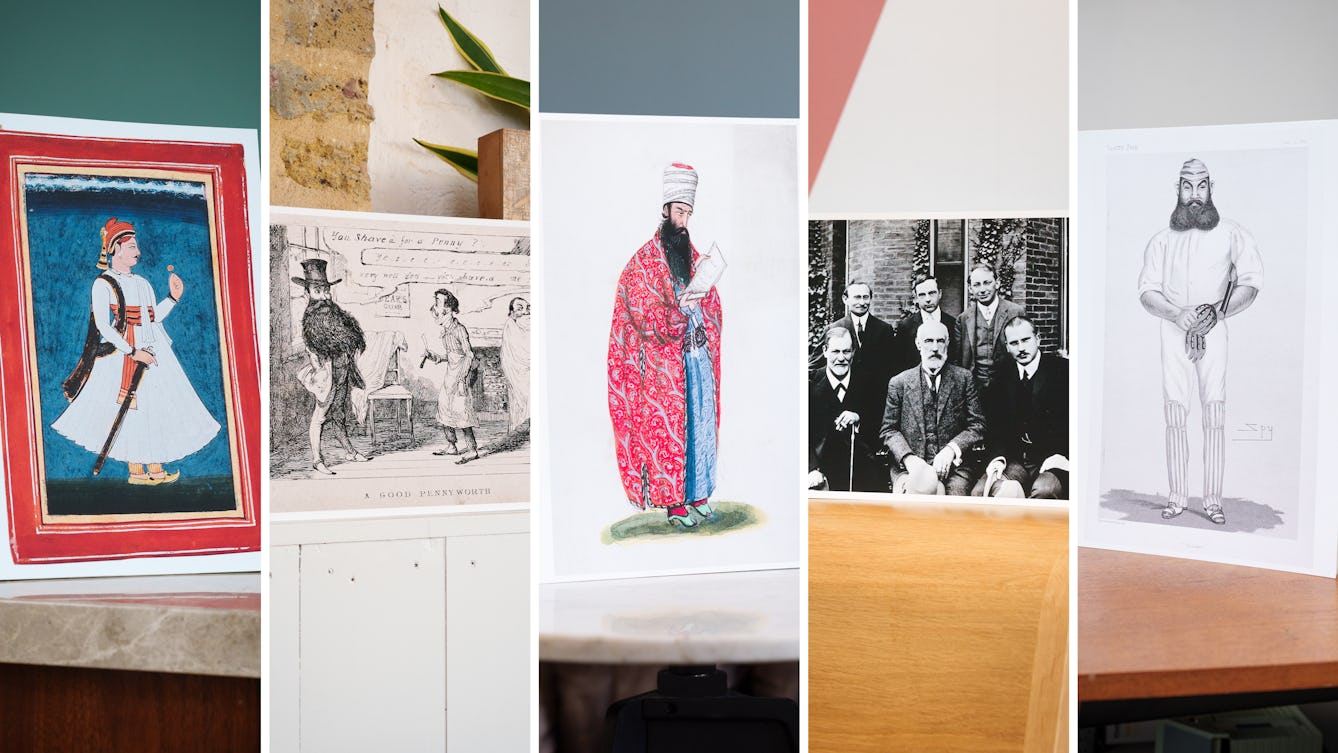
What our facial hair says about us
Five bearded and moustachioed men choose five hirsute archive images to help them reflect on the way facial hair is linked with personality and identity.
- Comic
- Comic
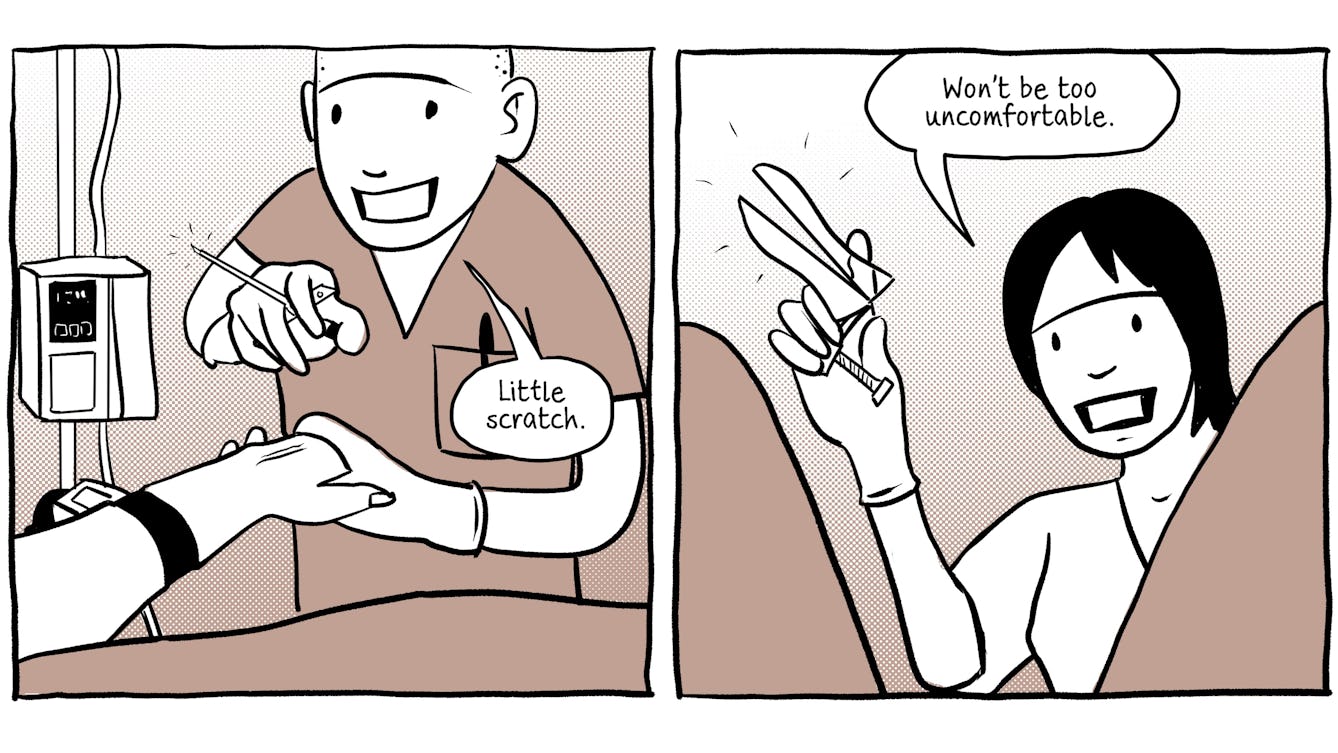
Biggest fibs in healthcare
Exactly what you want to hear?
- Article
- Article
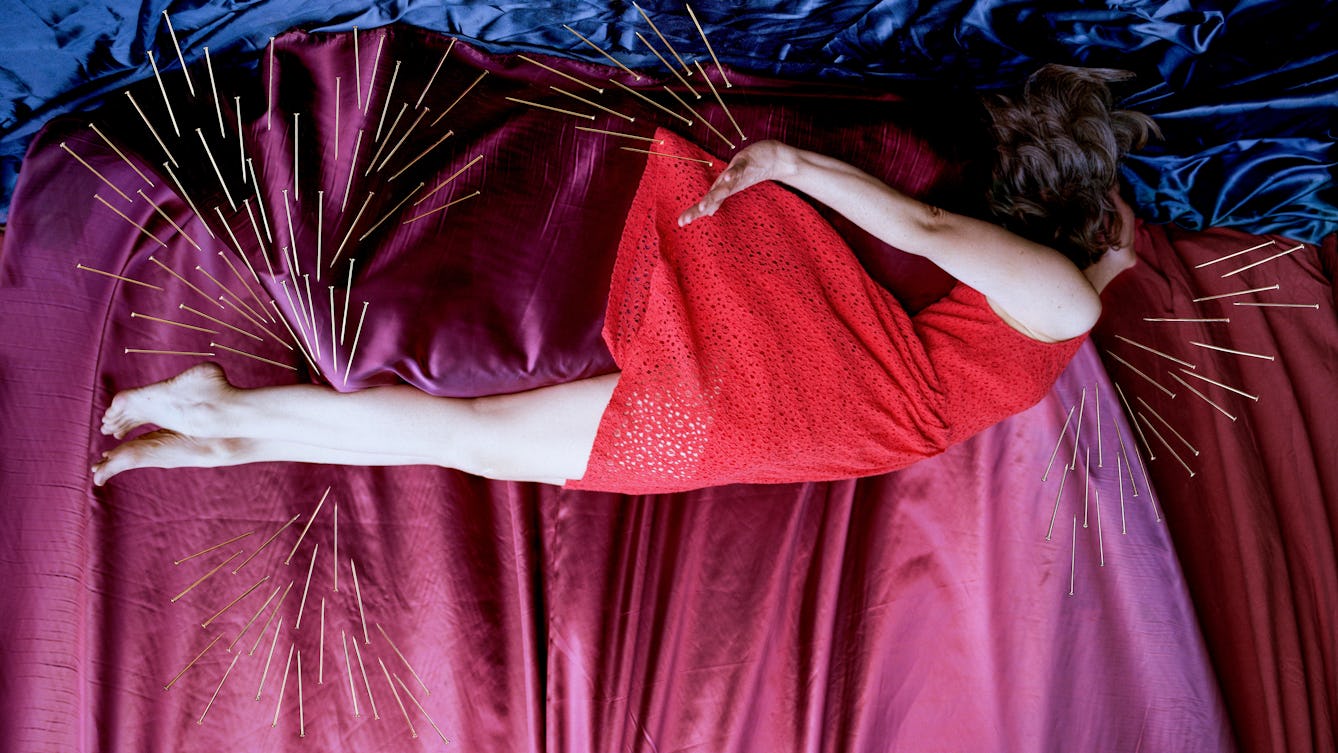
Where does violence come from?
The popular understanding of certain ideas in psychology have become so embedded that it’s easy to blame the parents when a young person commits a crime. Laura Bui looks to the past for evidence.
- Long read
- Long read
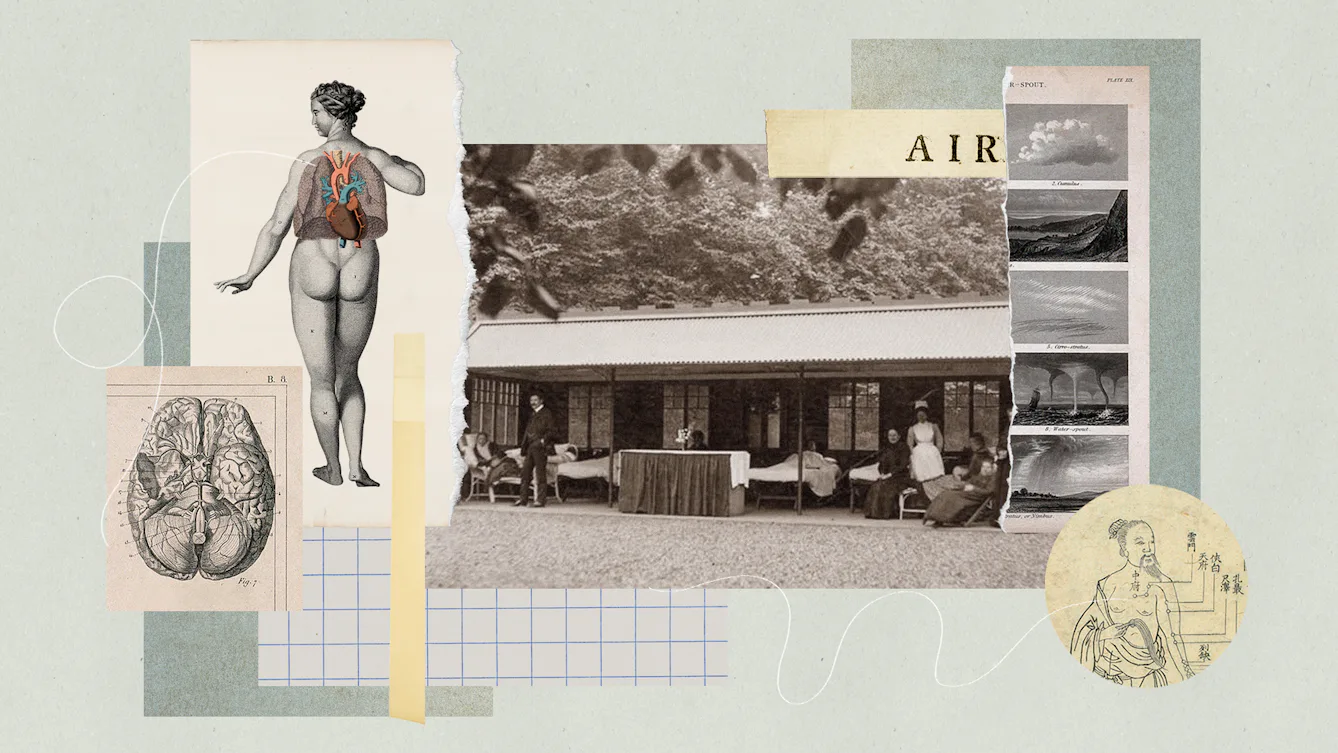
The ambivalence of air
Daisy Lafarge investigates the effects of air quality and pressure on body and mind, exploring air as cure, but one with contradictions.
- Comic
- Comic
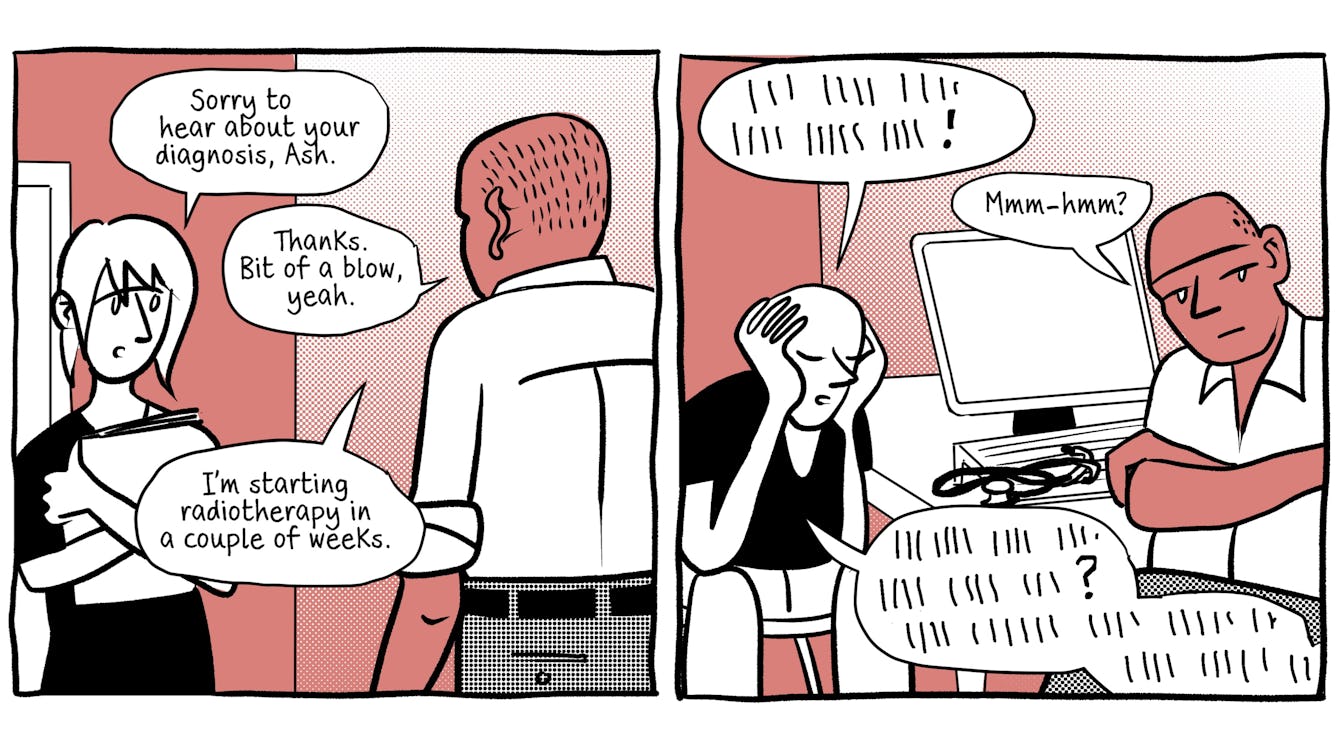
FINE!
There’s life on both sides of the desk.
- Article
- Article
Are people born violent?
Laura Bui explores how the nature vs nurture debate applies to those who commit homicide.
- Book extract
- Book extract
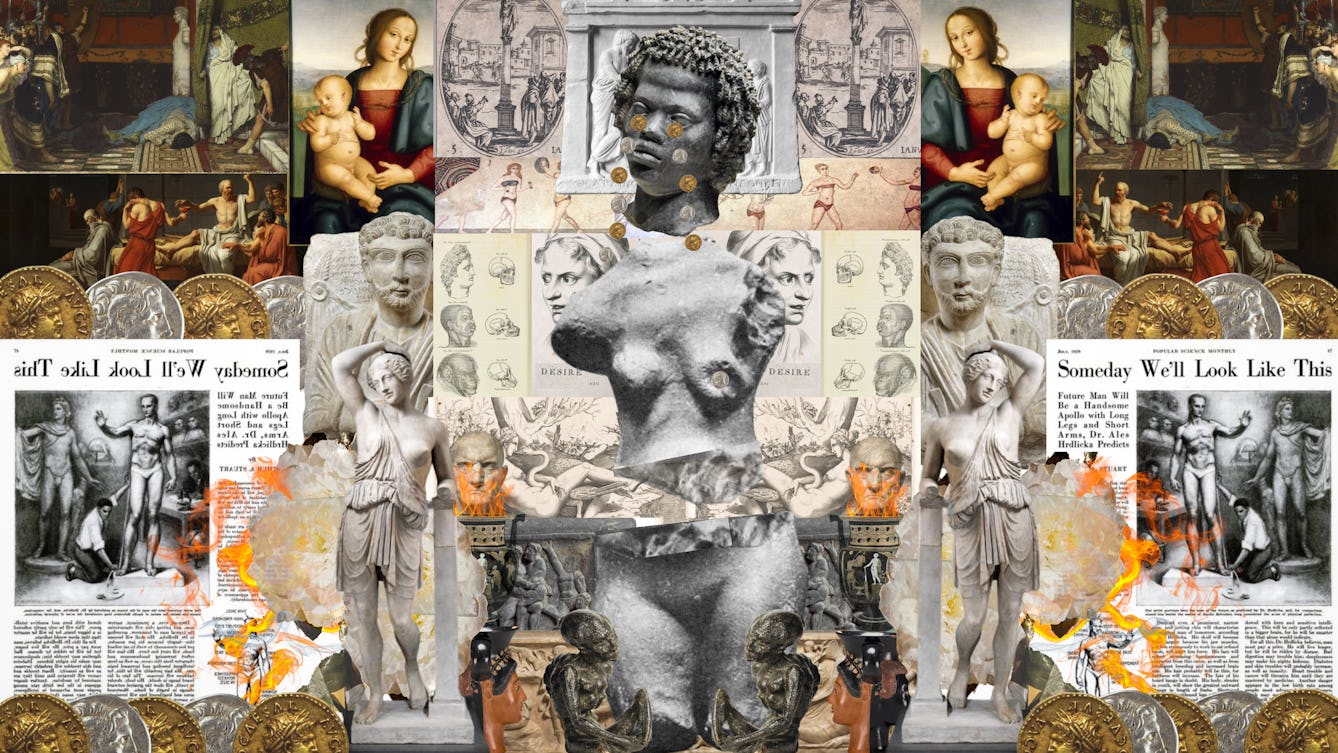
Naked, not nude
Classicist Caroline Vout argues that it’s time to take the dust covers off the Ancient Greeks and Romans, and to encounter their bodies not nude, but naked.
- Comic
- Comic
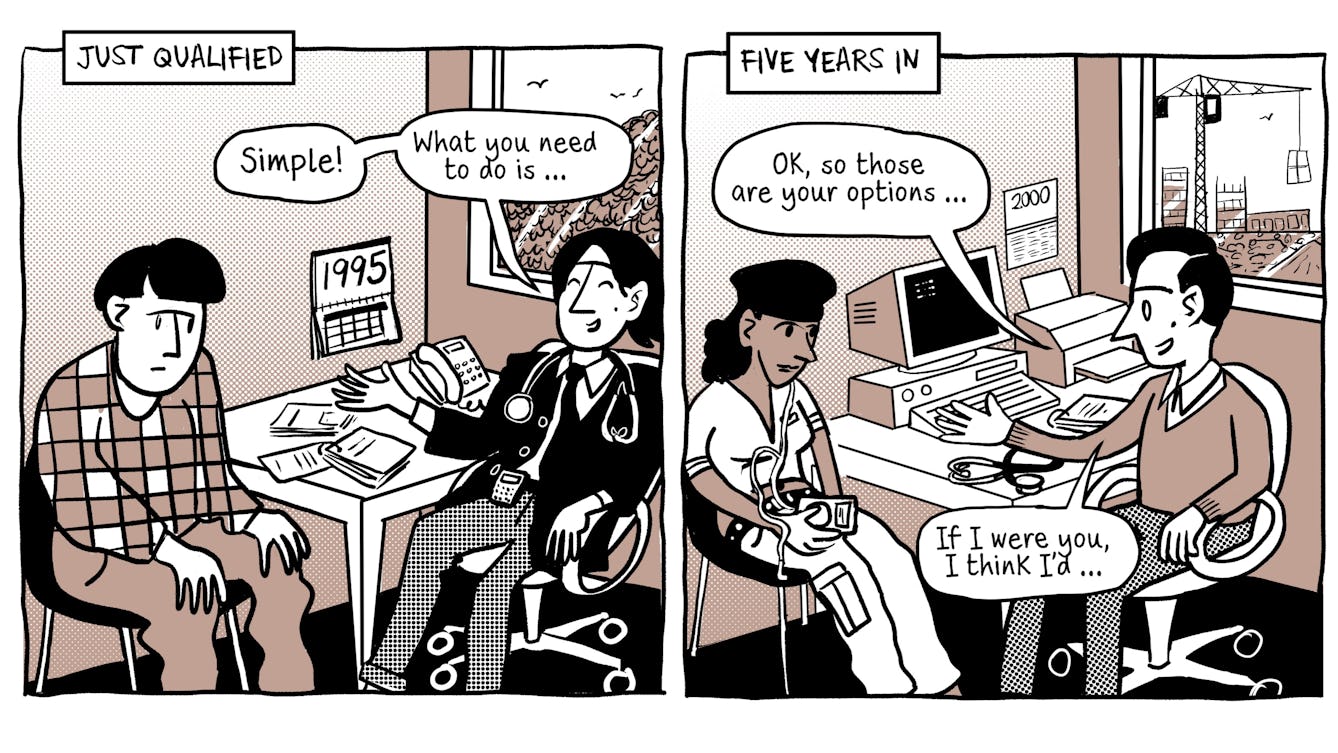
Changing advice
“The foole doth thinke he is wise, but the wise man knowes himselfe to be a foole.”
- Article
- Article
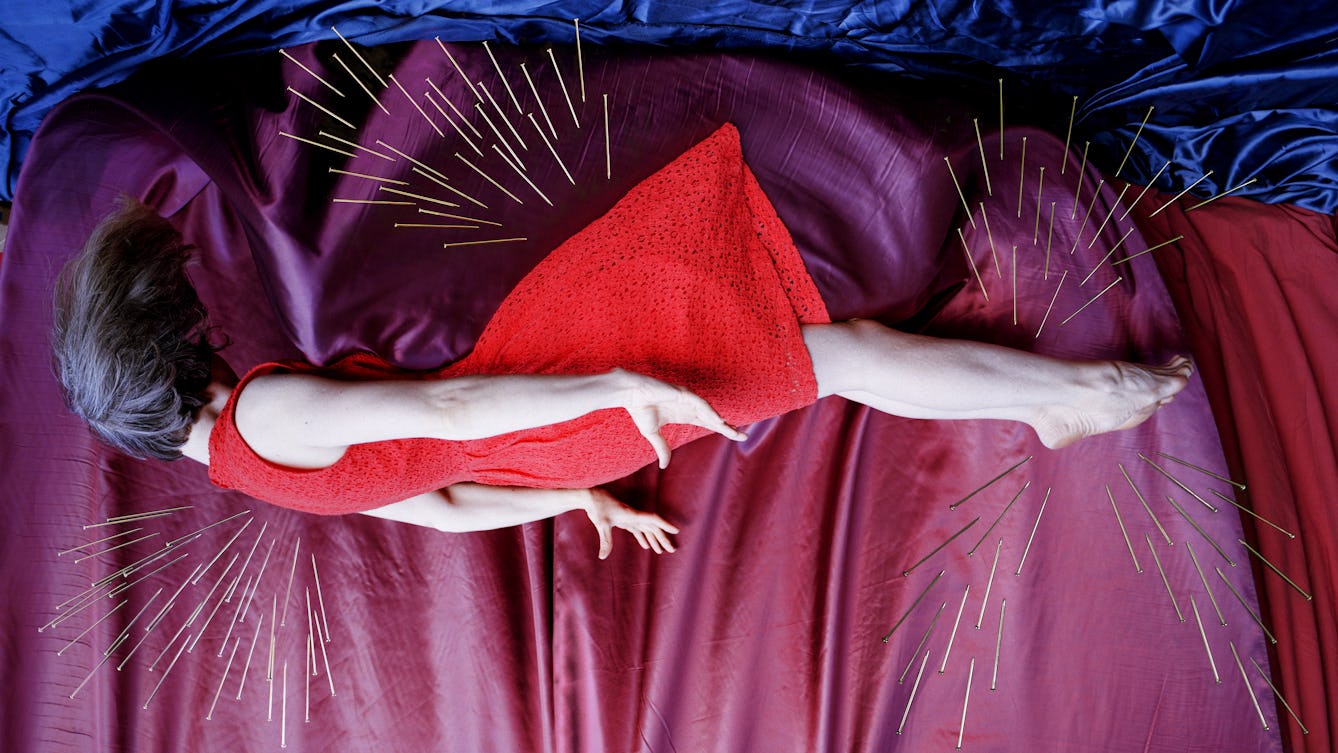
What is violence?
Criminologist Laura Bui explores her early understanding of violence and outlines its definition and wider consequences.

- Article
- Article
What is air, and how do we know?
Watching bubbles in fermenting beer led 18th-century scientist Joseph Priestley to invent sparkling water – and to discover that different gases make up the air we breathe.
- In pictures
- In pictures
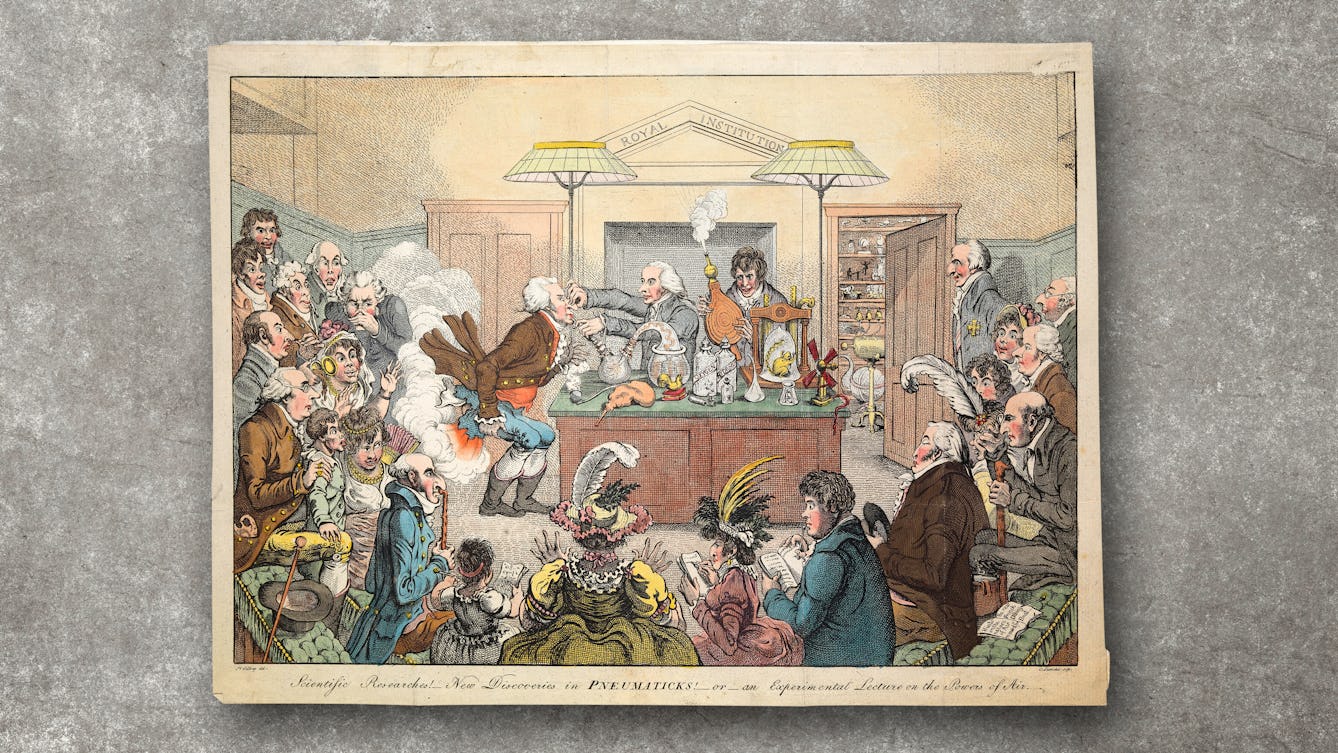
Laughing gas and the scientific pursuit of the sublime
Part science lecture. part public spectacle, thanks to chemist Humphry Davy the 19th-century craze for inhaling nitrous oxide rapidly spread from the science laboratory to fashionable salons and homes of the day, and onto the popular stage.
- In pictures
- In pictures
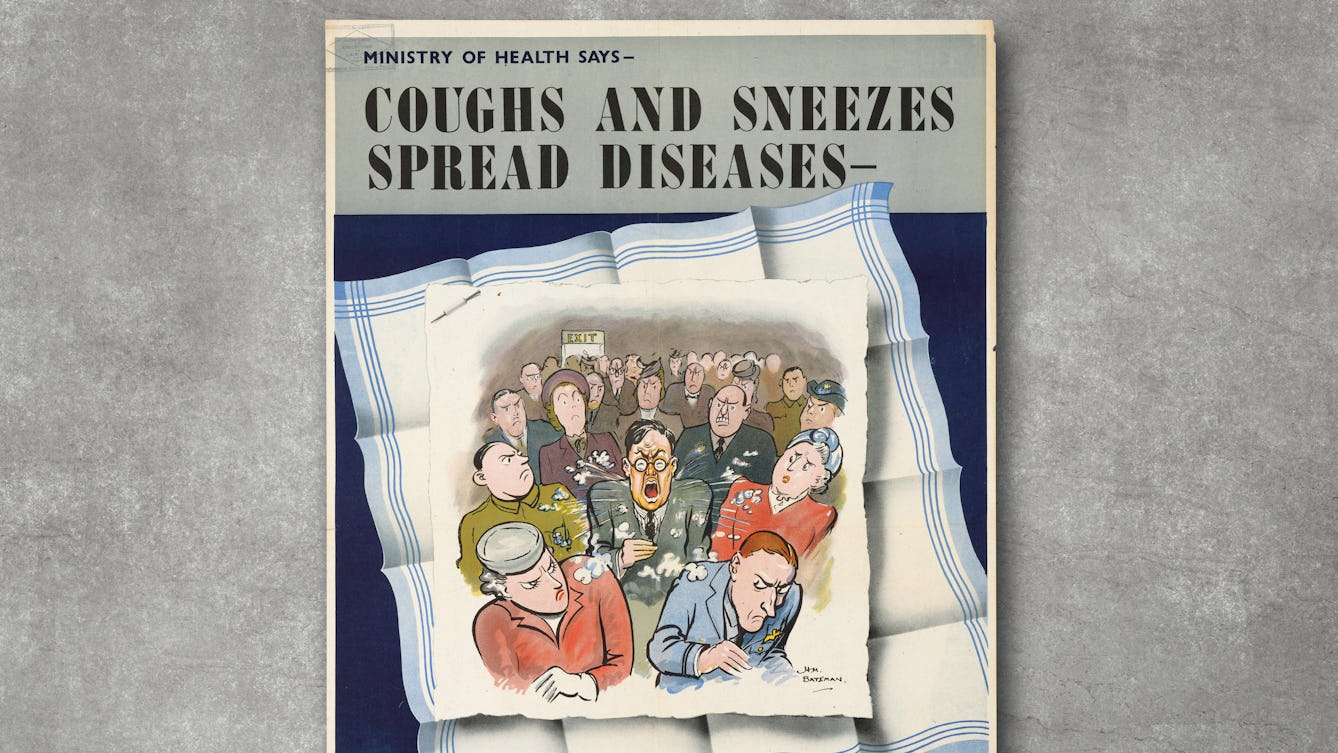
Anxiety in the air
Our centuries-old fear of disease-carrying “bad air” might have been modified by scientific advances, but it’s still liable to re-emerge under the right circumstances, as Kirsten Nicholson explains.
- Article
- Article
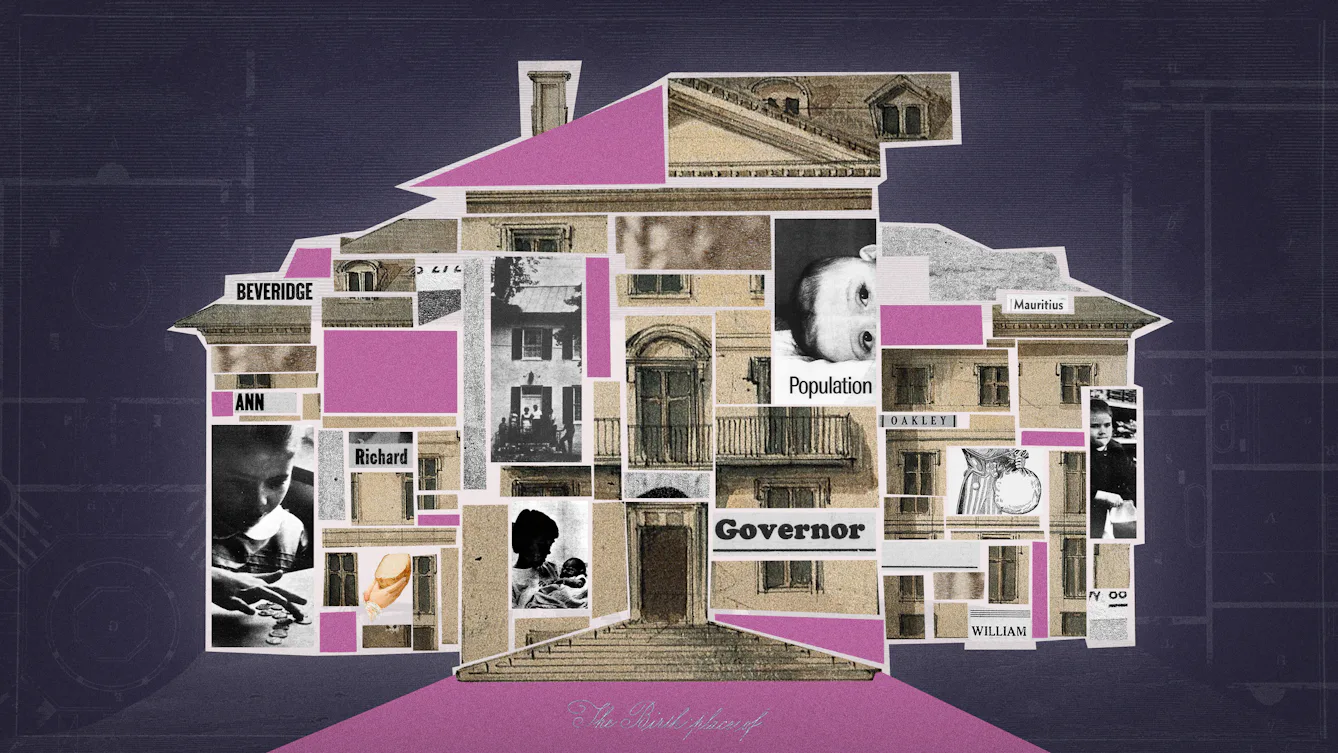
Eugenics and the welfare state
Indy Bhullar explores the ideas of William Beveridge and Richard Titmuss, who were strongly influenced by eugenic thinking, and yet championed the idea of the welfare state.