Pregnancy and childbirth are life-changing events. But even with the best medical care, they are not without risk. For Medieval women, childbirth was even more precarious, so they relied on more than the expertise of the midwife to deliver mother and newborn safely.
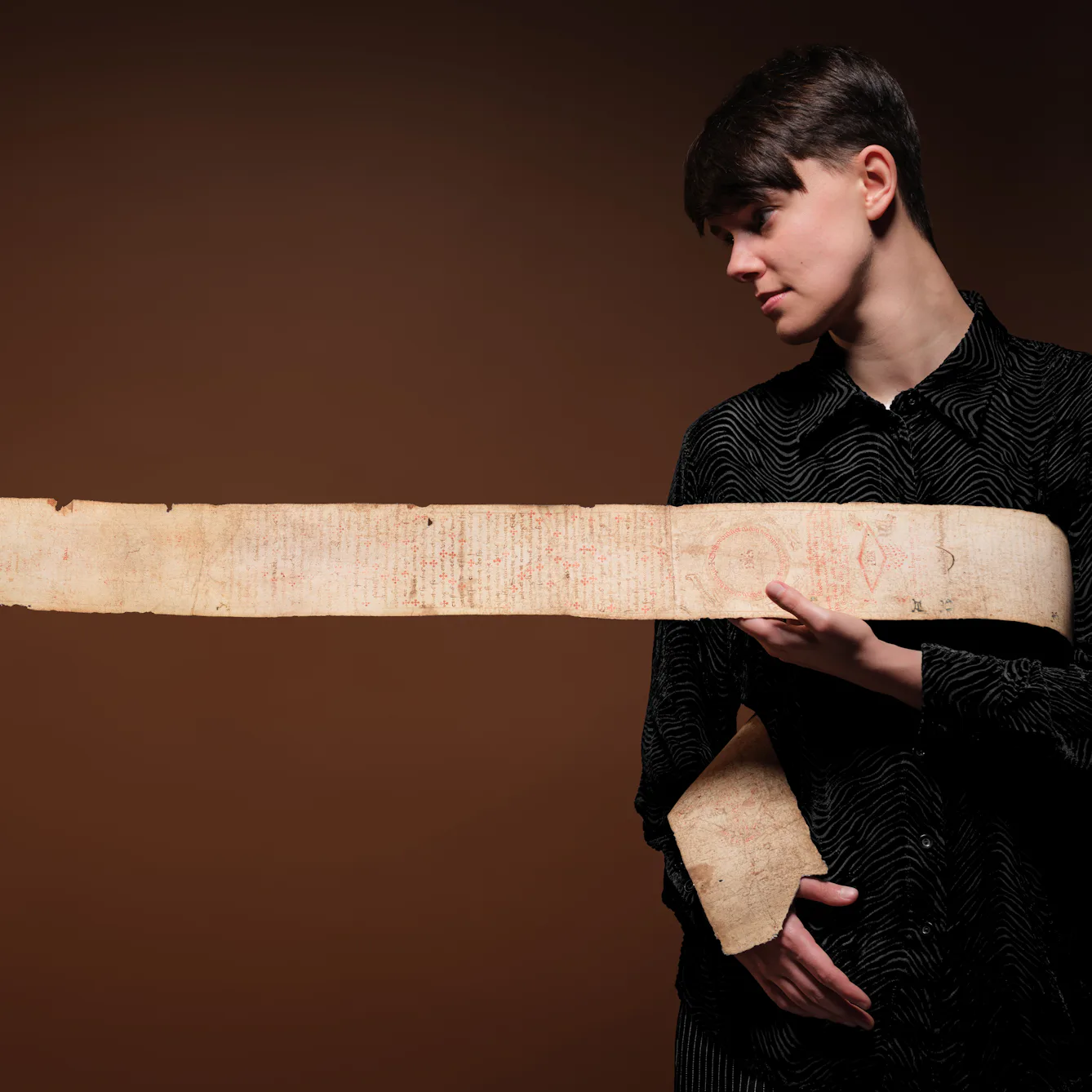
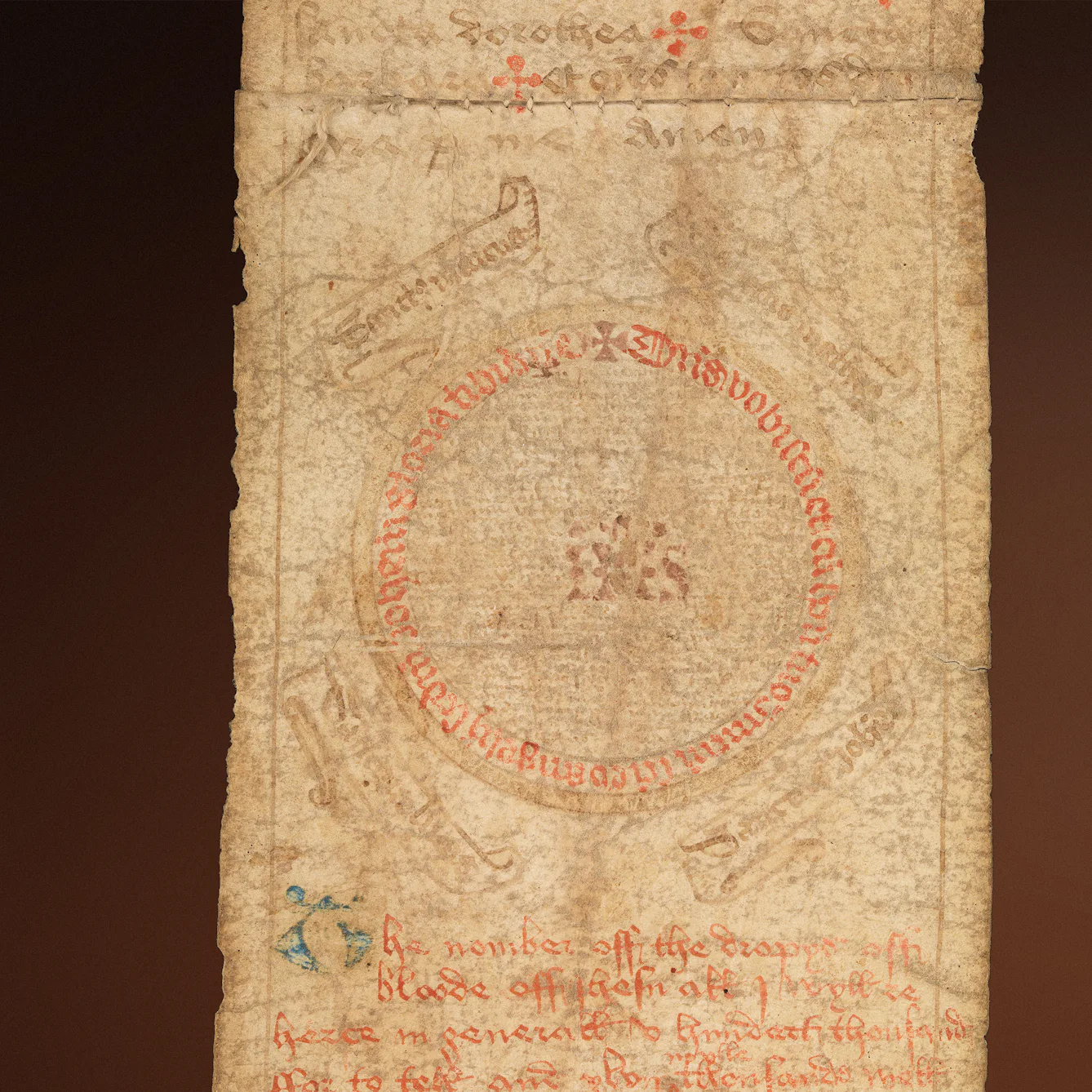
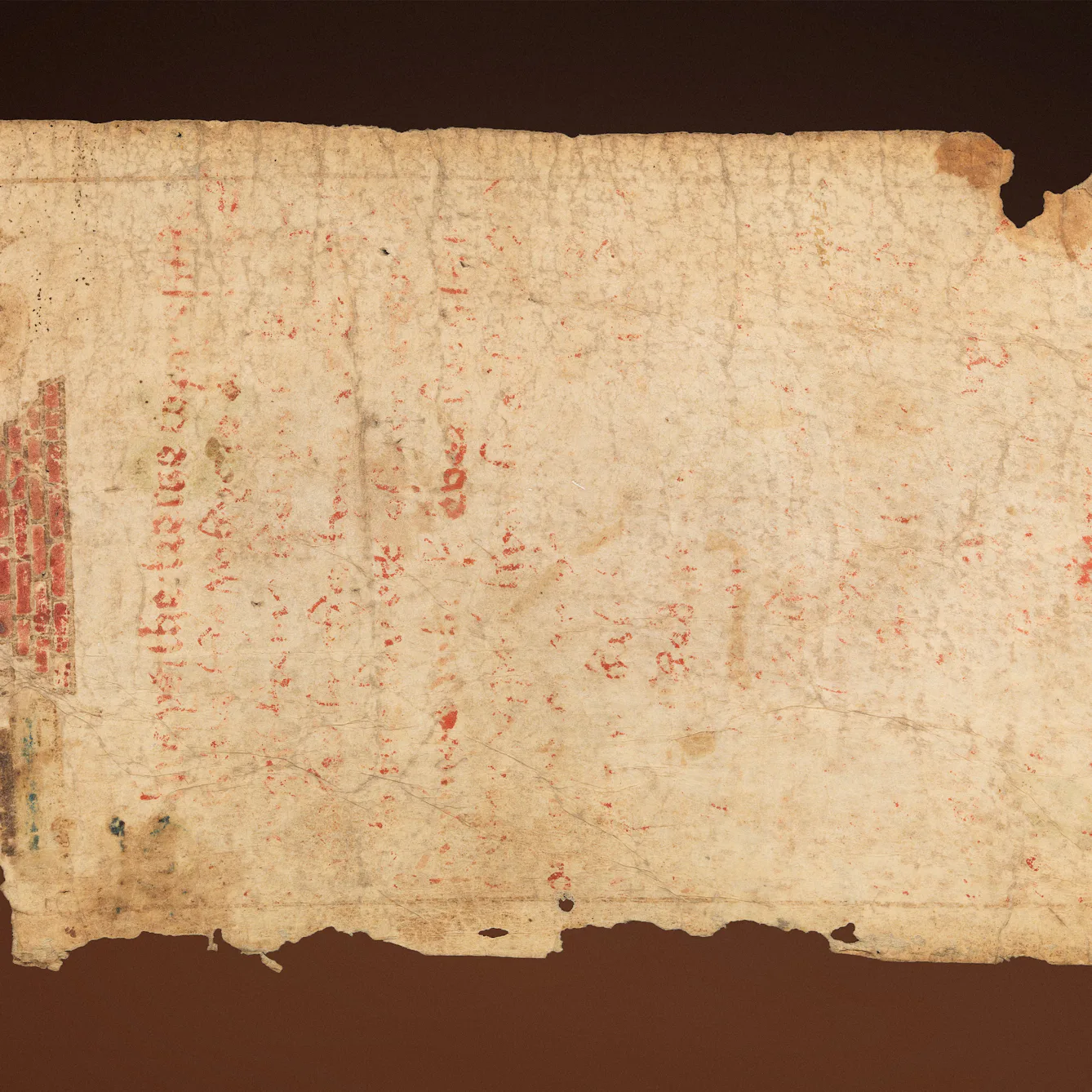
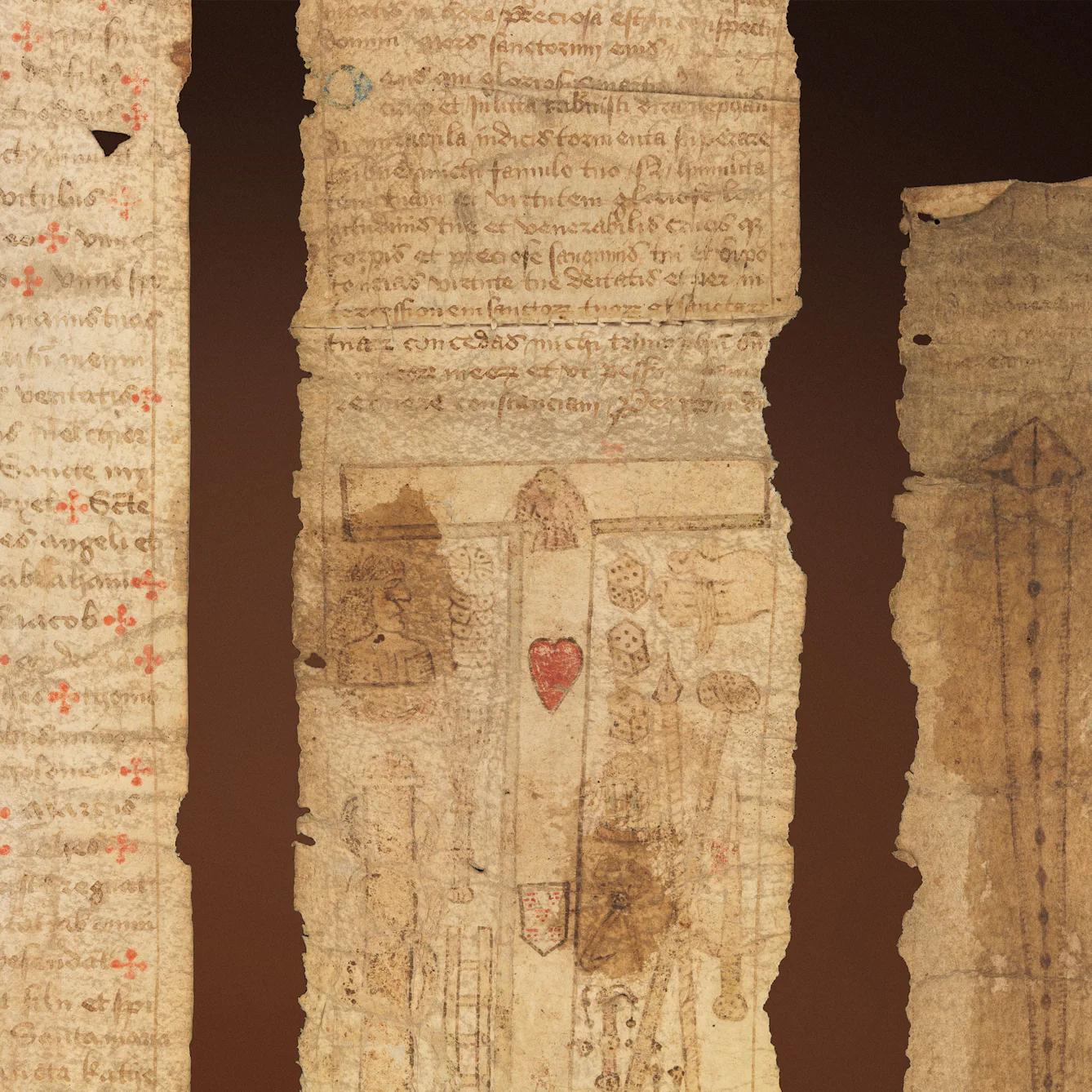
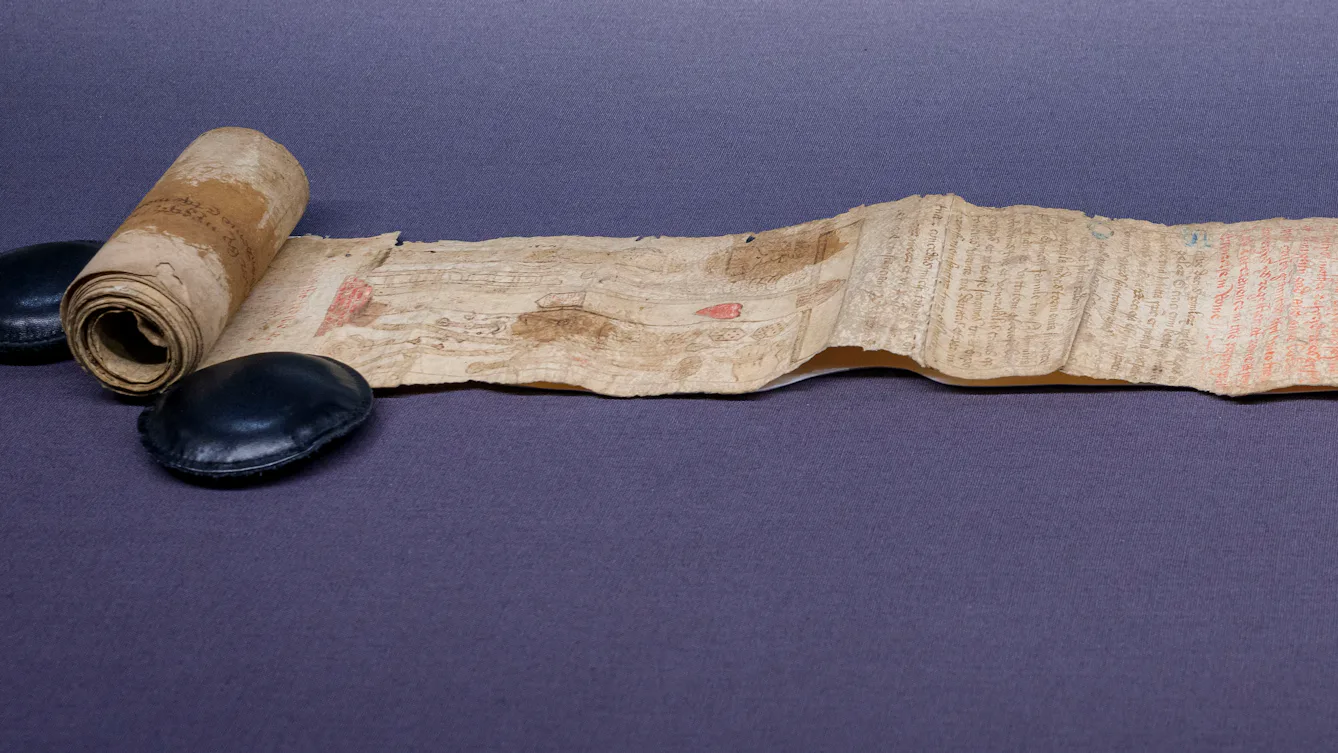
Wellcome MS.362(view in catalogue) is a 500-year-old medieval birth scroll, an example of a textual amulet that was used for divine protection during childbirth. This remarkable 3-metre-long, ribbon of rolled parchment has survived centuries of handling and physical manipulation in rituals of prayer and healing, becoming the focus generations of intense emotions, from hope and fear to sorrow or joy.
In this series of articles, 21st-century people encounter this fragile link to the past and found that it still had the power to evoke strong feelings.
Read stories from:
- the researcher privileged to handle it for themselves
- the historian who explains that Medieval pregnancy and childbirth risked spiritual as well as physical loss
- the 21st century mother who realised that the birth room could be a battlefield
- the artist whose historical research on infertility led her to the birth scroll
- and the conservator who now protects the protective amulet.