Sultan Tipu, a powerful 18th-century Indian leader, was despised and vilified by the invading British. But who was he? David Jesudason finds himself fascinated by a multifaceted man who has been depicted as everything from scholar to savage. Here he tells some of Tipu’s story, while confronting racist imagery and the destructive impact colonialism continues to have, including on his own life.
Memories of Madras, Sir Charles Lawson. Source: Wellcome Collection. © Wellcome Collection.
1 of 10
When I was growing up in a small market town in England, my Asian parents refused to talk to me about India, as they claimed we were British. My dad was from an Indian family and was born in Singapore, while my mother was Malaysian. Both had been taught at school to put “king and country” first, even though life in Britain was punctuated by racism. Despite my paternal Indian origins, I had no brown role models and Asia was alien to me. The message from my parents, films and TV was clear: India was primitive and conquered easily. But researching an article on the legacy of India pale ale led me to discover Sultan Tipu.
2 of 10
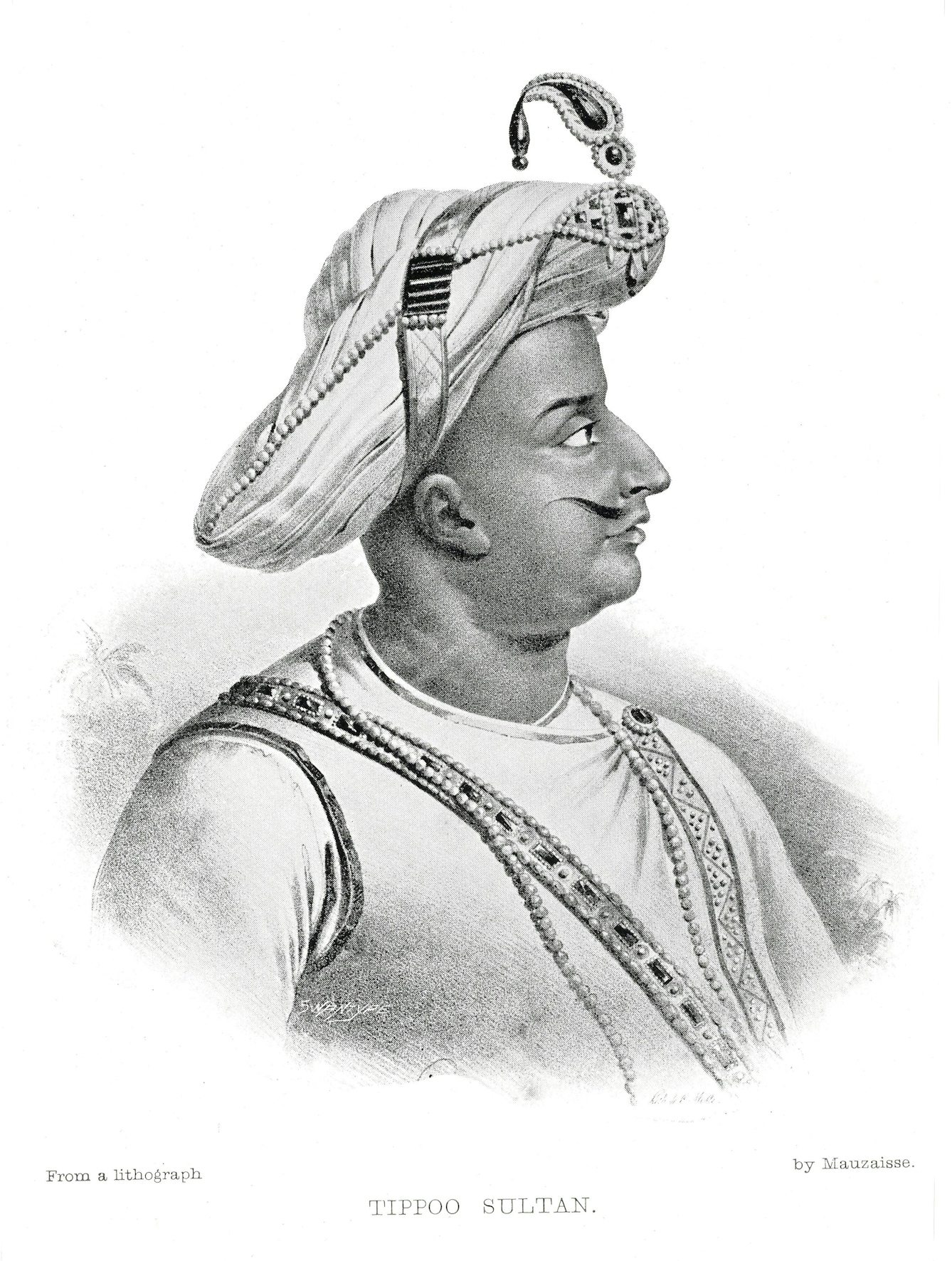
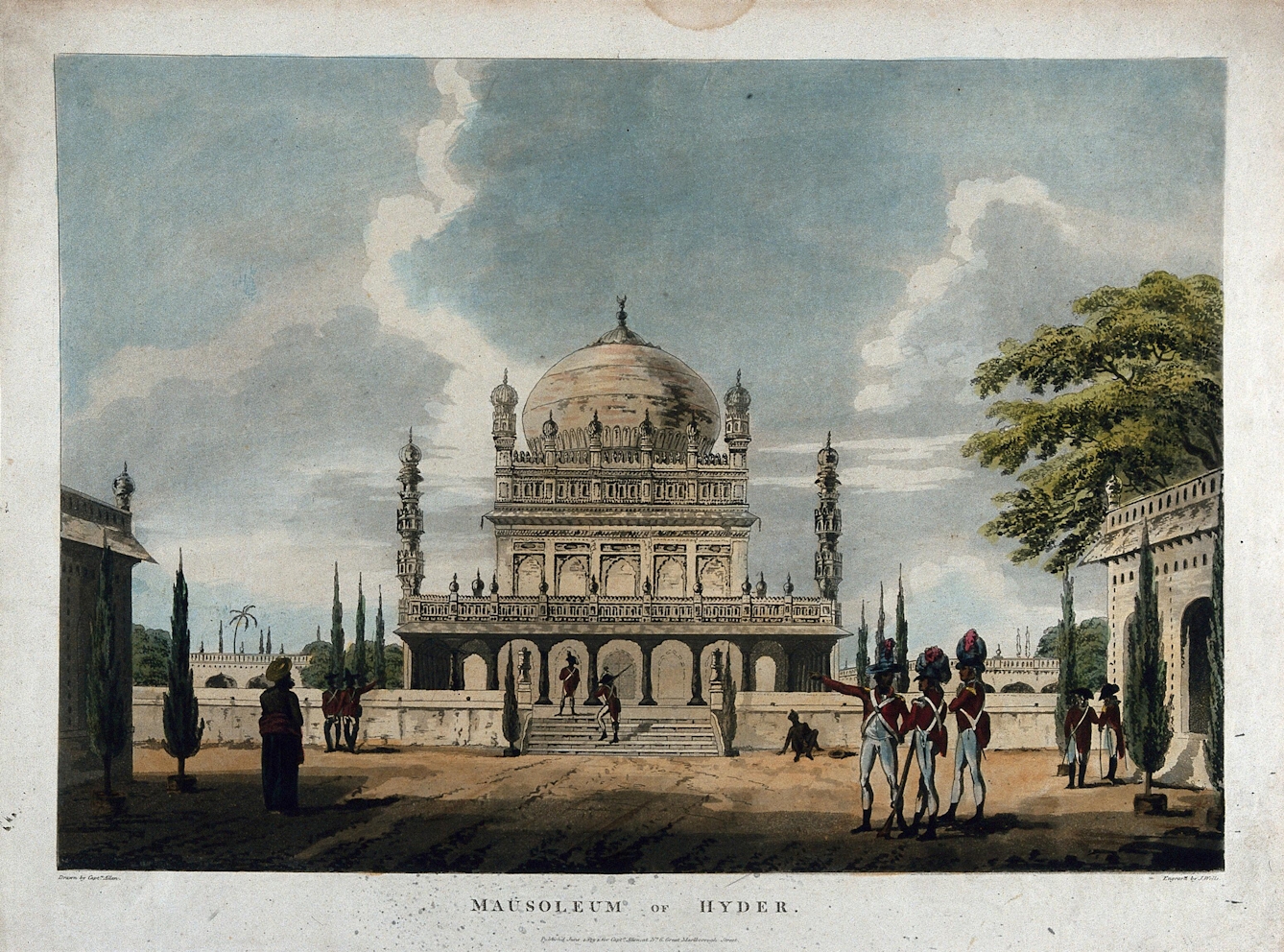
Tipu and his father Hyder Ali ruled the Kingdom of Mysore, a realm in southern India. In the 1760s, they defeated the rulers of Bilgi, Bednur and Gutti to become a major political power and the last obstacle the British faced to hegemony in India. The East India Company (EIC) – which had a founding charter to wage war and at one time had an army as large as 200,000 men – was pillaging the wealth of India. These ill-gotten riches propelled the 18th-century British economy, which is a fact we still ignore: during a recent visit to Museum of London Docklands, I was bereft to see a group of Asian schoolkids reading a sign describing the EIC as “the greatest of the merchant trading companies”.
3 of 10
The EIC’s greatest foe, Tipu, was given charge of important diplomatic and military missions at the age of 17, after training from the French. Although Hyder was illiterate (he rose from military officer to ruler), his son was highly educated, able to speak many languages, and a keen inventor hailed as the father of modern rockets. But Tipu was also responsible for deporting people from communities including the Nairs, Kodavas, and Mangalorean Catholics. This led some to see him as more of a despot than a freedom fighter. Today, this legacy means Tipu has fallen out of favour with some Indian educators, who prefer to partially remove him and his deeds from their syllabuses.
4 of 10
During Hyder’s rule, the Mysorean army had a rocket corps of 1,200 men, which Tipu increased to 5,000. In the battle of Pollilur, the army’s rocket technology surprised the EIC because of the use of iron tubes for holding the propellant. This innovation ended up influencing the design of British rockets, which goes against the narrative that European science was always more advanced. Hyder died in 1782, but Tipu’s accession wasn’t simple, as his brother, Abdul Karim, tried to claim the throne.
5 of 10
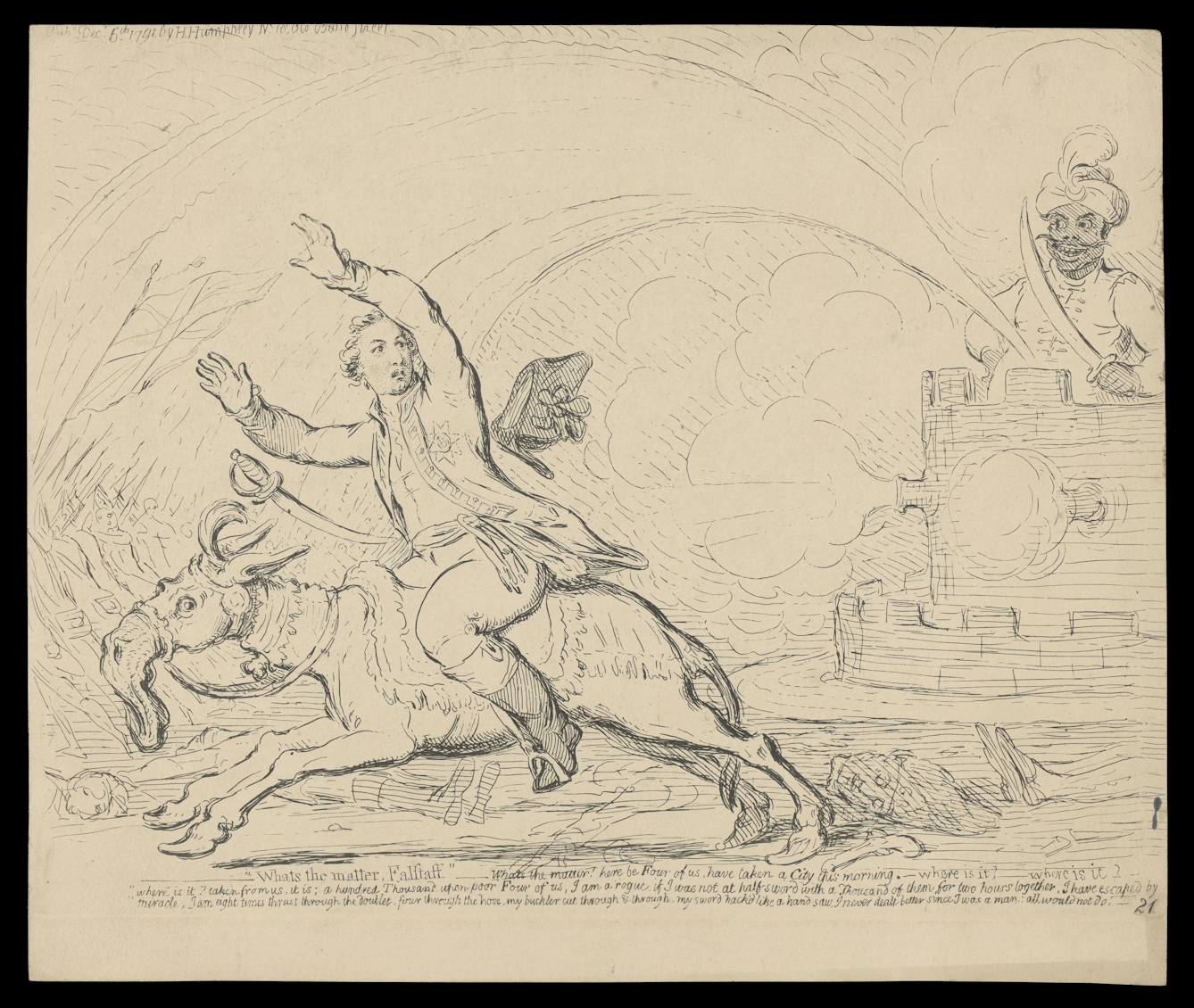
The EIC was arrogant and too slow to act to take advantage of Hyder’s death, and Tipu emerged a powerful leader. Despite his military and academic prowess (he owned a vast library with 2,000 volumes of law, theology and secular sciences, according to William Dalrymple’s 2019 book, ‘The Anarchy’), and his introduction of currency and calendars, the British portrayed him as a savage. When I first came across this work(view in catalogue) in Wellcome Collection’s archive, I asked that the title be changed – which it was, although the previous title also remains for reference – but actually the original was apt for this hideously racist portrait. It shows how the philosophy of colonialisation allowed Europeans to feel no moral duty towards its colonies.
6 of 10
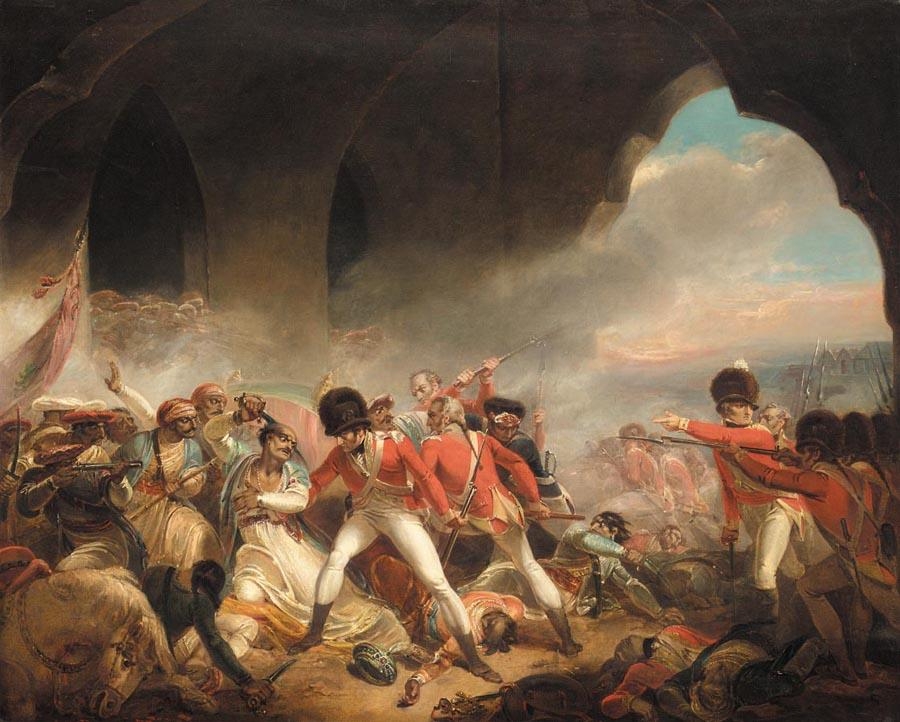
The real ‘savages’ were the EIC, who murdered Tipu and plundered his possessions, including his throne, which was one of the wonders of the 18th century. The throne was smashed into pieces and sold in parts. It was the inspiration for Wilkie Collins’s novel ‘The Moonstone’, in which a diamond originally from India is stolen. Part of the throne is now up for auction, but returning it to its rightful owners is off the agenda. The only step being taken by the UK government is an export ban designed to ensure that this jewel-encrusted finial is saved for a British museum.
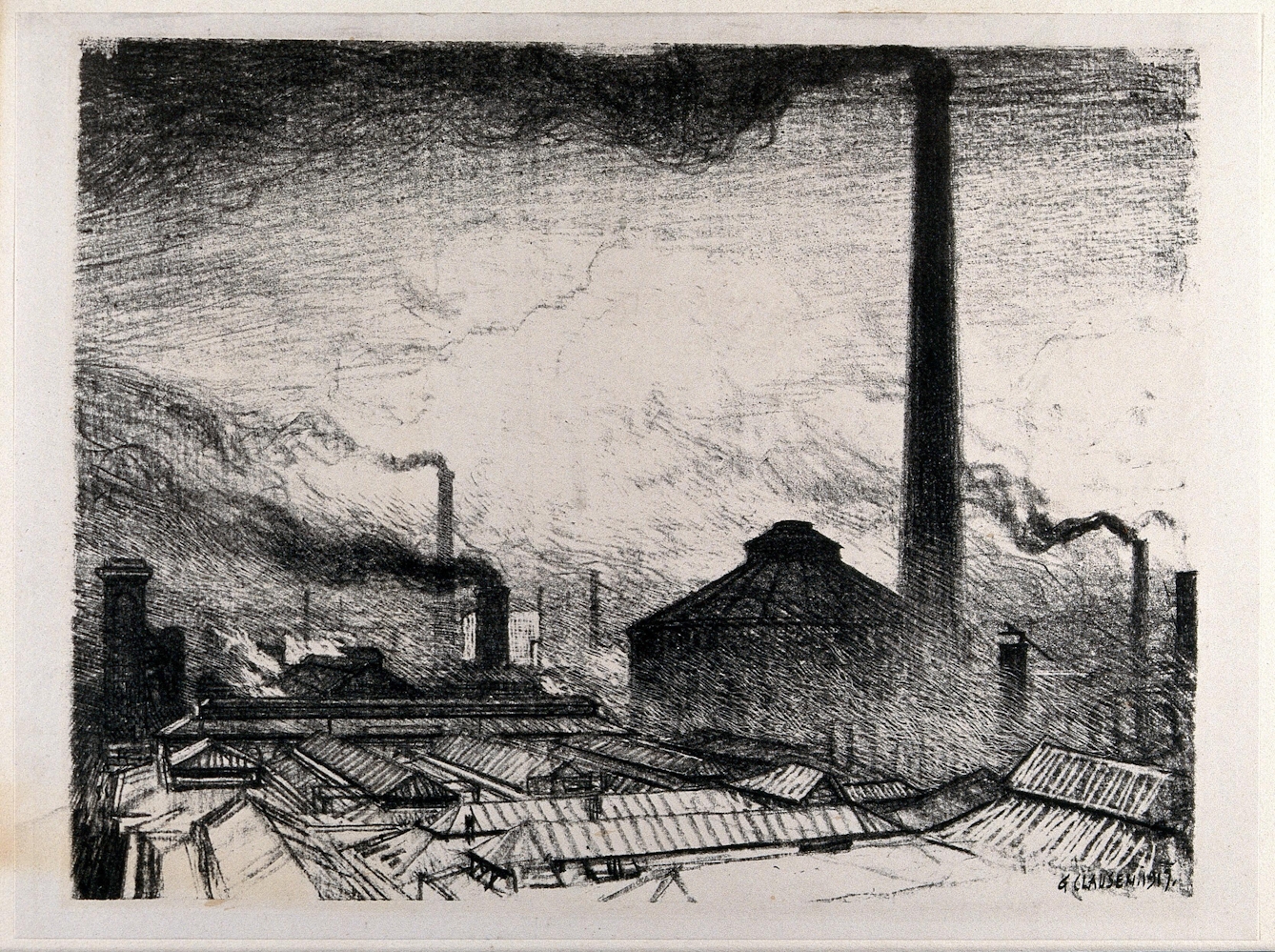
Royal Gun Factory, Woolwich Arsenal, London: the factory buildings seen from above, G Clausen. Source: Wellcome Collection. © Wellcome Collection.
7 of 10
But Tipu’s most important legacy was his technological advancements, particularly how his rockets inspired the Royal Woolwich Arsenal (pictured) to start a development programme in 1801 based on the Mysorean technology. These missiles were then used against the French in the Napoleonic wars, after William Congreve perfected the technology, and in the 1814 Battle of Baltimore. They are even mentioned in the US national anthem, ‘The Star-Spangled Banner’, in the line “the rocket’s red glare”.
8 of 10
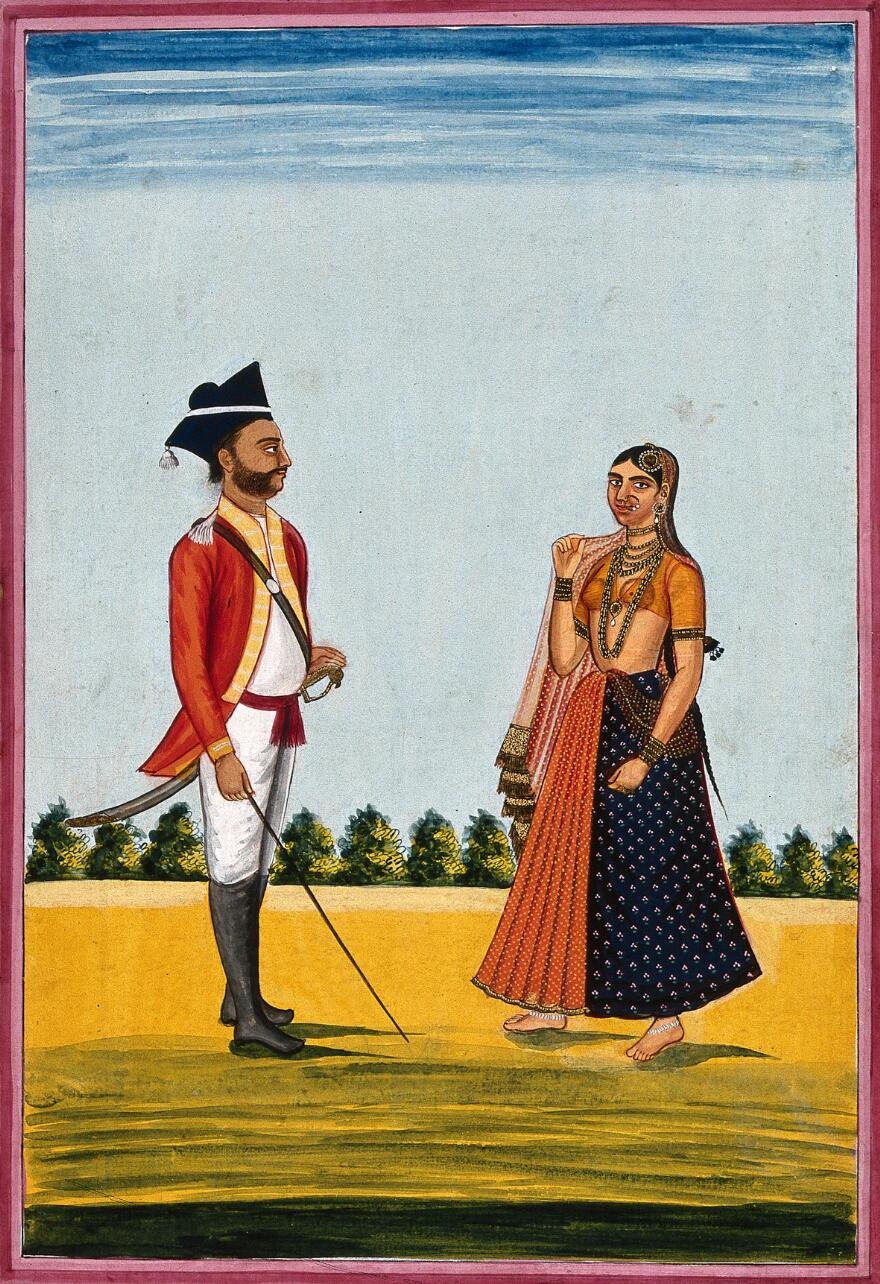
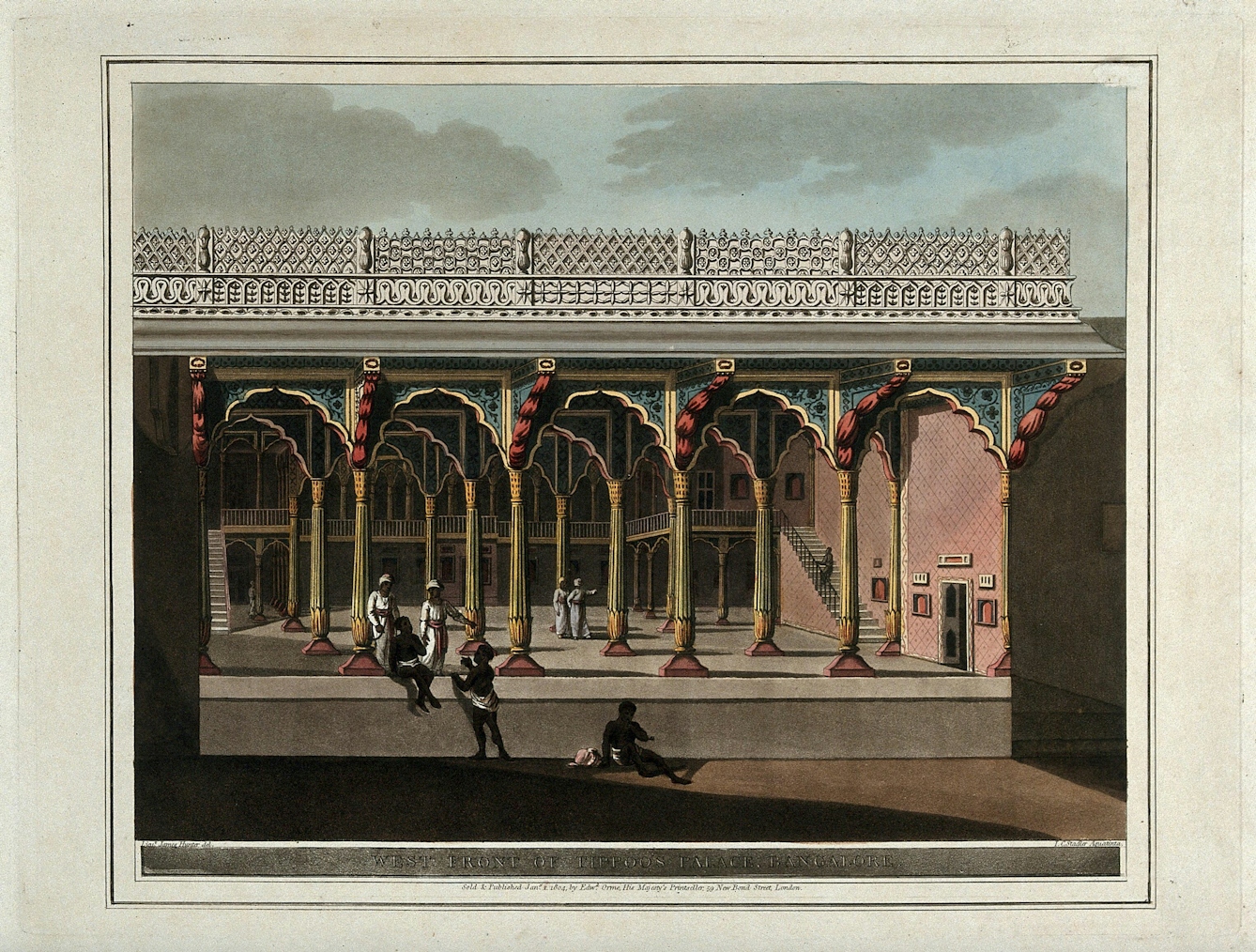
Sultan’s Tipu’s palace in Bangalore was opulent, although its richness wasn’t properly acknowledged by the British. I went to see this picture of the palace in person, but holding it left me empty. The images of the men are deeply problematic, as the Indians are coloured to look like caricatures. Looking at racist depictions like this isn’t triggering to me, as I’m so immune to the “white gaze”, and Tipu has almost always been seen through white British eyes.
9 of 10
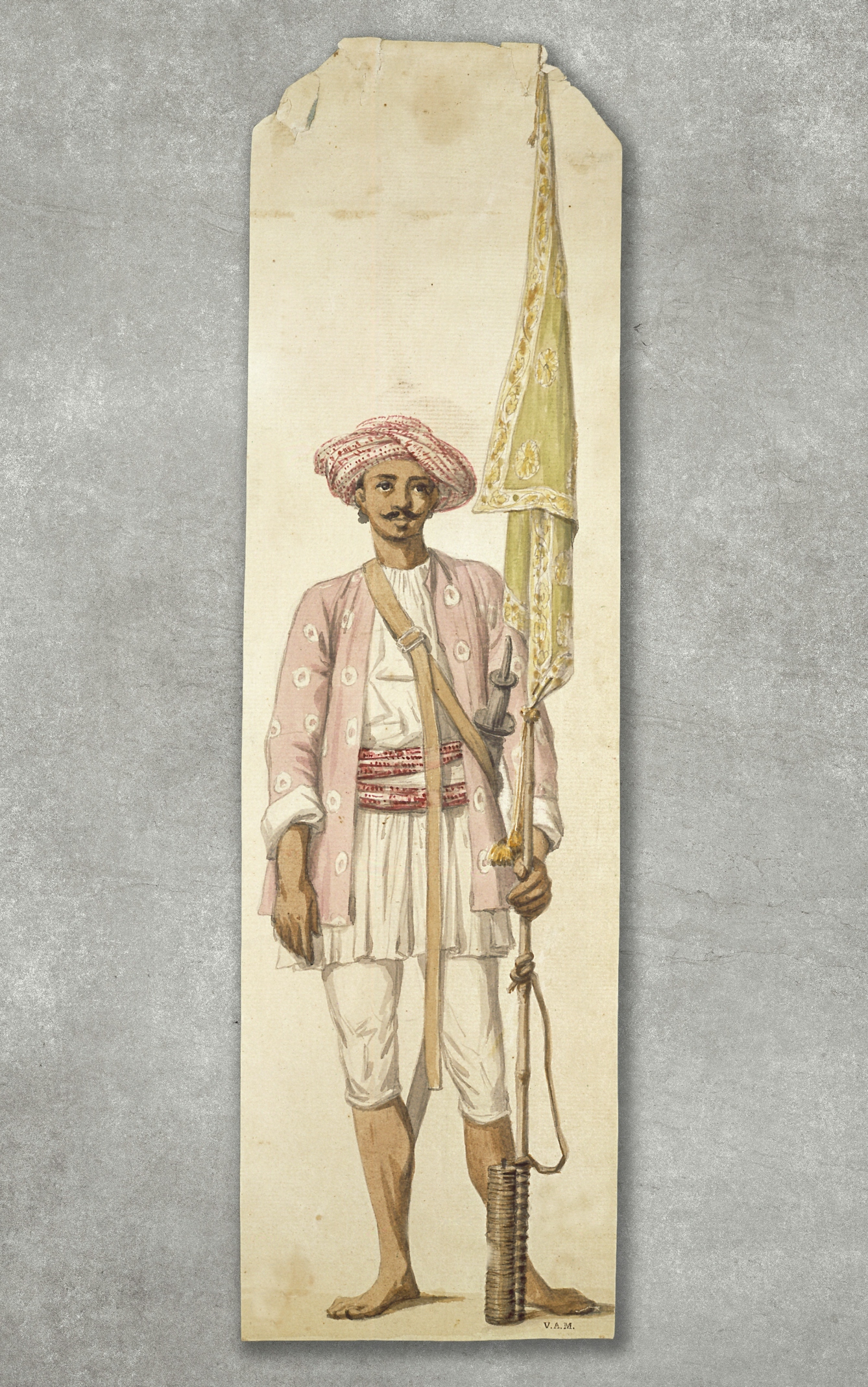
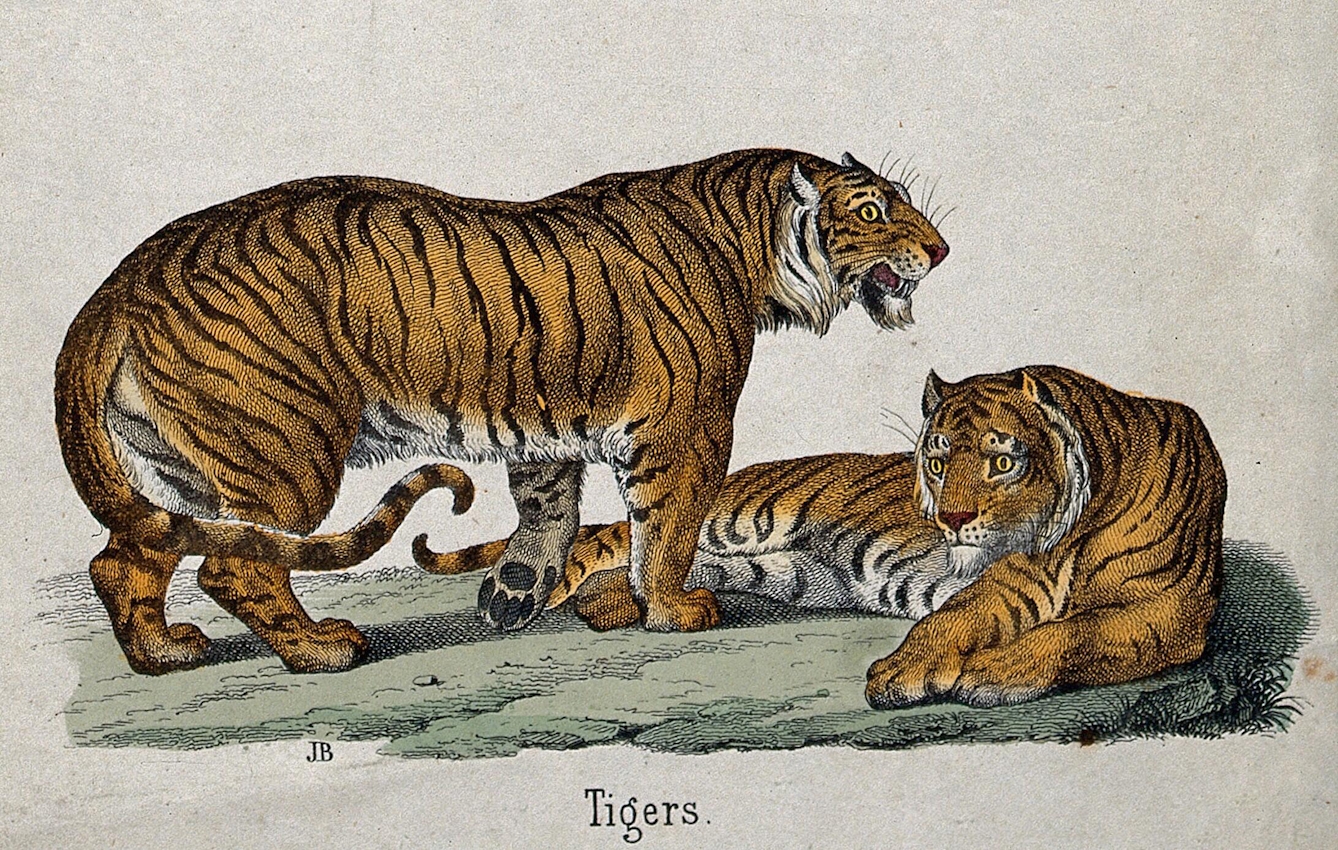
Sultan Tipu may have been depicted both as a savage and a scholar, but the one thing that can’t be disputed is his love of tigers. Many of his possessions were decorated with tiger stripes, including his throne, coins and swords. Even the bronze mortars used by his army were in the shape of crouching tigers, while rocket-firers wore tunics with tiger stripes woven into the fabric.
10 of 10
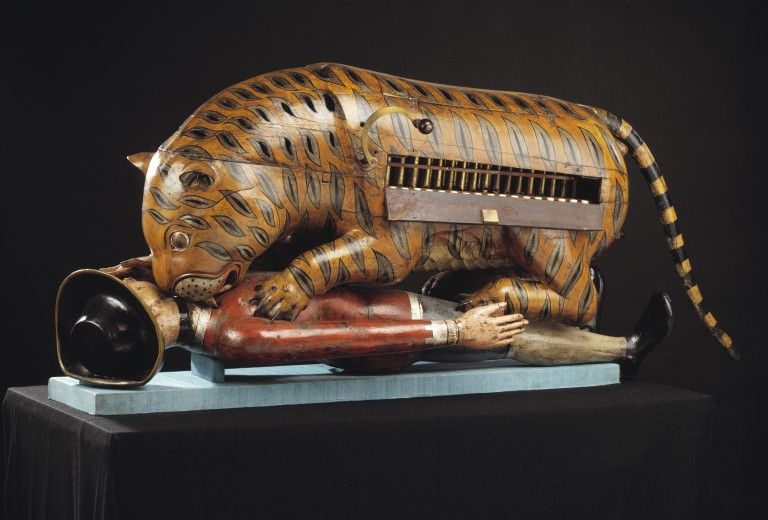
Am I right to revere Tipu, the ‘Tiger of Mysore’? He spent his life fighting the EIC and hated the British for the deeds they committed in his country. His repulsion was even reflected in his possessions: ‘Tipu’s Tiger’ is a semi-automaton featuring a tiger mauling a European soldier. According to the Victoria and Albert Museum, “concealed inside the tiger’s body… is an organ which can be operated by turning the handle next to it. This simultaneously makes the man’s arm lift up and down and produces noises intended to imitate his dying moans.” It’s obscenely funny but, whatever crimes the British have committed, I can’t empathise with this level of hatred.
About the author


David Jesudason
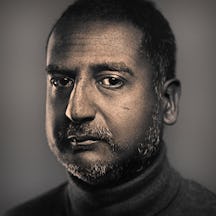
David Jesudason is a freelance journalist who covers race issues for BBC Culture, Pellicle and Vittles. He was named Beer Writer of the Year in 2023, after his first book ‘Desi Pubs, A Guide to British-Indian Pubs, Food and Culture’ was hailed as “the most important volume on pubs in 50 years”. David also writes ‘Pub Episodes of My Life’, a weekly newsletter about the drinking establishments that serve marginalised people.