Salvarsan was the first effective treatment for syphilis – and is known as the world’s first medical ‘magic bullet’. Felipe Martínez-Fernández charts the trial-and-error process that turned this experimental laboratory compound into a global commodity, which then became part of popular culture.

1 of 15
On 19 April 1910, delegates at the Congress for Internal Medicine in Wiesbaden gave a standing ovation to Paul Ehrlich at the end of a session on chemotherapy. Ehrlich, a renowned German scientist and winner of the 1908 Nobel Prize in Physiology or Medicine, had just announced a key breakthrough: after systematically testing hundreds of arsenic-based compounds, his team had identified an effective treatment for syphilis.

2 of 15
Backed by philanthropists like the Speyer family(view in catalogue), Ehrlich established a laboratory where he developed what he called a ‘magic bullet’ – a drug capable of targeting the microorganisms responsible for the disease without harming human cells. It was named Salvarsan and marked the beginning of a new era in modern medicine.
3 of 15
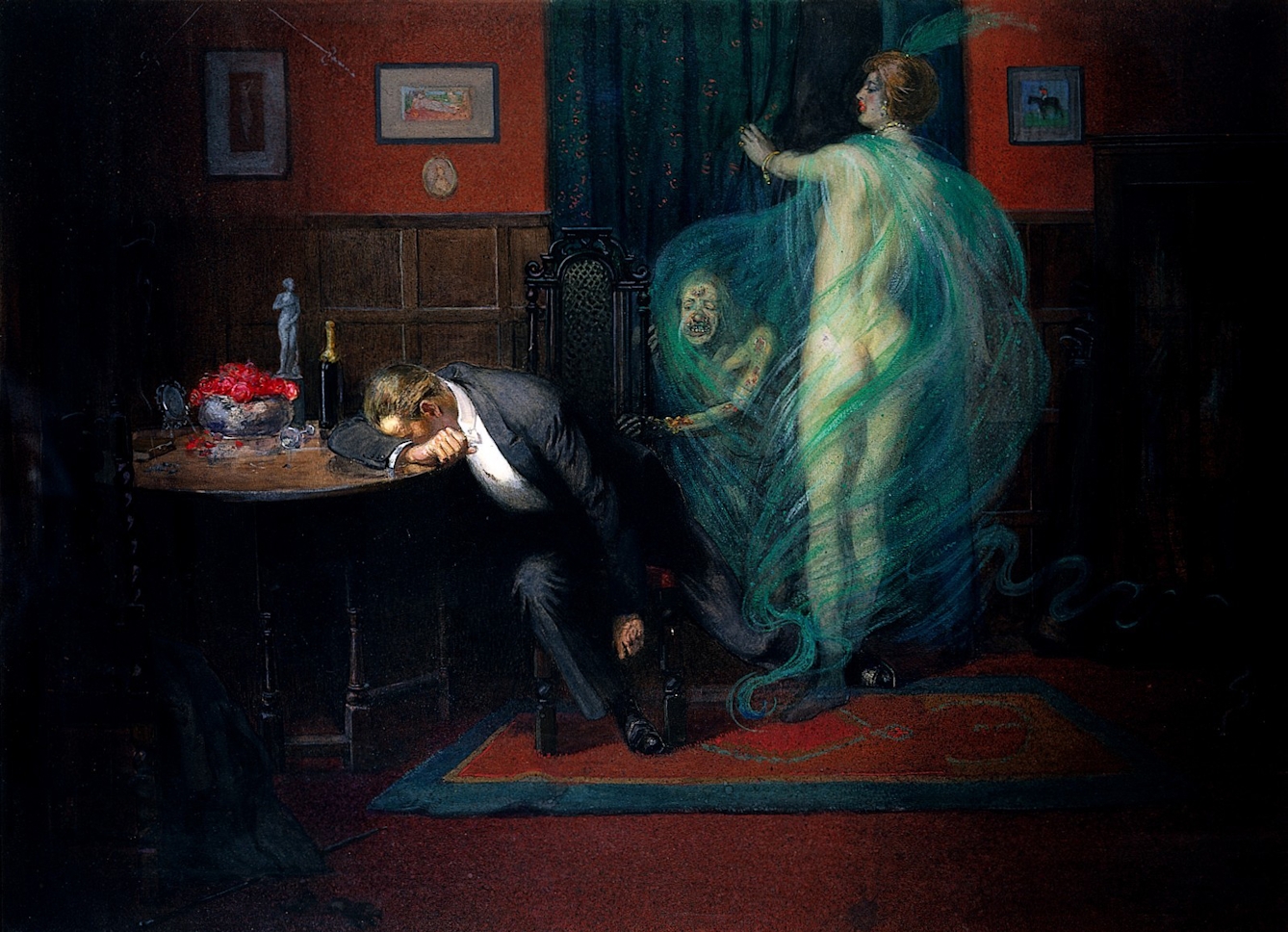
“One night with Venus, a lifetime with Mercury” was a common warning in the late 19th century, reflecting the widespread fear of syphilis and the harsh treatments to fight it. Before the 1910s, the disease was largely incurable and was treated with toxic mercury, leaving patients as debilitated by the cure as by the illness itself.
This painting captures that reality: an elegantly dressed man receives a syphilis diagnosis, accompanied by the allegorical figure of Venus, goddess of love and desire. Her presence reflects links between sexuality, sex work and venereal disease – the term ‘venereal’ itself deriving from her name. But this therapeutic landscape changed with the arrival of Salvarsan.
4 of 15
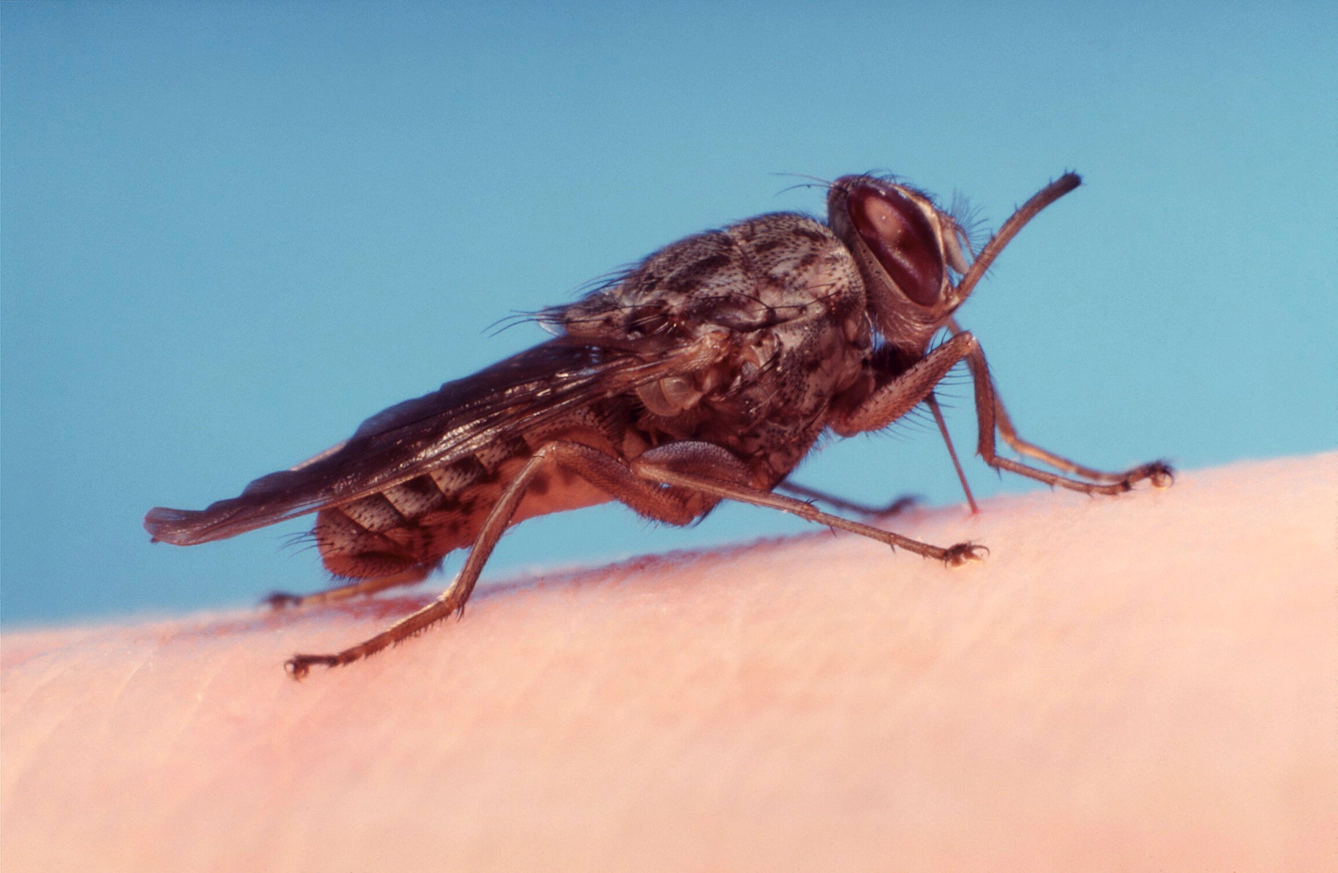
Salvarsan was developed from an earlier arsenical compound known as Atoxyl – a drug that was widely used to treat sleeping sickness – a disease carried by tsetse flies, pictured above.
Atoxyl became a cornerstone of colonial medical science, with expeditions across Africa organised to study and expand its use. Although early results appeared promising, the drug could cause severe and often irreversible side effects, including blindness. Trials were often carried out in remote communities, where people were subjected to treatment without consent. These practices reflected broader patterns of racism and exploitation in medical research that continued well into the 20th century, such as the Tuskegee and Guatemala syphilis studies.

Copper amuletic mask to protect against sleeping sickness. Source: Science Museum Group Collection. © The Board of Trustees of the Science Museum. Attribution-NonCommercial-ShareAlike 4.0 International (CC BY-NC-SA 4.0).
5 of 15
But Atoxyl was not the only response to sleeping sickness. In the Kasai River region of the Democratic Republic of the Congo, people from the Babunda community wore protective amulets adorned with copper masks to ward off the disease. These objects point to alternative understandings of illness and protection beyond the colonial biomedical framework.
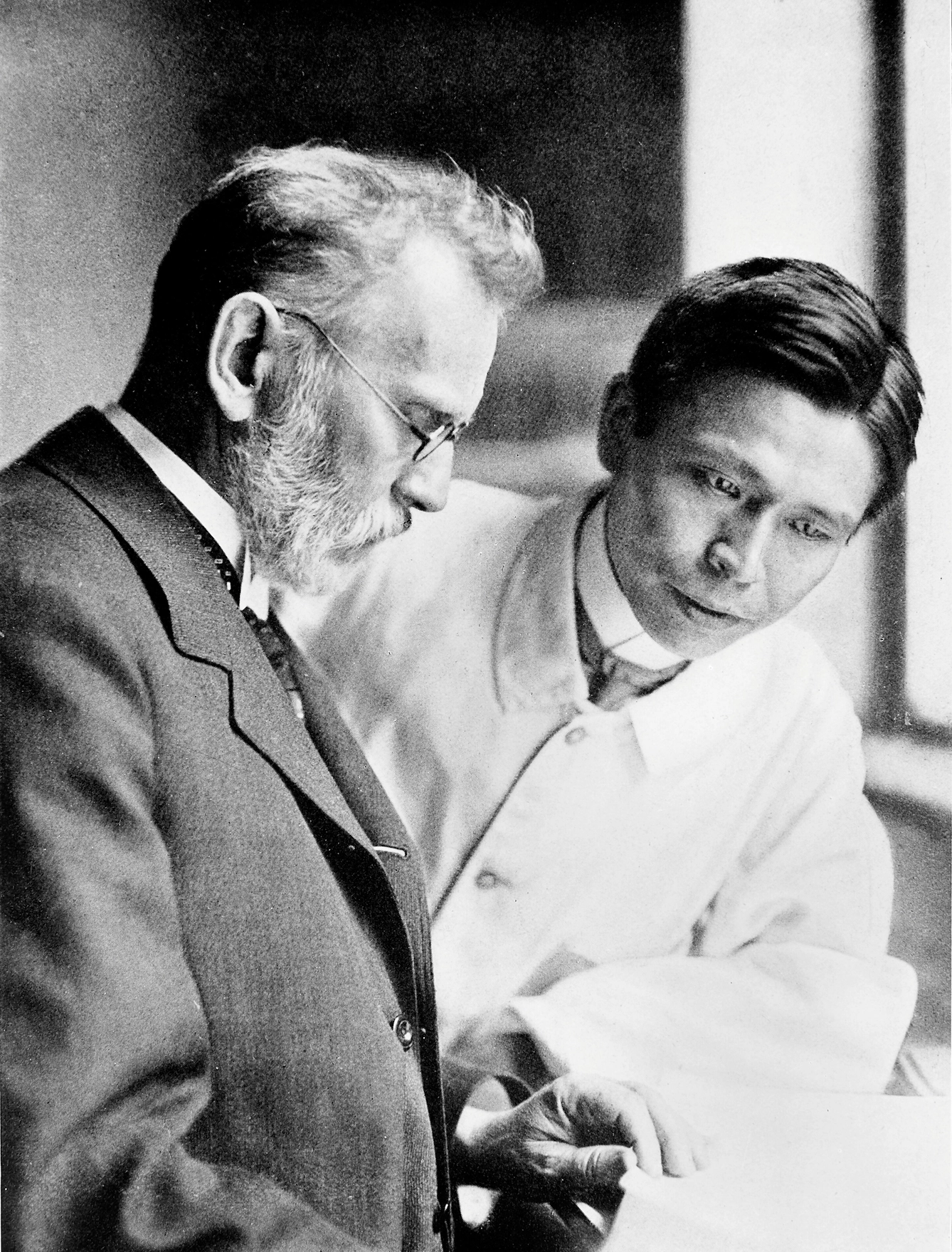
M0013258: Photograph of Paul Ehrlich and Sahachiro Hata., 1954. © Wellcome Collection.
6 of 15
The story of Salvarsan is often told through the figure of Ehrlich alone. Yet Professor Sahachirō Hata, a Japanese bacteriologist working in Ehrlich’s Frankfurt laboratory, played a central role in its development. Hata infected rabbits with syphilis, then gave the rabbits a chemical to observe whether they were cured without the compound making them ill. In 1908, after more than 605 experimental trials, Hata tested the 606th compound on syphilis-infected rabbits. As the animals began to recover, it became clear the compound had therapeutic potential(view in catalogue). Human experiments followed.
Although Ehrlich received international acclaim for Salvarsan, Hata’s contribution has been overlooked because he was not white European.
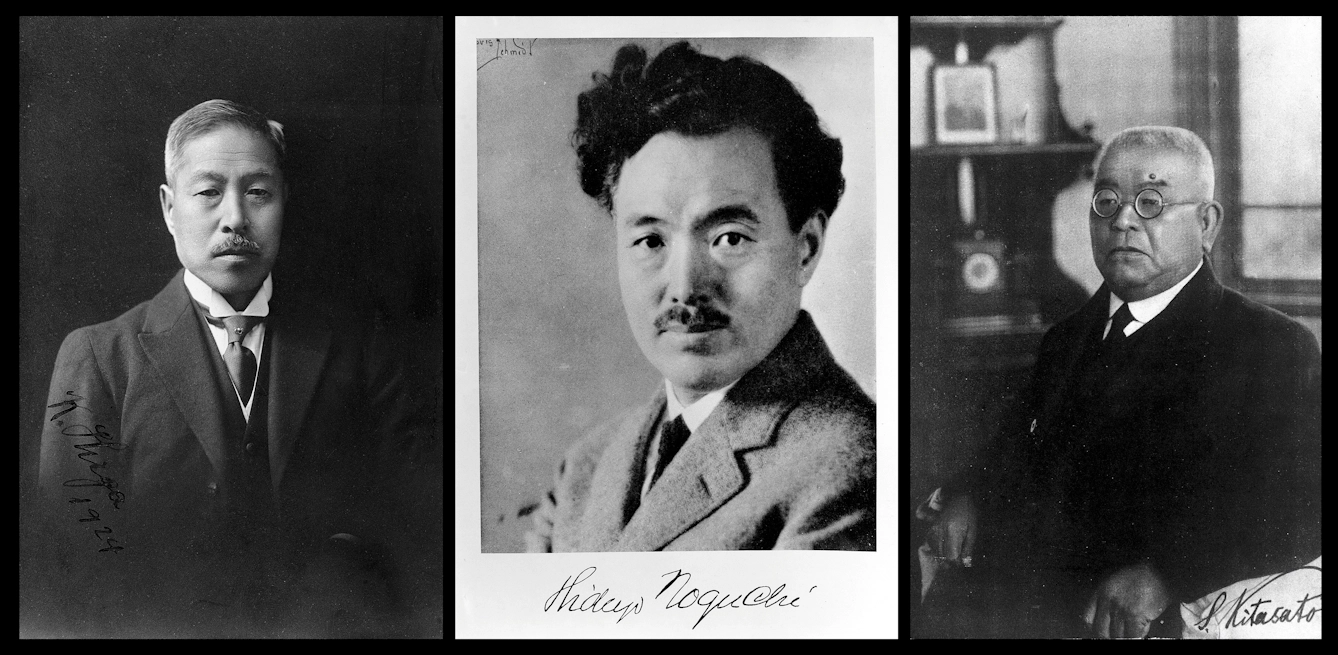
Left: Kiyoshi Shiga from an original photograph. Source: Wellcome Collection. Attribution 4.0 International (CC BY 4.0). Middle: M0017984: Portrait of Hideyo Noguchi (1876-1928). Source: Wellcome Collection . Right: Signed photograph of Shibasaburo Kitasato. Source: Wellcome Collection . Attribution 4.0 International (CC BY 4.0).
7 of 15
Hata was not the only Japanese scientist shaping modern bacteriology. The development of infectious disease research relied on international collaboration, and the story of Salvarsan emerged from exchanges between the Japanese and German empires. Scientists including Shiga Kiyoshi(view in catalogue), Hideyo Noguchi (view in catalogue)and Kitasato Shibasaburō(view in catalogue) played important roles in advancing bacteriology during this period.
8 of 15
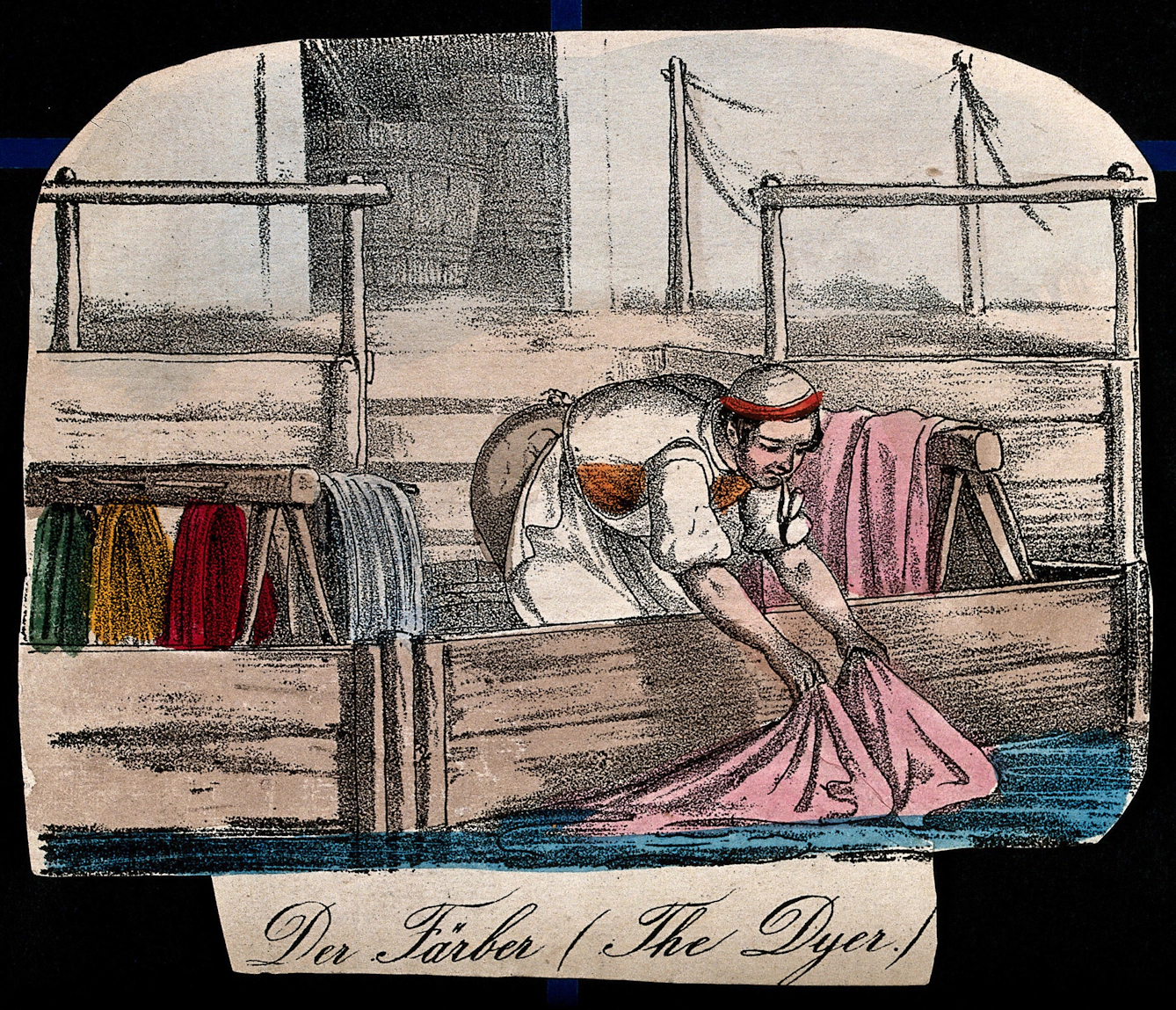
By the late 19th century, the German Empire had become a world leader in synthetic dyes, an industry that benefited from imperial networks of trade, resources and scientific exchange. These dyes proved useful far beyond textiles. Scientists used aniline dyes to stain microorganisms, making them easier to identify and study under a microscope. Inspired by the way dyes could selectively attach to certain cells, Ehrlich began to investigate whether chemicals might also be used to target disease-causing microbes. This line of research eventually led to the development of Salvarsan.
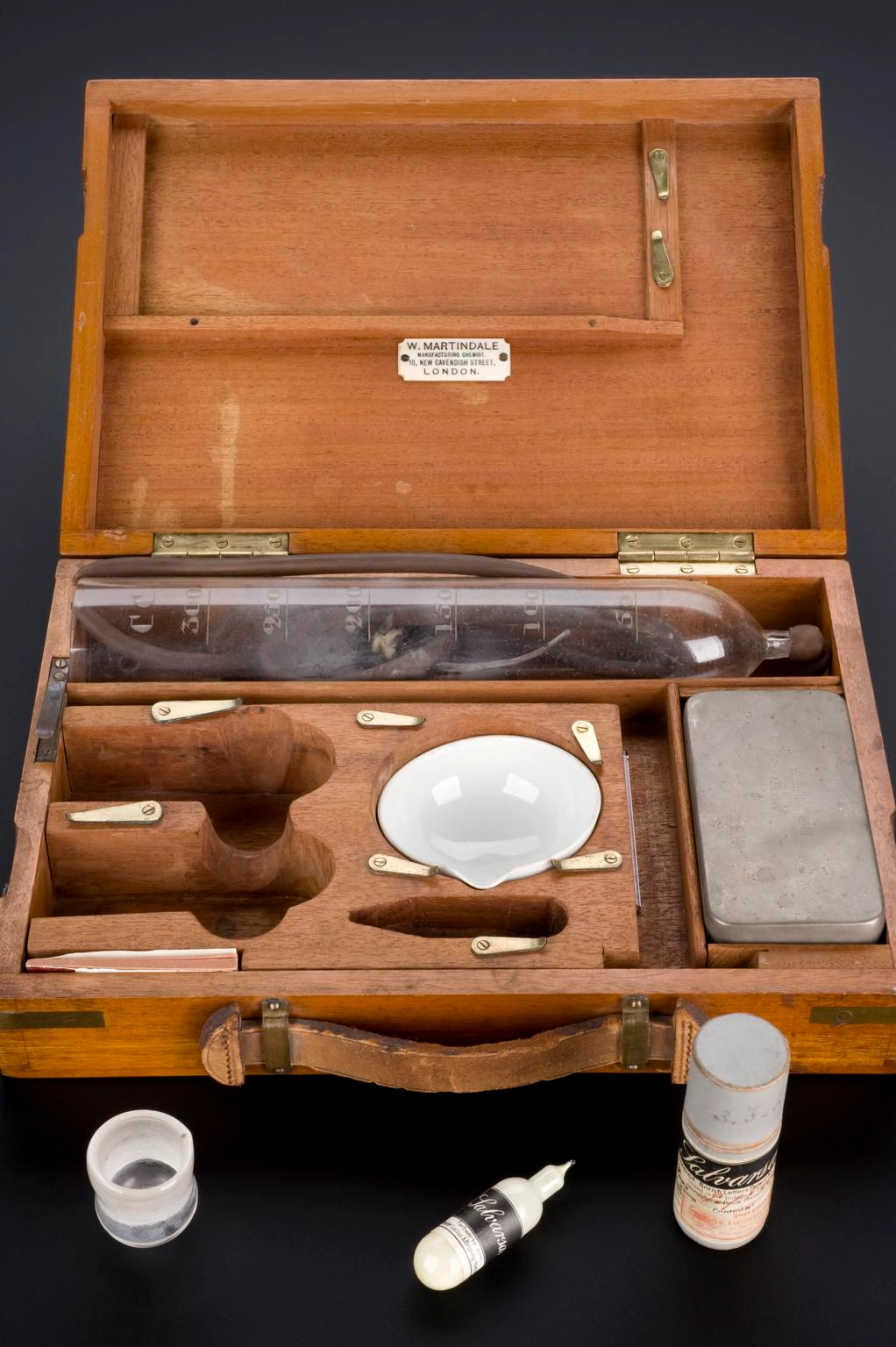
Salvarsan kit. Source: Science Museum Group Collection. © The Board of Trustees of the Science Museum. Attribution-NonCommercial-ShareAlike 4.0 International (CC BY-NC-SA 4.0).
9 of 15
After successful human trials, Salvarsan 606 was made available. German manufacturers initially dominated the production of Salvarsan. However, the outbreak of World War I disrupted supply, and prompted other countries to develop their own manufacturing capacity. In England, firms moved quickly to meet demand. Some manufacturers developed Salvarsan kits. From 1914, Burroughs Wellcome & Co. produced a local version of Salvarsan, branded as Kharsivan.
10 of 15
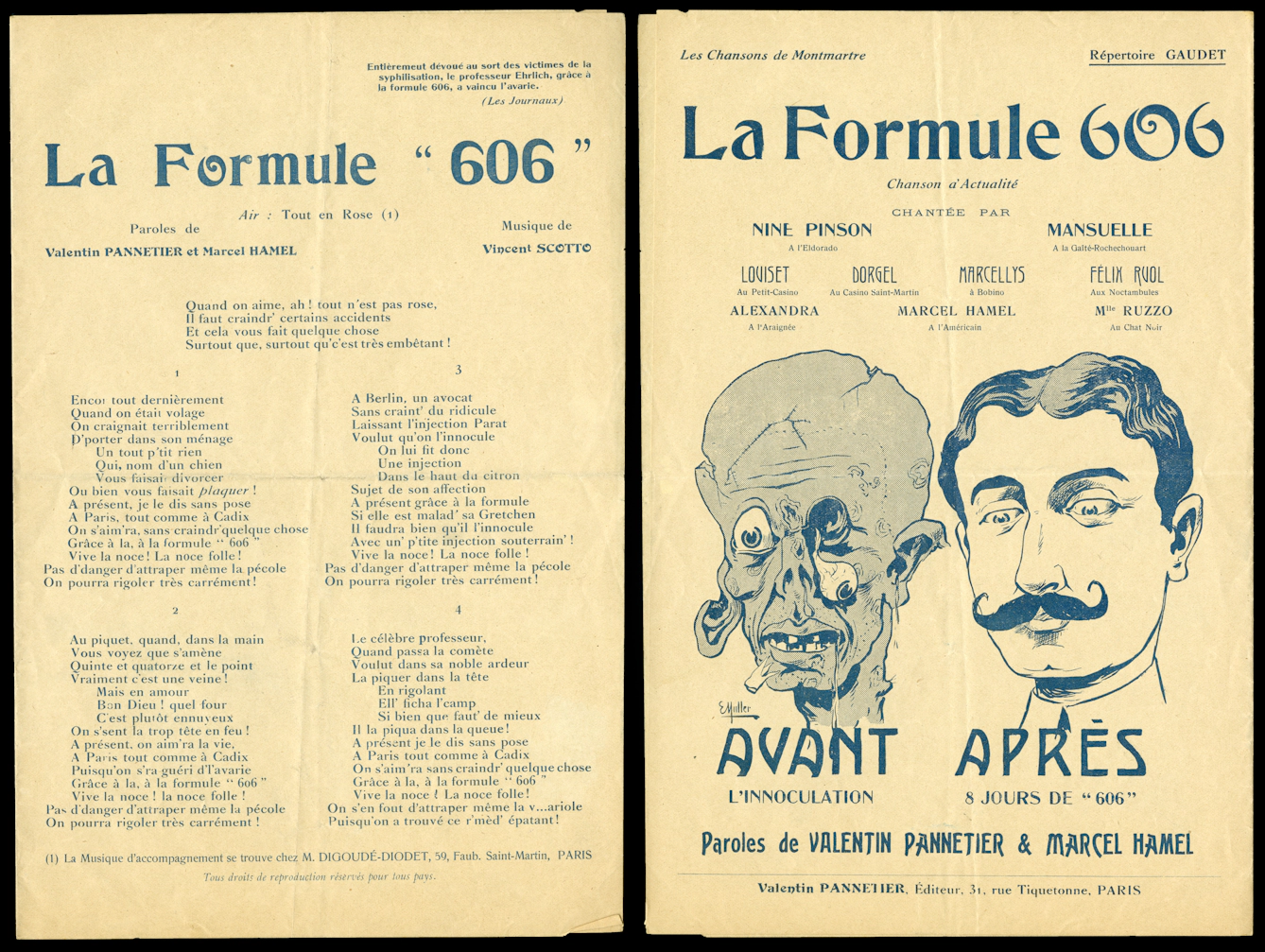
Widely perceived as a long-awaited cure for syphilis, Salvarsan generated optimism, as patients experienced rapid and visible recovery. The term ‘606’ soon became synonymous with transformation and recovery, and the drug’s success extended beyond the clinic into popular culture. Its impact was felt in urban cultural spaces, from dance halls and cabarets to popular music. In Buenos Aires, Argentina, Salvarsan inspired tangos. The French song, ‘La Formule 606’ also celebrated its promise, which you can listen to here.
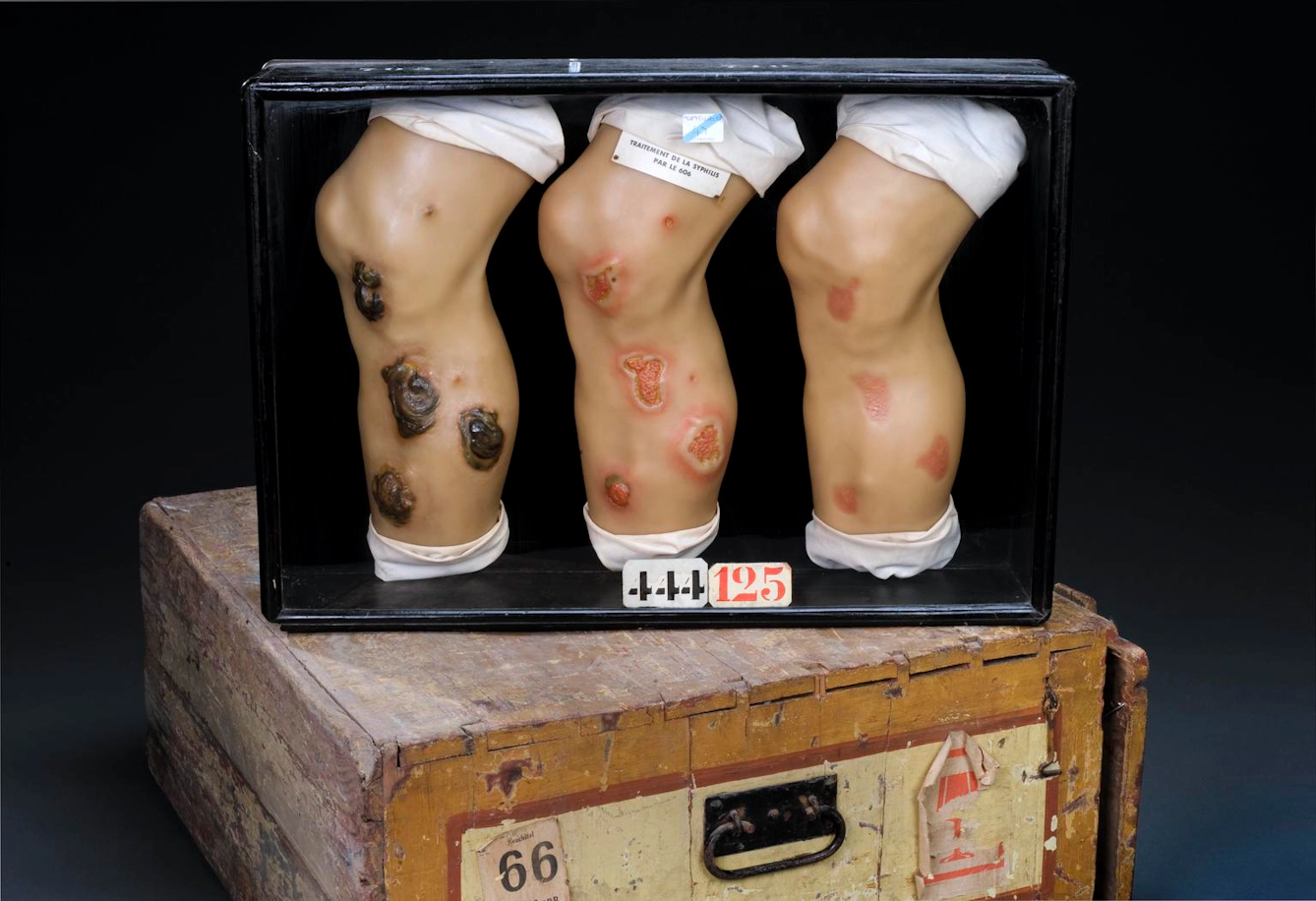
Three wax legs showing treatment of ulcers caused by syphilis, Germany, 1910-1920. Source: Science Museum Group Collection. © The Board of Trustees of the Science Museum. Attribution-NonCommercial-ShareAlike 4.0 International (CC BY-NC-SA 4.0).
11 of 15
As Salvarsan gained popularity, its effects were documented in striking ways. These ‘before and after’ wax models were used as visual evidence of the drug's success.
Although Salvarsan was mainly used to treat syphilis, it was also adapted for use against other diseases, including yellow fever and malaria.

12 of 15
Salvarsan became an important part of clinical practice. As more people sought treatment for syphilis, doctors improved the way the drug was given to make it safer and more effective. Salvarsan treatment was known to be uncomfortable for patients. Over time, intravenous injection became the preferred method, replacing subcutaneous and intramuscular methods which often caused pain, tissue damage, and other side effects. To make intravenous treatment as safe and effective as possible, doctors and nurses developed specialised techniques for administering the drug into the vein.

Colección Ciencias Químicas y Farmacéuticas. © Museo de Química y Farmacia Prof. César Leyton.
13 of 15
In 1912, researchers introduced a safer, less toxic derivative: the compound ‘914’, marketed as Neosalvarsan. This development coincided with major advances in pharmaceutical packaging. Refined bottling techniques involved sealing the drug in glass vials, which reduced exposure to air. This helped to preserve the drug's stability during storage and transport.
By the 1920s, Neosalvarsan had reached markets across Latin America, including Chile, where I live, and where demand was driven by the widespread prevalence of syphilis. As pictured here, pharmaceutical firms like Meister, Lucius & Brüning adapted the ‘914’ packaging for the Chilean market, but growing concerns about counterfeit drugs led ampoules to be labelled as “original”.
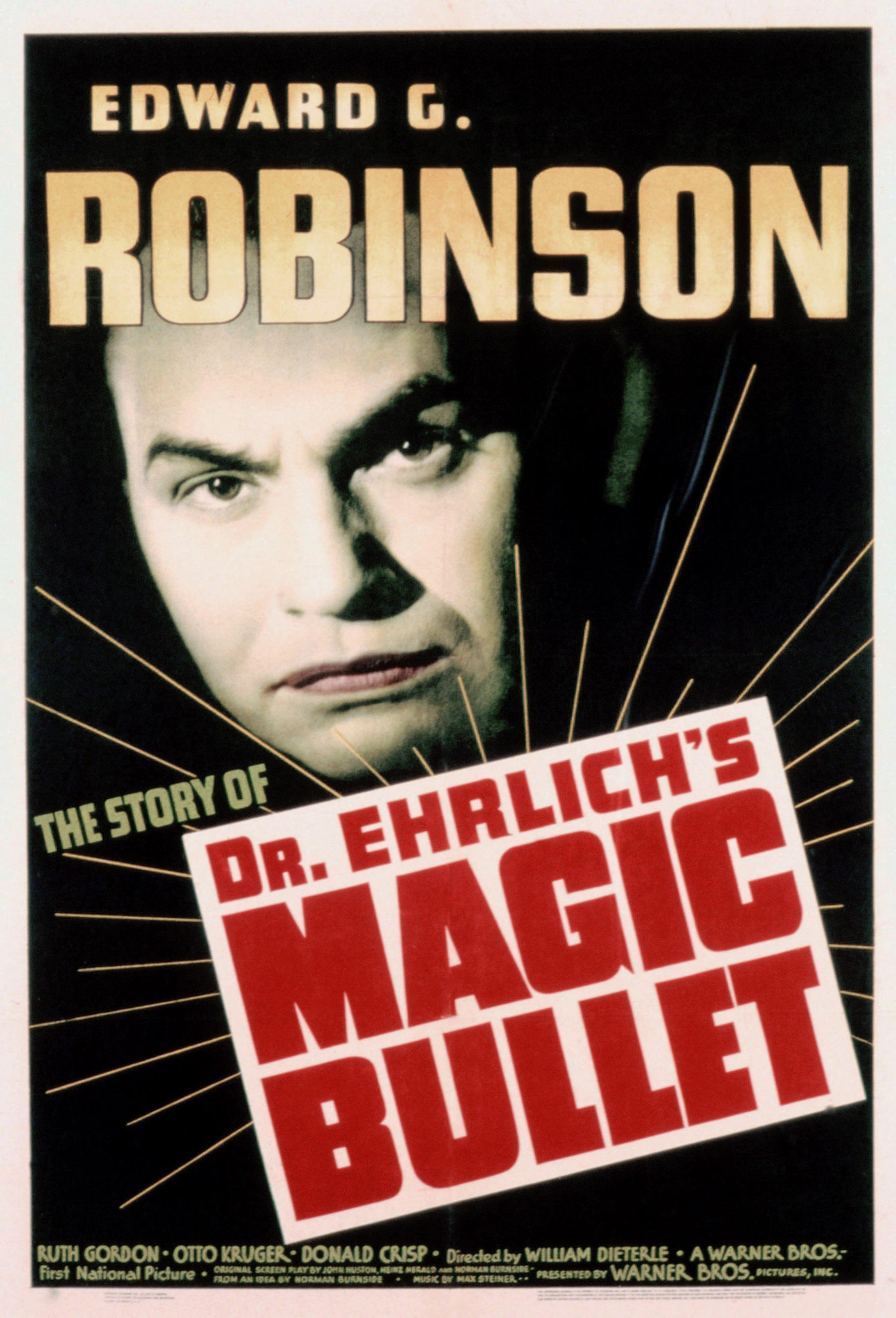
DR. EHRLICH'S MAGIC BULLET, Edward G. Robinson, 1940, Everett Collection. © Warner Bros. / Alamy Stock Photo.
14 of 15
The story of Salvarsan even made its way to Hollywood. In 1938, Warner Bros. released ‘Dr. Ehrlich’s Magic Bullet’, turning the drug’s history into a heroic tale for mass audiences. Released on the eve of World War II, the film portrayed the ‘magic bullet’ as a triumph of science over infectious disease.

Poster advocating the benefits of Penicillin. Source: Wellcome Collection. © Wellcome Collection.
15 of 15
Salvarsan’s success encouraged scientists to pursue new drugs for bacterial diseases more broadly. It showed that infectious illnesses could, in fact, be treated effectively, and it remained a key therapy for syphilis for several decades. But the widespread use of penicillin during World War II marked a turning point: less toxic and faster acting than arsenic-based drugs like Salvarsan, penicillin sped up recovery from syphilis and broadened the possibilities of antibacterial treatment.
Salvarsan, then, was never a simple ‘magic bullet’. Its story stretches from colonial sleeping sickness campaigns and laboratory rabbit trials to tango songs and Hollywood films. What began as an experimental compound became a global commodity and, in the process, a powerful cultural symbol.
About the contributors

Felipe Martínez-Fernández
Author
Felipe Martínez-Fernández is a historian of modern medicine specialising in infectious diseases, microbes and antibacterial agents. He has also worked in archives and museums. He is currently a postdoctoral researcher at the Universidad Andrés Bello focusing on the use of antibacterials in Chilean public health since the early 20th century.

.jpg)
Vanesha Kirita Singh
(she/her)
Commissioning editor
Vanesha is a Digital Editor at Wellcome Collection, specialising in storytelling that centres lived experience and social justice. Her practice is shaped by decolonial and anti‑imperial politics, rooted in a deep commitment to collective liberation. She works to create caring, supportive spaces for writers and artists, and strives to empower those who are misrepresented and excluded from mainstream discourse. Vanesha is particularly drawn to storytelling that explores solidarity and resistance. Her personal research focuses on Caribbean histories, especially the system of indentureship and its ongoing legacies.