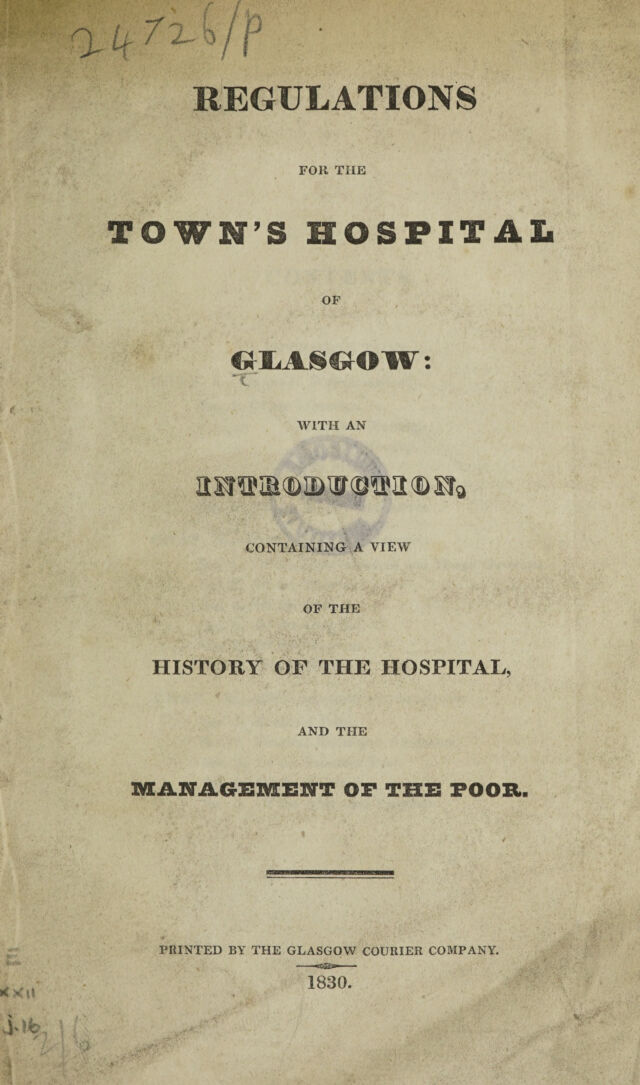
Regulations for the Town's Hospital of Glasgow, with an introduction, containing a view of the history of the Hospital, and the management of the poor.
- Town's Hospital (Glasgow, Scotland)
- Date:
- 1830
Licence: Public Domain Mark
Credit: Regulations for the Town's Hospital of Glasgow, with an introduction, containing a view of the history of the Hospital, and the management of the poor. Source: Wellcome Collection.
5/36
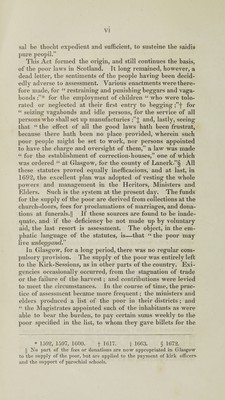
![IlfTROMJCTIOJ. Hospitals, or Spittals, were originally erected during the subsistence of the Roman Catholic religion. Their object was the reception of the sick and the stranger, and the sup¬ port of the aged and helpless. They were at first governed by the priests and deacons, under the inspection of the bishop, but were afterward placed under the administration of responsible laymen. Ample revenues were assigned by the Church for their maintenance, and rich endowments were also founded by individuals. The rest of the poor were chiefly supplied by alms from monasteries. The Reformation, in 1560, dissolved all these institutions. The barons seized on the spoil, and the poor were left desti¬ tute. Distress and disorder followed, in consequence of which an act of the Scottish Parliament was passed in 1579. It directed the Lord Chancellor to “ call for the erection of all Hospitalles to be produced before him, and inquire and considder the present estate thairof, reducing them as far as possible to the first institutions, as may best serve for the help and reliefe of the aged, impotent and pure peopil.” This provision came too late, for the funds were all appro¬ priated. Resorting, therefore, to other sources for relief, the act also required, that all the poor should repair to their own parishes; that an inquisition should there be taken of those “ qhuilkes mon of necessity live by almes that a register shoidd be made of “ the saidis pure peopil” and their circumstances ; that consideration should be taken “ qhuat their neidful sustentation will extend to every ouke[week] and that then, “ by the gude discretion of the Provests, Baillies and Judges [Justices] in the parochines [parishes] to landwart, and sik as they sal call to them to that effect, to tax and stent the haill inhabitants within the parocliin, according to the estimation of their substance, without ex¬ ception of persones, to sik ouklie charge and contribution as](https://iiif.wellcomecollection.org/image/b30349679_0005.jp2/full/800%2C/0/default.jpg)