Information to help you plan and prepare for your visit to the exhibition.
Audrey Amiss: The Surviving Exhibitions visual story
Introduction to Audrey Amiss: The Surviving Exhibitions
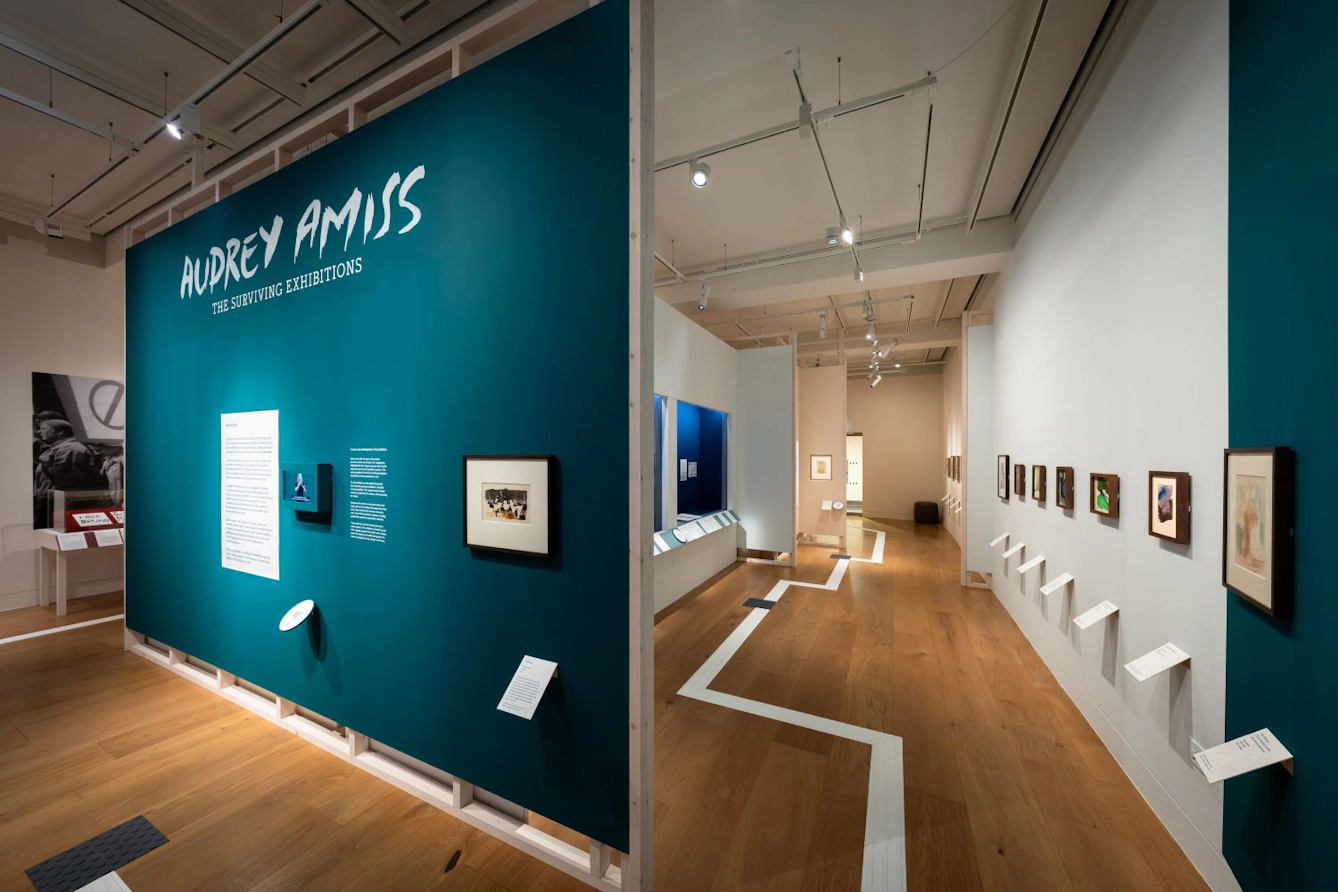
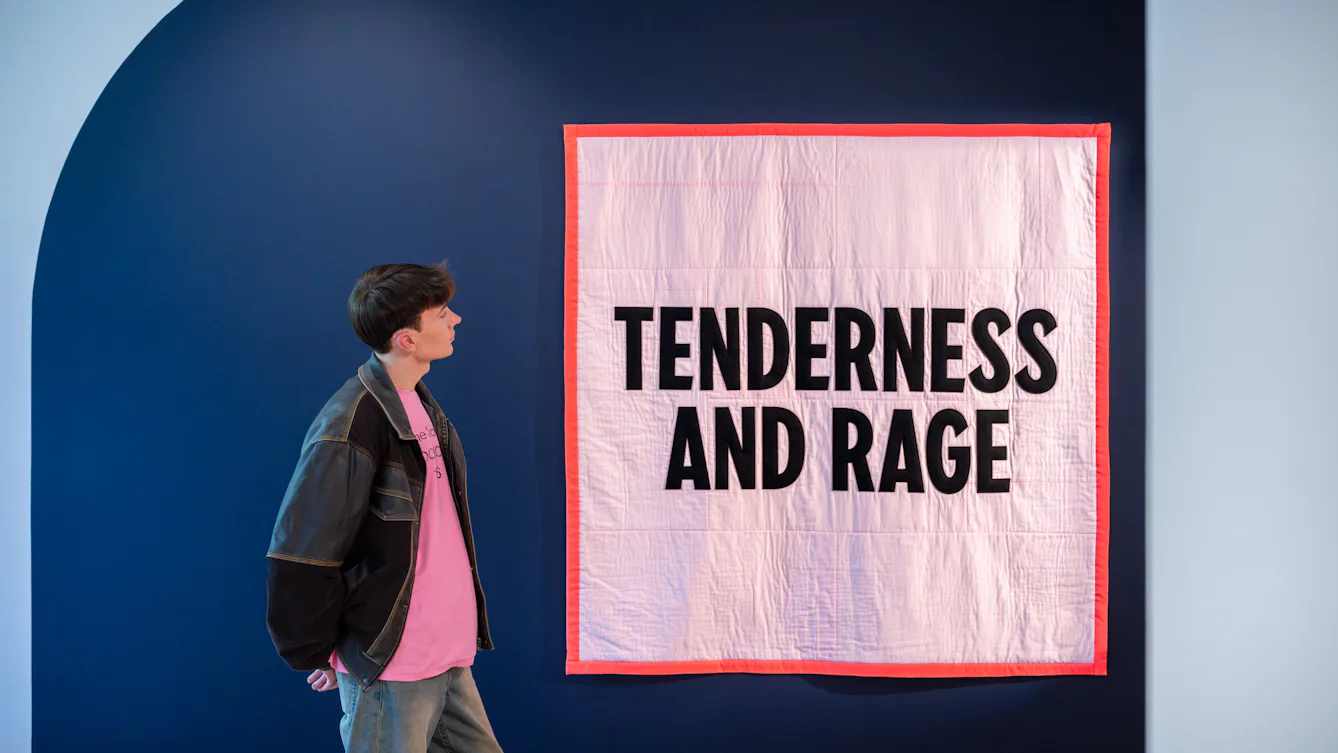
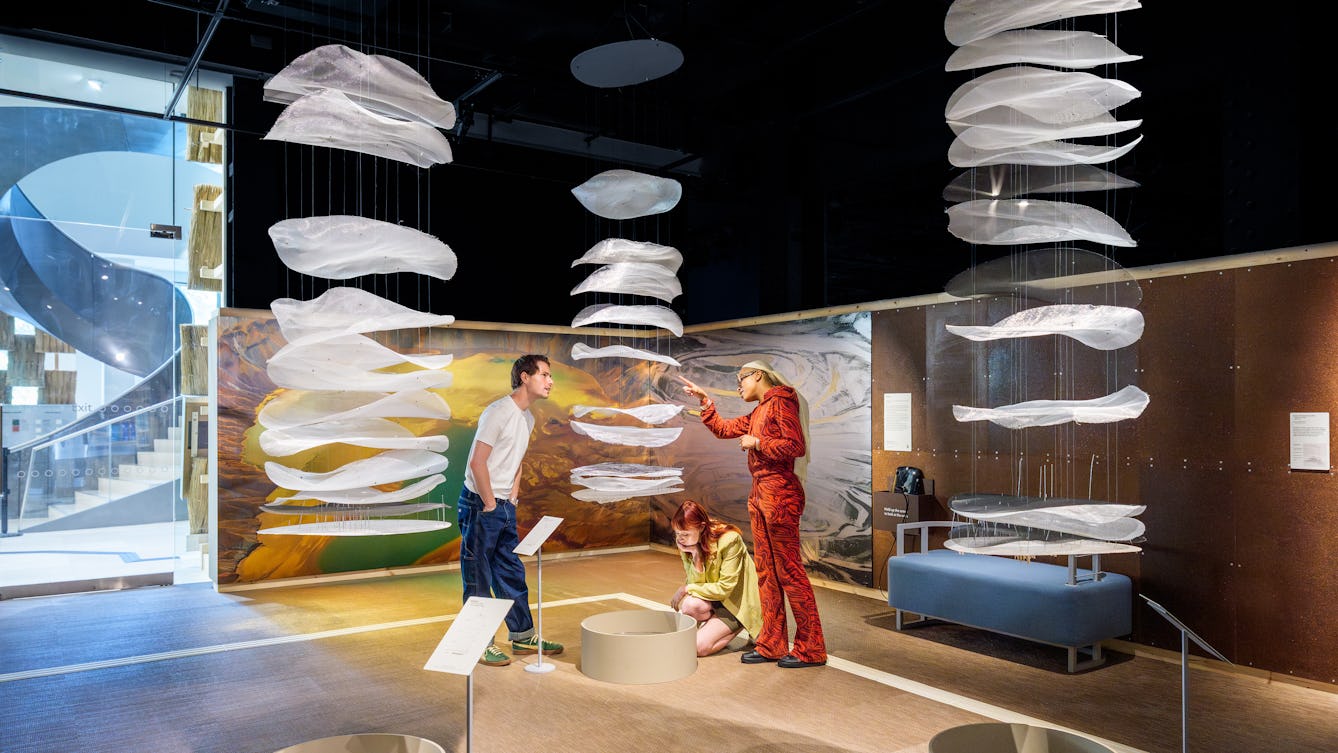
‘Audrey Amiss: The Surviving Exhibitions’ at Wellcome Collection, Gallery Photo: Benjamin Gilbert. Source: Wellcome Collection. Attribution-NonCommercial 4.0 International (CC BY-NC 4.0).
This exhibition is called ‘Audrey Amiss: The Surviving Exhibitions’.
An exhibition is a collection of things to look at and learn about.
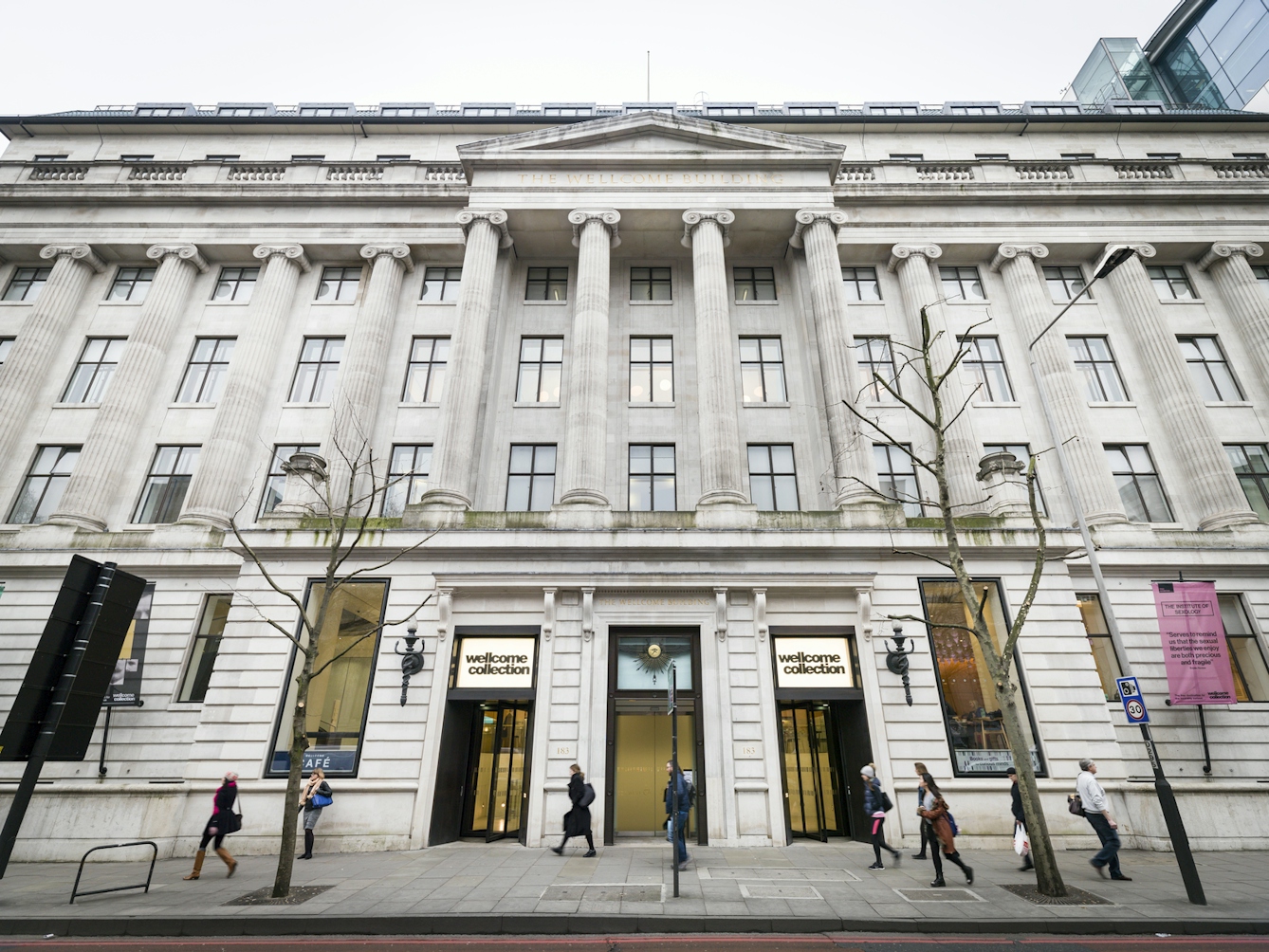
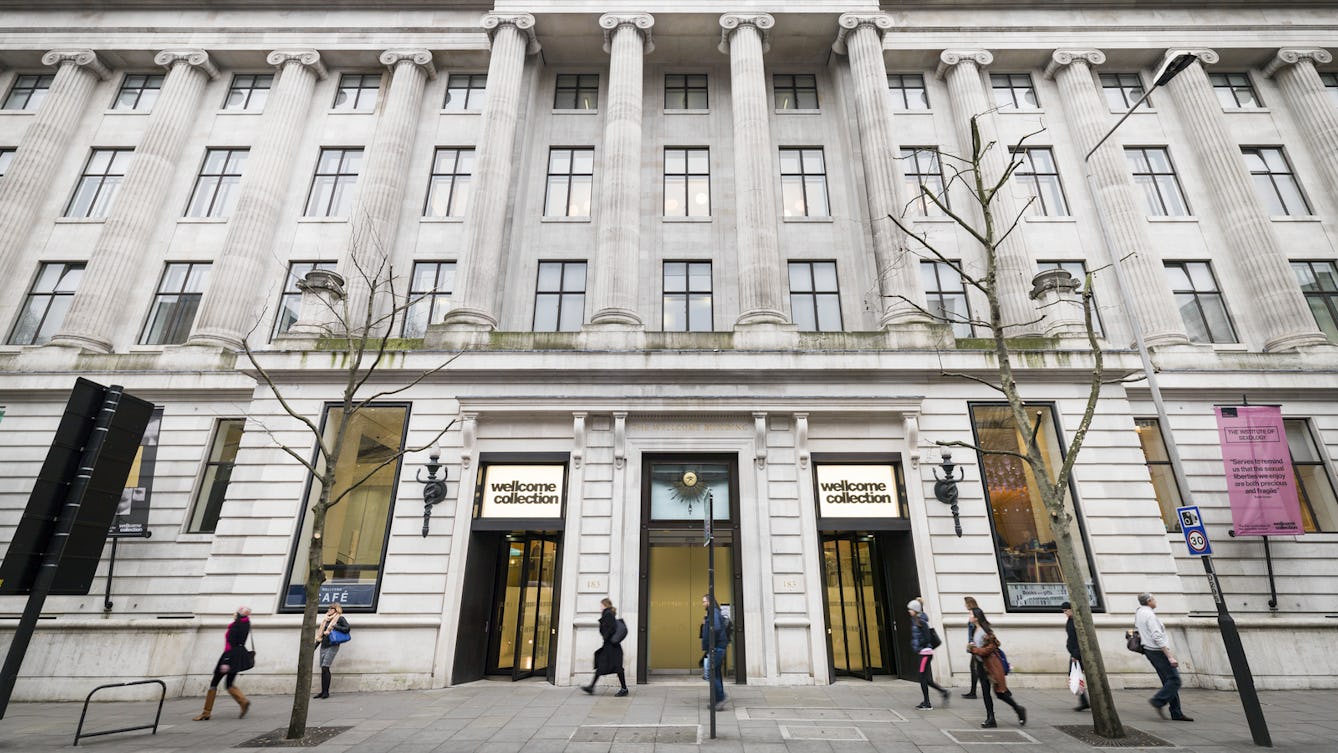
Wellcome Collection building. © Wellcome Collection.
The exhibition is at Wellcome Collection.
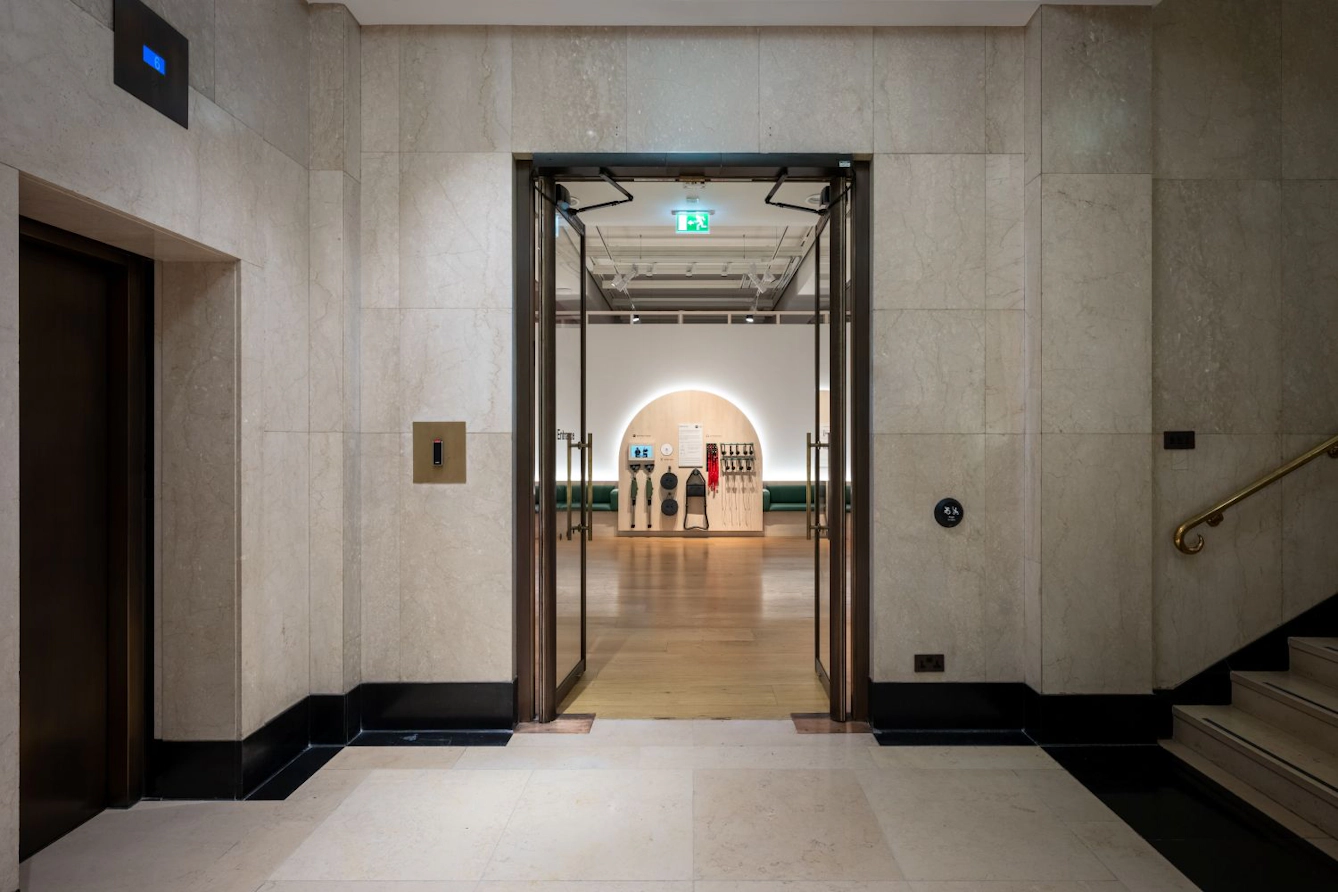
‘Audrey Amiss: The Surviving Exhibitions’ at Wellcome Collection, Gallery Photo: Benjamin Gilbert. Source: Wellcome Collection. Attribution-NonCommercial 4.0 International (CC BY-NC 4.0).
The exhibition is in Gallery 2 on level 1 of our building.

The exhibition starts on Friday 10 July 2026.

The exhibition ends on Sunday 7 February 2027.

You do not have to pay to visit the exhibition.

You do not need to book a ticket. Just turn up.
Visiting Wellcome Collection
For more information about:
- opening times
- accessibility
- travel
click on this link: Visiting Wellcome Collection visual story.
About the exhibition
‘Audrey Amiss: The Surviving Exhibitions’ at Wellcome Collection, Gallery Photo: Benjamin Gilbert. Source: Wellcome Collection. Attribution-NonCommercial 4.0 International (CC BY-NC 4.0).
Audrey Amiss was an artist. ‘Audrey Amiss: The Surviving Exhibitions’ is an exhibition of her artwork.
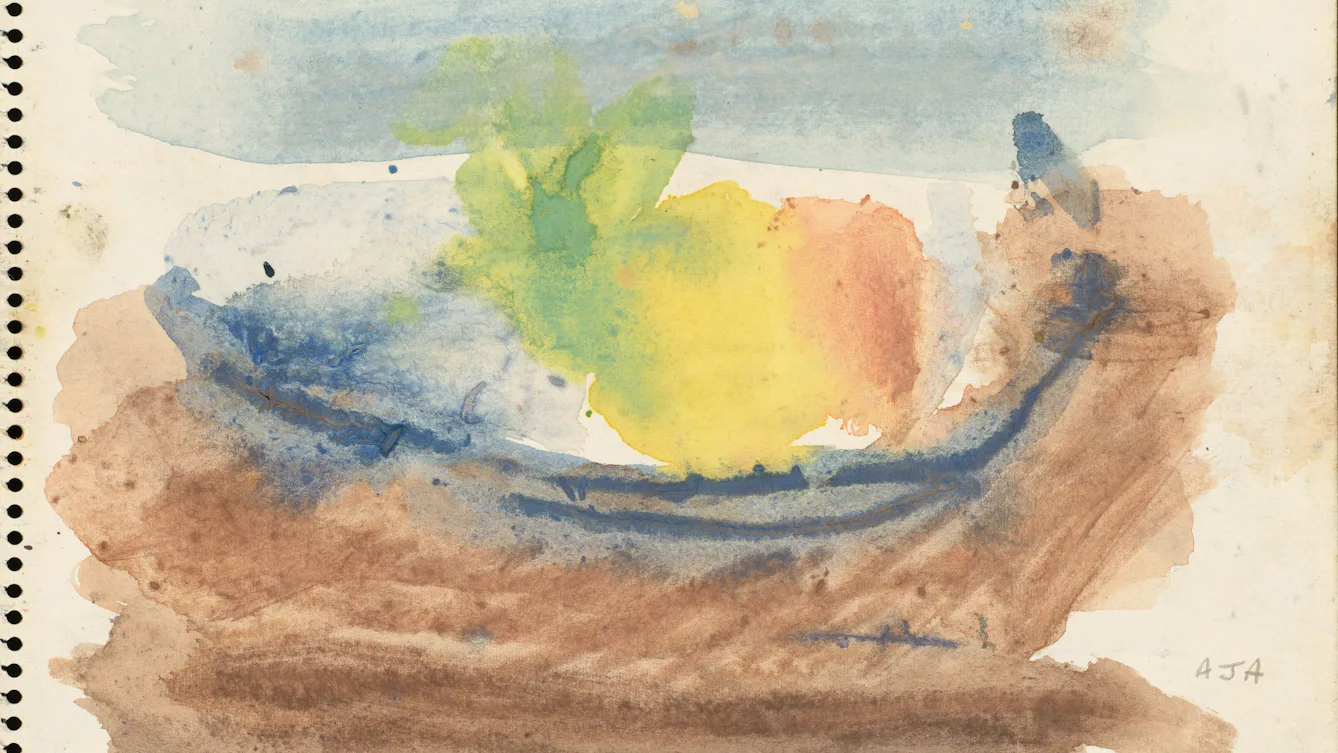
Audrey made many artworks, like paintings and drawings. She made art by looking closely at the world around her.
Audrey organised her own art exhibitions.
We have made our exhibition to be like the exhibitions Audrey did in the past.
Audrey experienced mental health problems. Mental health is about how we think and feel.
Sometimes people need extra support with their mental health. This is called mental health care. Mental health care can include help from doctors, nurses and hospitals.
Audrey was in hospital many times. Audrey had difficult experiences of mental health care. This made Audrey want things to change for her and for other people. She joined protests and wrote letters to people in charge.
Audrey died in 2013. After Audrey died, her artworks were given to Wellcome Collection by her family. This exhibition displays these artworks. The exhibition asks us to think about mental health care.
‘Audrey Amiss: The Surviving Exhibitions’ at Wellcome Collection, Gallery Photo: Benjamin Gilbert. Source: Wellcome Collection. Attribution-NonCommercial 4.0 International (CC BY-NC 4.0).
The exhibition is in Gallery 2 on level 1.
What is in the exhibition
There are different things to look at, listen to and touch in the exhibition. These include:
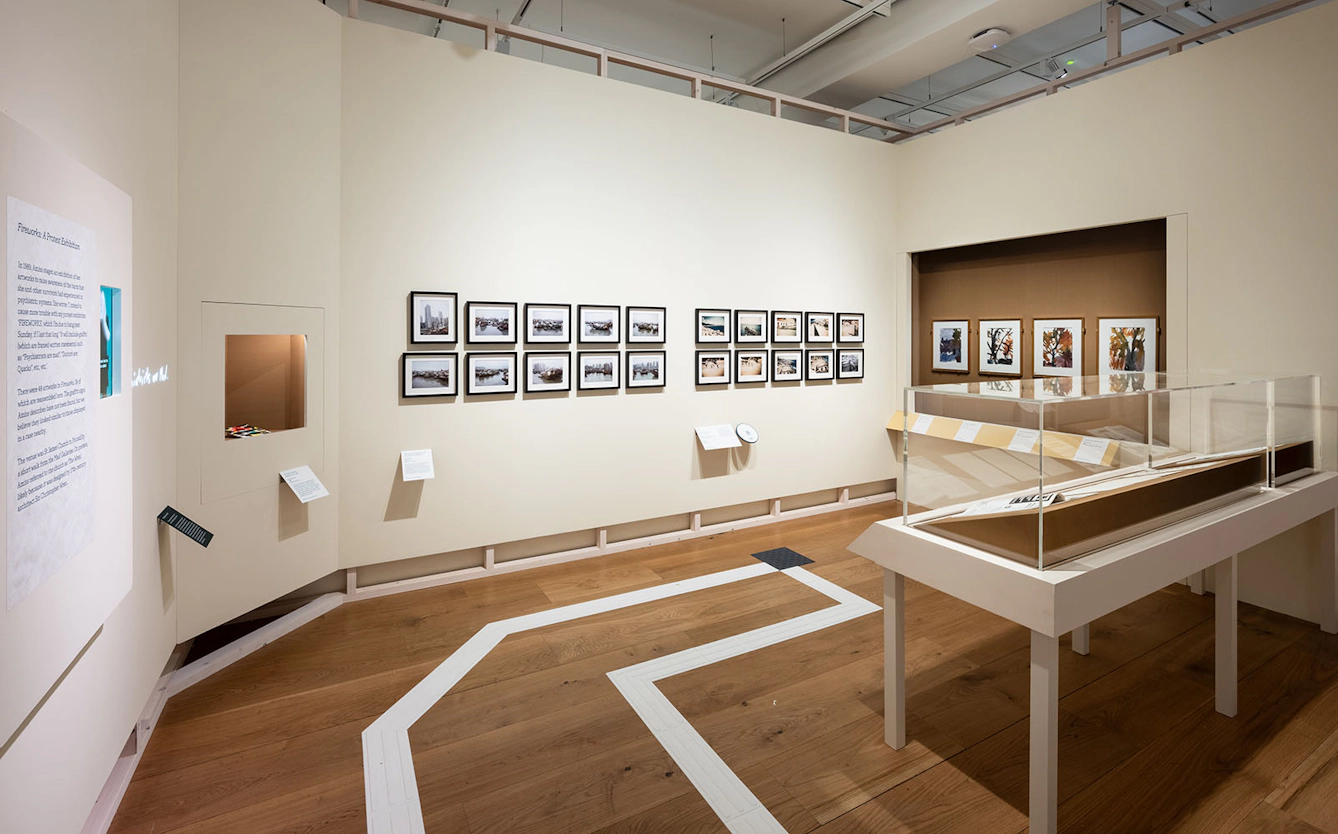
‘Audrey Amiss: The Surviving Exhibitions’ at Wellcome Collection, Gallery Photo: Benjamin Gilbert., Source: Wellcome Collection.. Attribution-NonCommercial 4.0 International (CC BY-NC 4.0).
- photographs
- paintings and drawings
- a film
- posters.
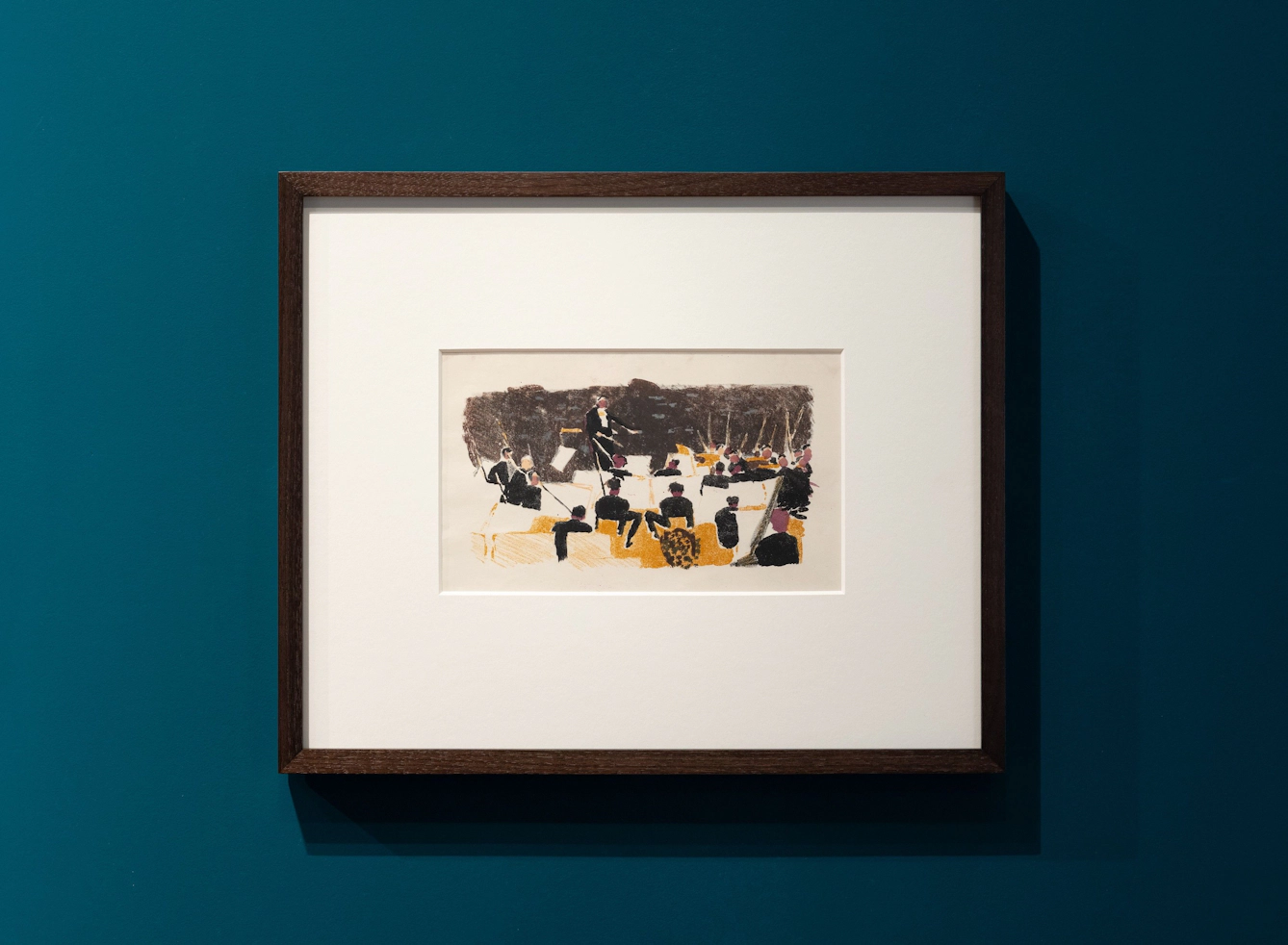
‘Orchestra’, Audrey Amiss, c. 1950s. ‘Audrey Amiss: The Surviving Exhibitions’ at Wellcome Collection, Gallery Photo: Benjamin Gilbert. Source: Wellcome Collection. Attribution-NonCommercial 4.0 International (CC BY-NC 4.0).
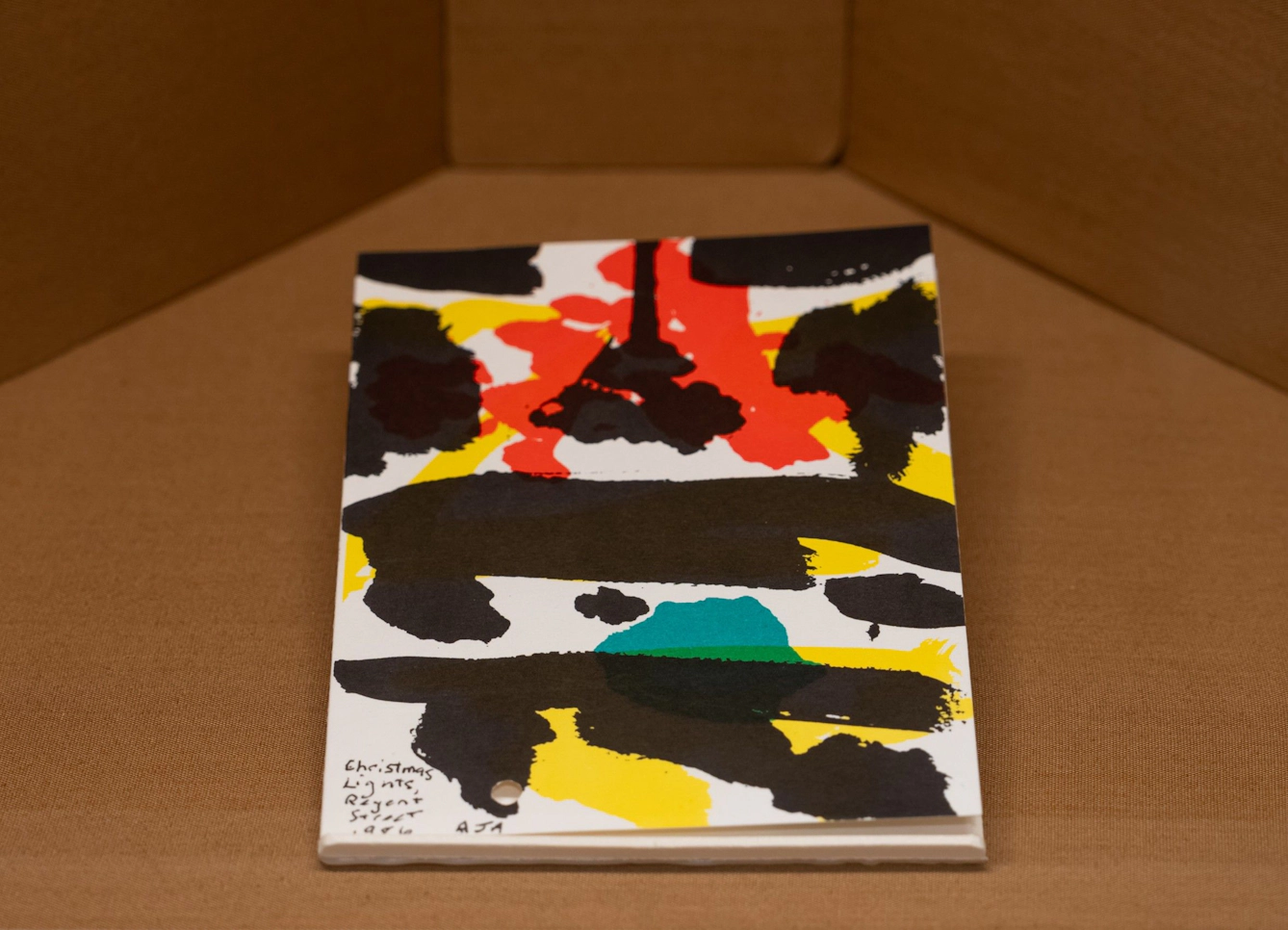
‘Christmas Lights, Regent Street, 1986’, Audrey Amiss, 1986. ‘Audrey Amiss: The Surviving Exhibitions’ at Wellcome Collection, Gallery Photo: Benjamin Gilbert. Source: Wellcome Collection. Attribution-NonCommercial 4.0 International (CC BY-NC 4.0).

Some of the things in this exhibition are about:
- Mental illness. Illness can affect the body or the mind. Mental illness affects the mind. It can change how someone feels, thinks or acts.
- Discrimination. Discrimination is when someone is treated unfairly because of who they are. For example, because of their age, disability, race or gender.
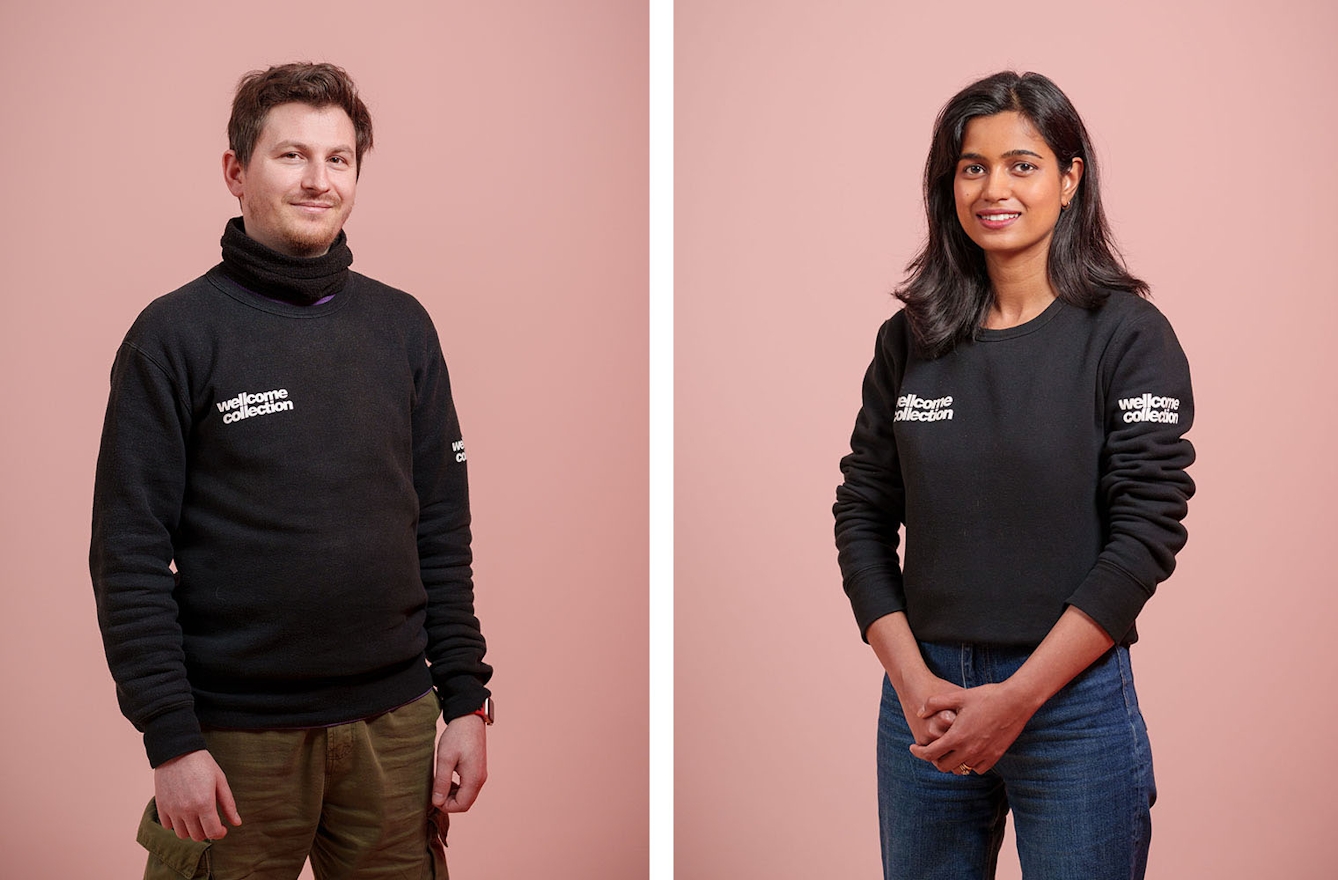
Visitor Experience Assistants. Source: Wellcome Collection. Attribution-NonCommercial 4.0 International (CC BY-NC 4.0).
If you need any help, you can speak to a member of our team.
Sensory information

You cannot eat or drink in the exhibition.

But you can breastfeed or bottle-feed babies.
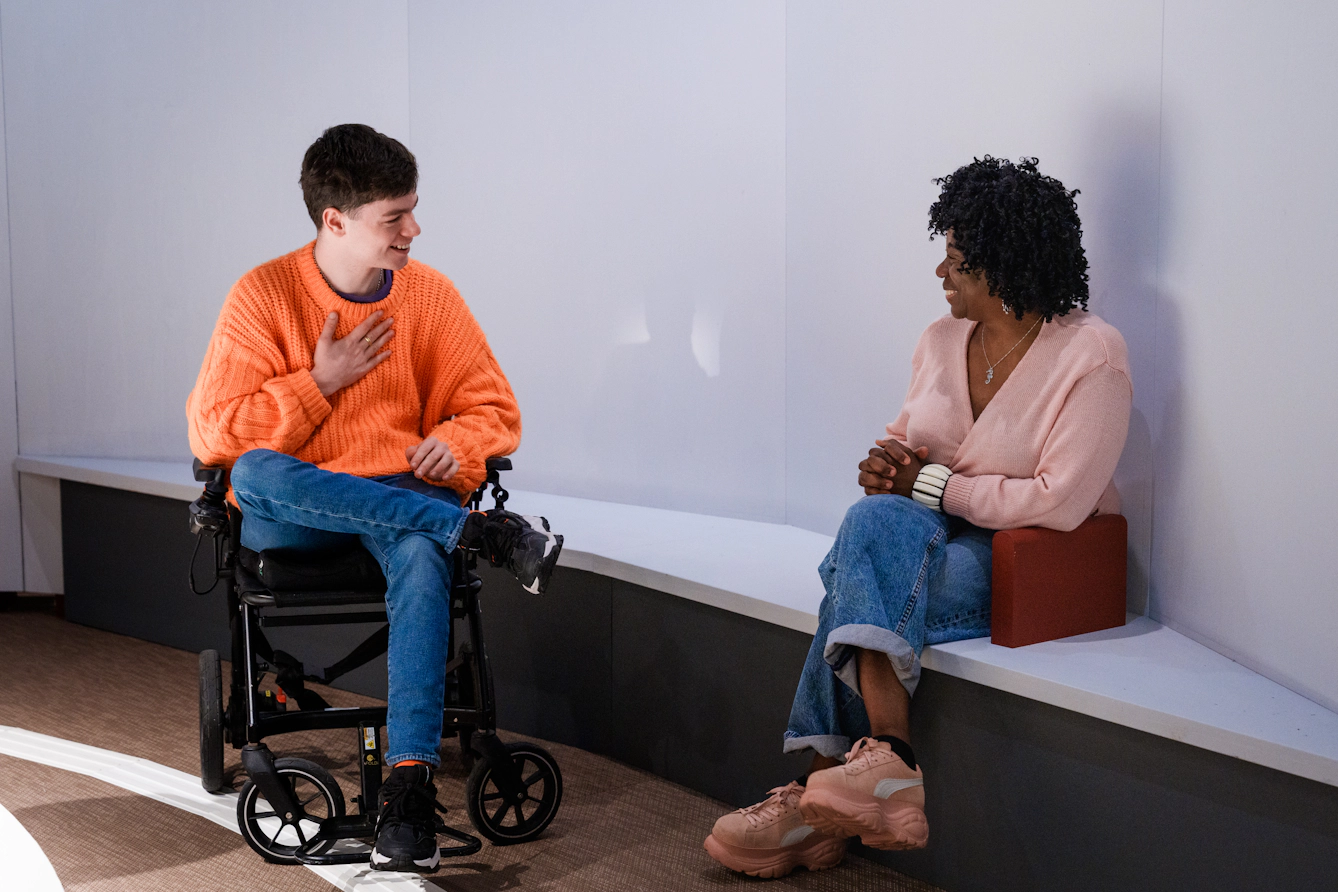
‘The Coming of Age’ exhibition at Wellcome Collection, Gallery Photo: Steven Pocock. Source: Wellcome Collection. Attribution-NonCommercial 4.0 International (CC BY-NC 4.0).
People sometimes speak quietly at an exhibition. But you do not have to speak quietly.

The lights are not very bright in the exhibition. Bright light will damage the artworks.
This exhibition has:

- Seating.
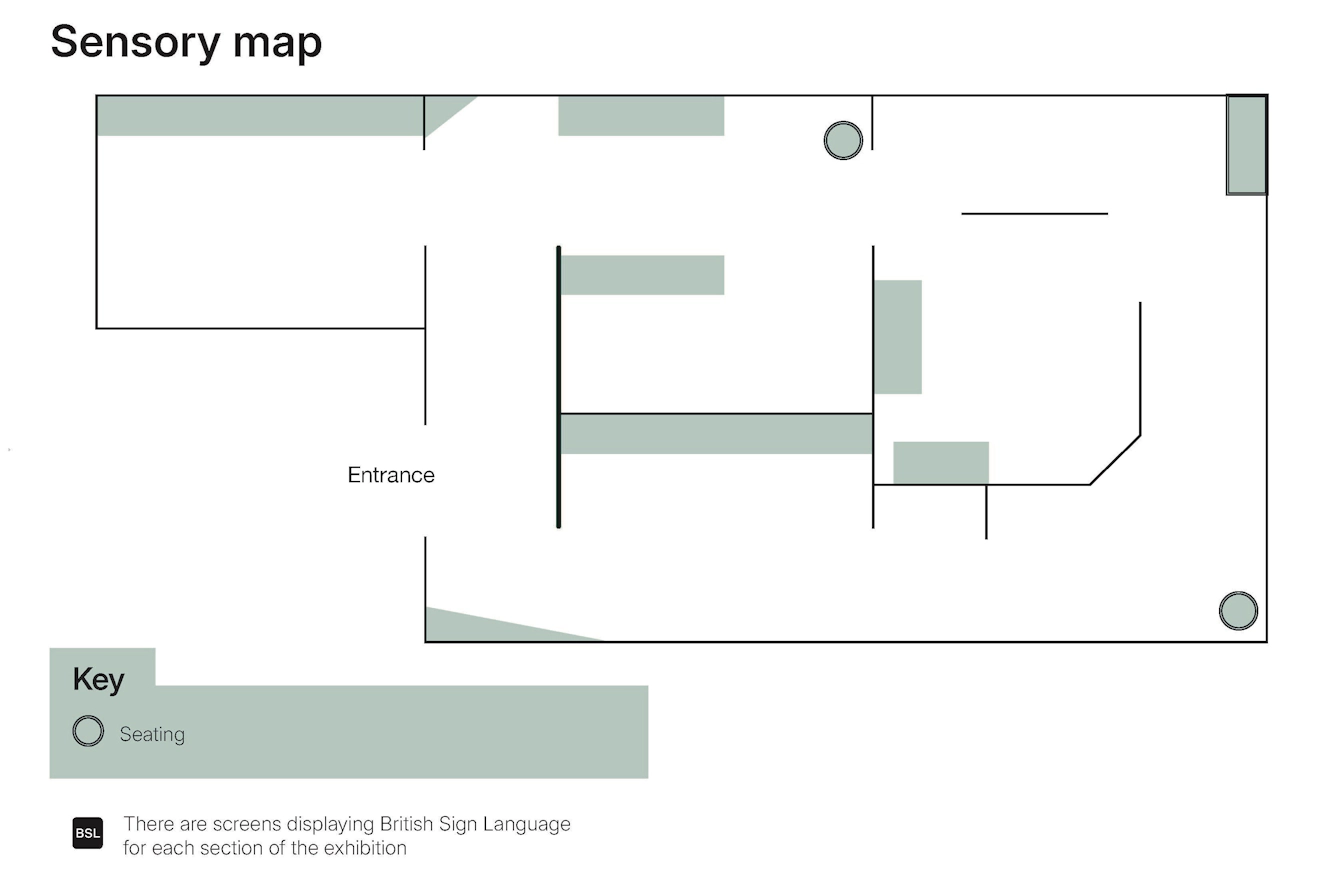
The sensory map shows you where these things are.
We will tell you more about them later in this visual story.
What is in section 1
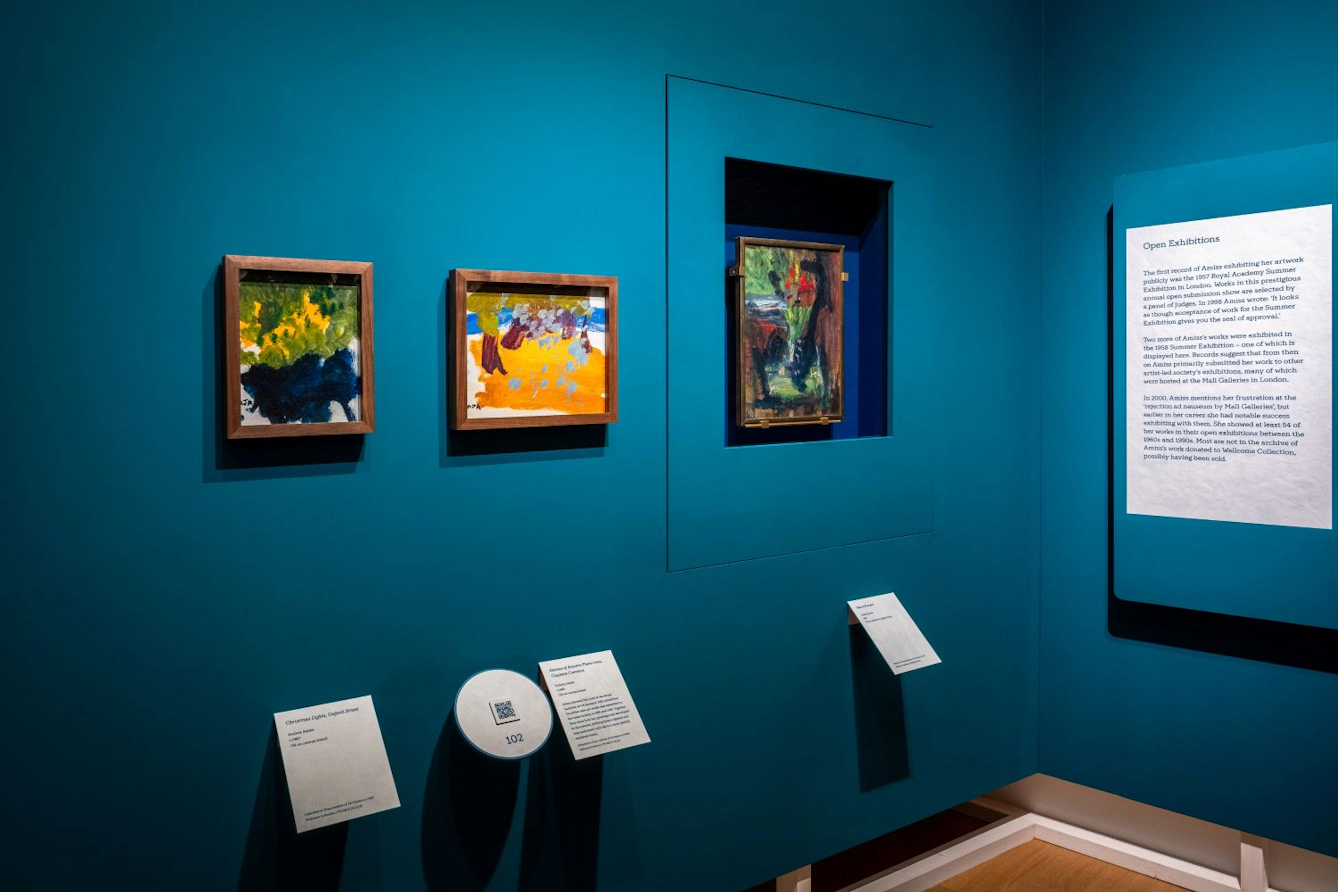
‘Audrey Amiss: The Surviving Exhibitions’ at Wellcome Collection, Gallery Photo: Benjamin Gilbert. Source: Wellcome Collection. Attribution-NonCommercial 4.0 International (CC BY-NC 4.0).
Section 1 is called ‘Open Exhibitions’.
Audrey Amiss was an artist. We think she first showed her artwork in public in 1957. She showed it at the Royal Academy Summer Exhibition in London. This is a well-known exhibition.
For this exhibition artists send in their work. Judges choose which artworks to show. The exhibition happens every year.
Audrey showed more work at the Summer Exhibition in 1958. One of these artworks is shown here.
Audrey showed artworks in lots of different exhibitions. Sometimes people would buy the artworks they liked. That is why we do not have all of them on display here.
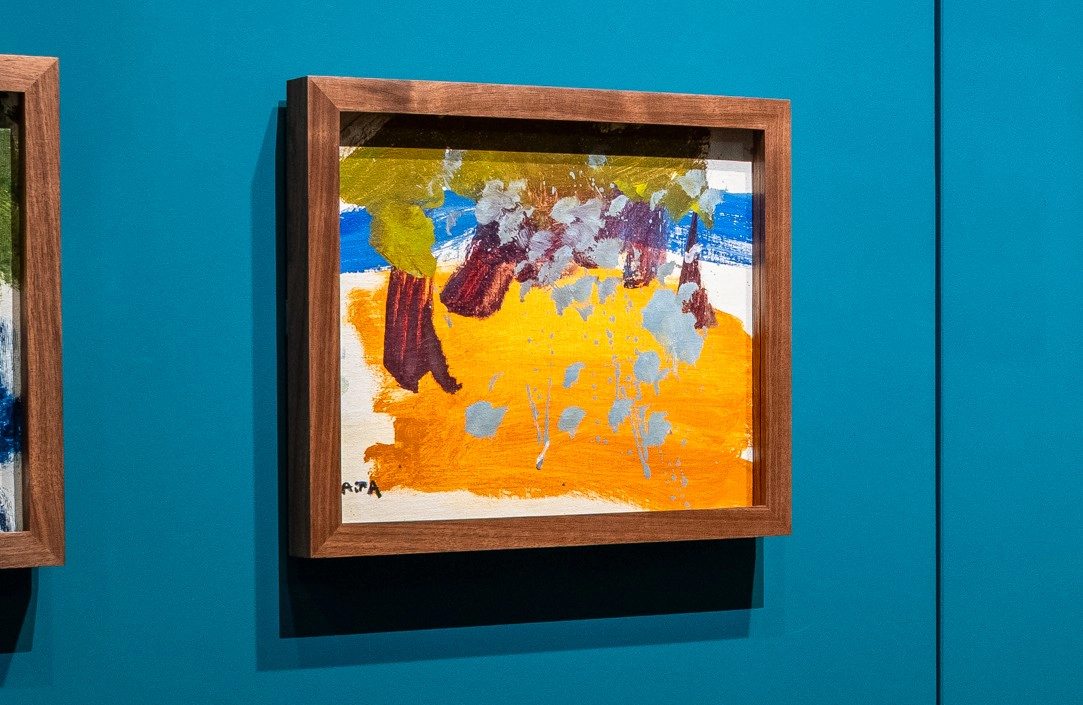
‘Avenue of Autumn Plane-trees, Clapham Common’, Audrey Amiss, 1983. ‘Audrey Amiss: The Surviving Exhibitions’ at Wellcome Collection, Gallery Photo: Benjamin Gilbert. Source: Wellcome Collection. Attribution-NonCommercial 4.0 International (CC BY-NC 4.0).
‘Avenue of Autumn Plane-trees, Clapham Common’ by Audrey Amiss
Audrey made this painting in 1983. It was shown at a big group exhibition. The exhibition was at the Royal Institute of Oil Painters in London.
This painting is of a row of trees. It is quite abstract. Abstract art does not try to look exactly like real life. Sometimes abstract art reminds us of the feeling we get when we look at something in real life.
What is in section 2
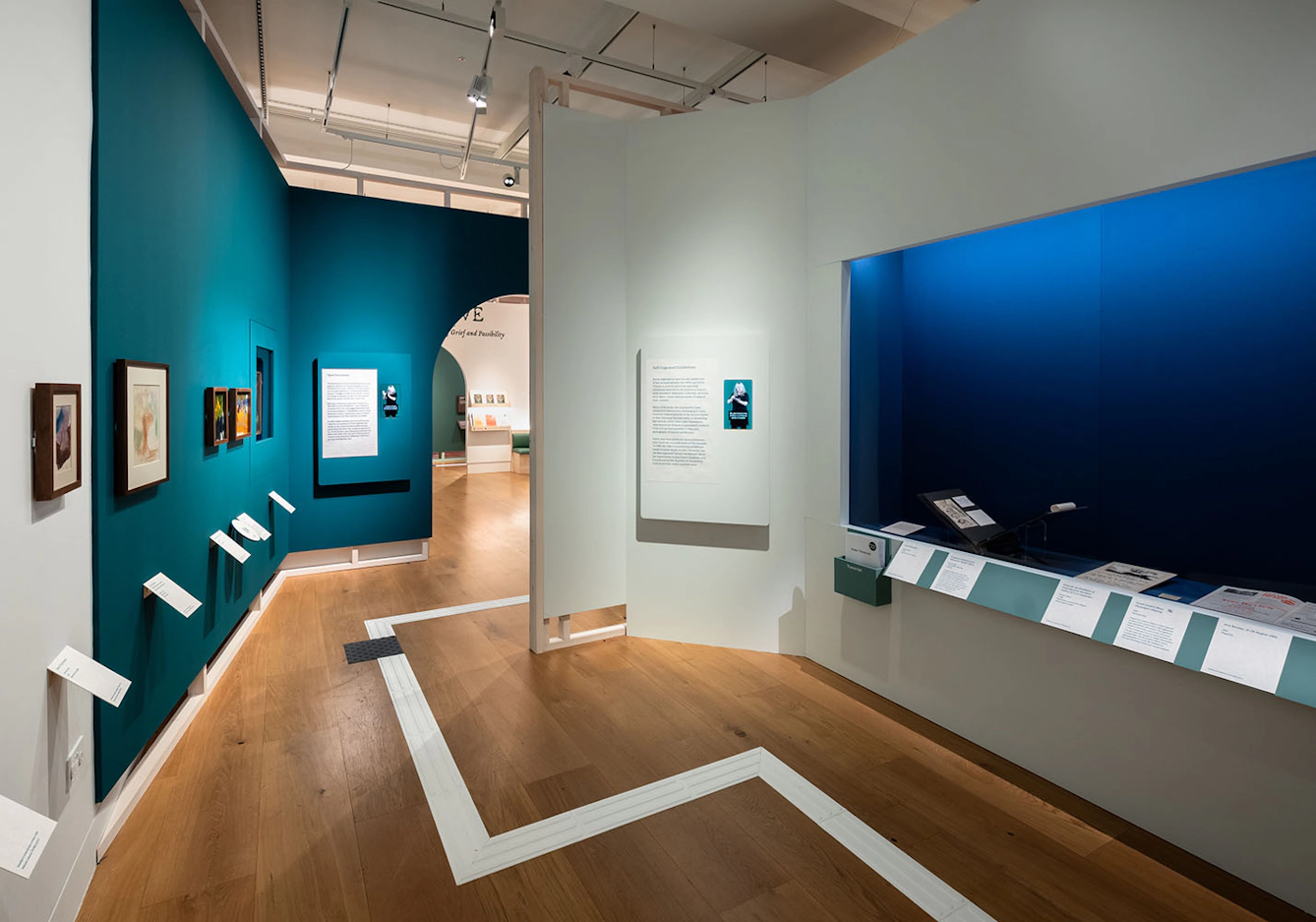
‘Audrey Amiss: The Surviving Exhibitions’ at Wellcome Collection, Gallery Photo: Benjamin Gilbert., Source: Wellcome Collection.. Attribution-NonCommercial 4.0 International (CC BY-NC 4.0).
Section 2 is called ‘Self-Organised Exhibitions’.
Audrey sometimes organised her own exhibitions. She made at least 6 of her own exhibitions between the 1980s and 2000s.
We cannot find all of the artworks Audrey showed in her exhibitions. Some of the artworks are in our exhibition. Some of the artworks might have been sold to other people.
Some of the exhibitions Audrey did were about her artwork. Some of Audrey’s exhibitions were about the need for better mental health care. Mental health care is how we support people with their mental health.
We know about Audrey’s exhibitions from things Audrey left behind. Audrey wrote and kept a lot of papers about her life and work, like:
- her diary
- letters
- price lists.
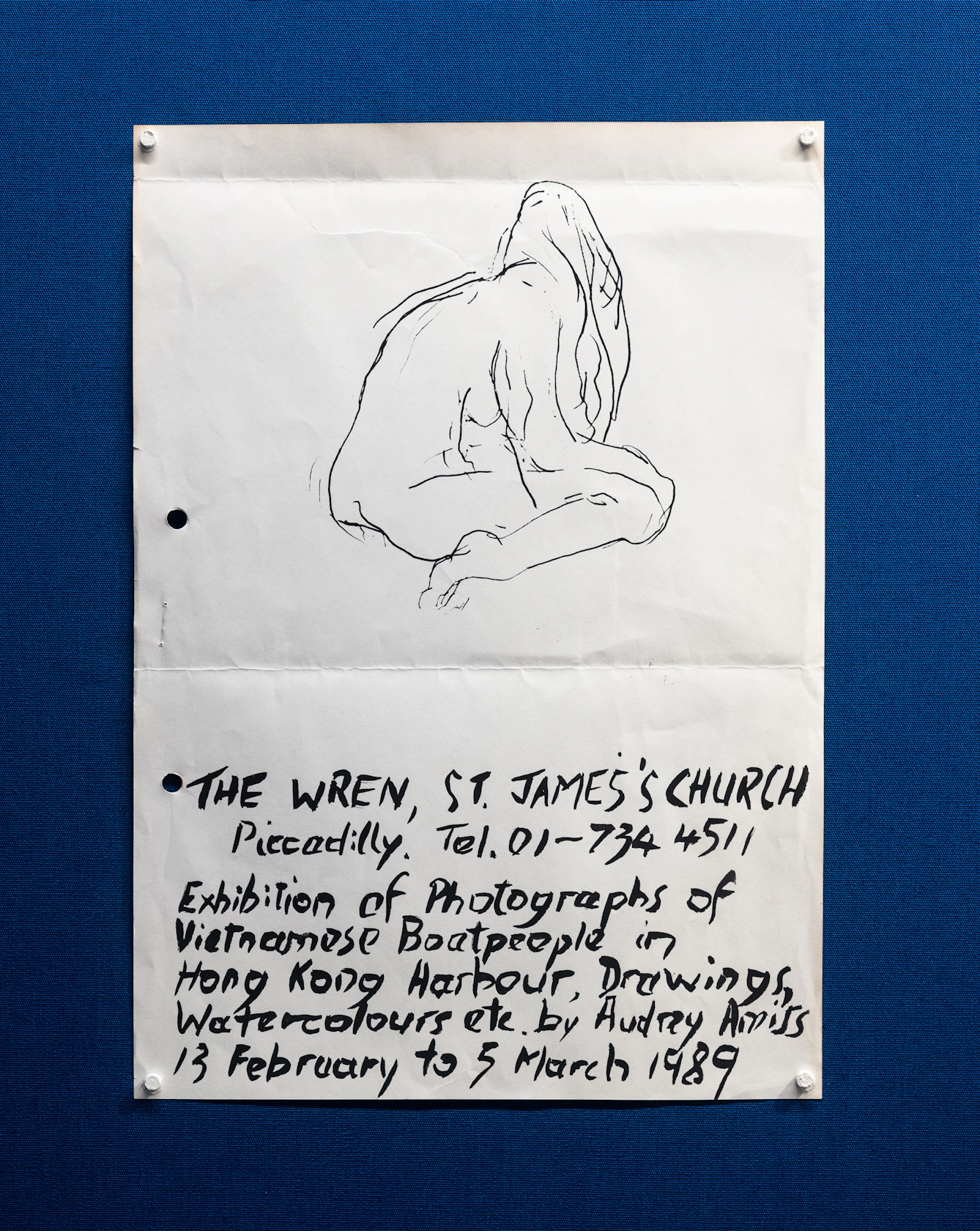
'Poster for ‘Fireworks: A Protest Exhibition’, The Wren, St James’ Church, 13 February–5 March 1989', Audrey Amiss, 1989. ‘Audrey Amiss: The Surviving Exhibitions’ at Wellcome Collection, Gallery Photo: Benjamin Gilbert., Source: Wellcome Collection.. Attribution-NonCommercial 4.0 International (CC BY-NC 4.0).
‘Poster for Fireworks: A Protest Exhibition’ by Audrey Amiss
This is a poster is for one of Audrey’s exhibitions. Audrey made the poster herself. The poster has a drawing of a naked woman on it.
The exhibition was about Audrey’s experiences of mental health care. Audrey described herself as a mental health survivor. Mental health survivor means someone who has lived through mental health problems and treatment.
Audrey called this exhibition a protest exhibition. A protest means showing you do not agree with something and want change.
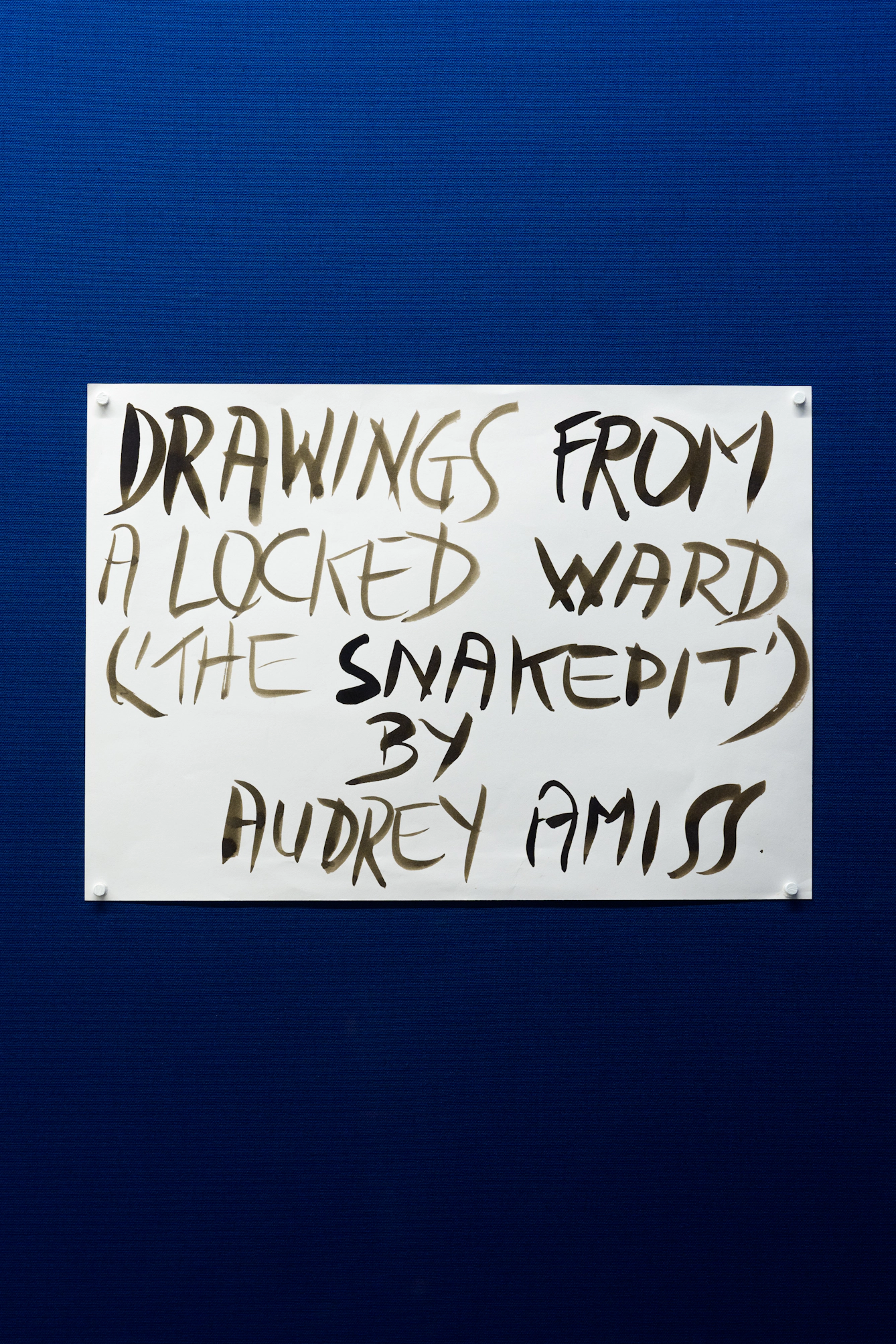
'Poster for ‘Drawings from a Locked Ward (“The Snakepit”)’, Audrey Amiss, 2002..
Poster for ‘Drawings from a Locked Ward (The Snakepit)’ by Audrey Amiss
This a poster Audrey made for an exhibition called ‘Drawings from a Locked Ward (The Snakepit)’. A locked ward is part of a hospital. People who need mental health care are sometimes put in locked wards. Locked wards have locked doors and people are not allowed to leave freely.
Audrey experienced mental health problems. She was made to stay in a locked ward. Audrey made artworks while she was in the locked ward. Then she showed these artworks in this exhibition.
What is in section 3
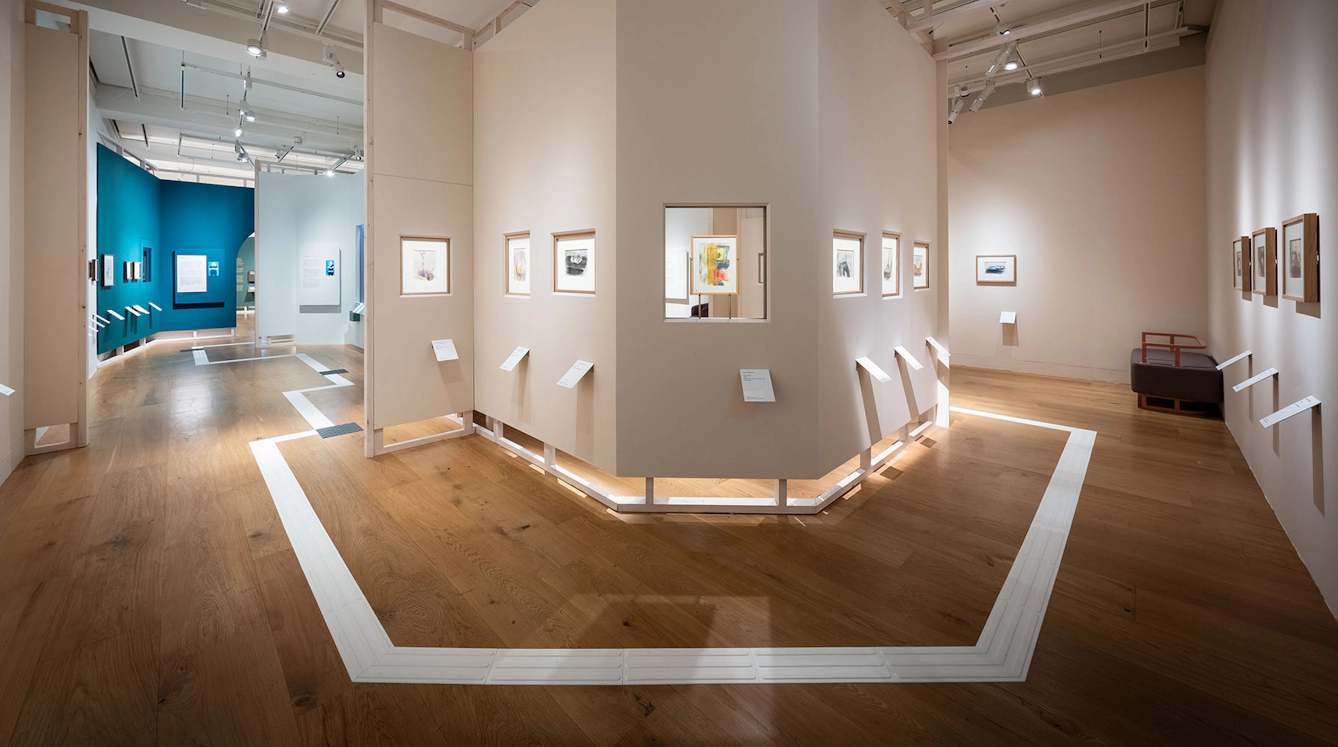
‘Audrey Amiss: The Surviving Exhibitions’ at Wellcome Collection, Gallery Photo: Benjamin Gilbert., Source: Wellcome Collection.. Attribution-NonCommercial 4.0 International (CC BY-NC 4.0).
Section 3 is called ‘Drawings and Watercolours from the 1960s’.
In the 1960s artist Audrey had an exhibition. It was called ‘Drawings and Watercolours from the 1960s’. The exhibition was in London.
The exhibition included 30 of Audrey’s artworks. We cannot find all of the artworks Audrey showed in her exhibition. Some of them might have been sold. Here you can see 24 of the artworks.
A lot of the artworks have drawings on both sides. They were made in her sketchbooks. She then tore the pages out.
The artworks show things from Audrey’s daily life like:
- things inside her home
- things she saw outside her window.
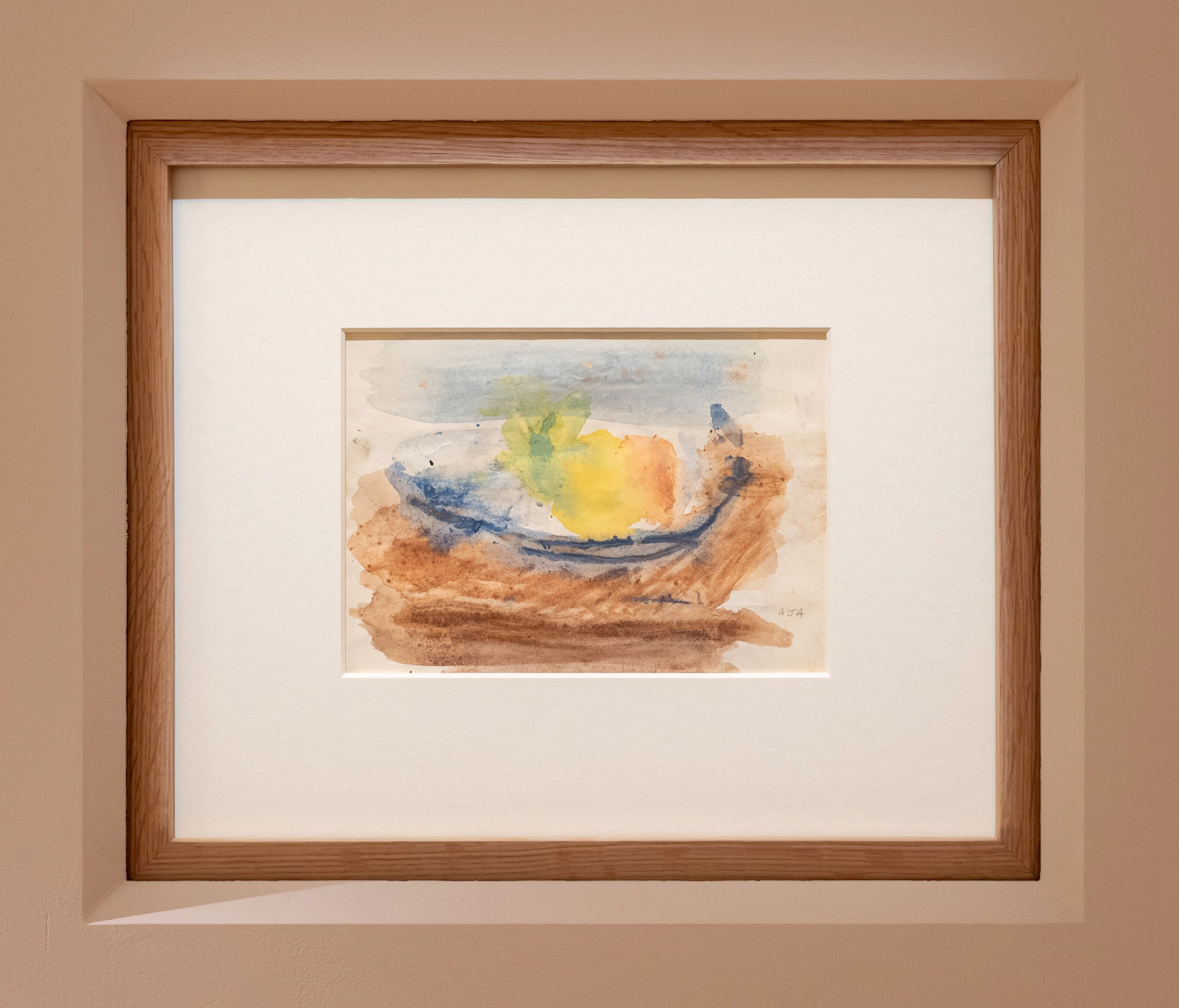
'Front: Dish with Fruit', Audrey Amiss, 1960s. ‘Audrey Amiss: The Surviving Exhibitions’ at Wellcome Collection, Gallery Photo: Benjamin Gilbert., Source: Wellcome Collection.. Attribution-NonCommercial 4.0 International (CC BY-NC 4.0).
‘Dish with Fruit’ by Audrey Amiss
This is a pencil drawing of fruit on a dish. Audrey often drew things from her everyday life.
This drawing has been done on a page in Audrey’s sketchbook. It has then been torn out. Audrey filled many sketchbooks with drawings. Audrey often tore her drawings out so she could display them.
This drawing has another drawing on the other side of the page. If you walk around the wall to your left, you can see the other side. The other side has a drawing of a vase.
What is in section 4
‘Audrey Amiss: The Surviving Exhibitions’ at Wellcome Collection, Gallery Photo: Benjamin Gilbert., Source: Wellcome Collection.. Attribution-NonCommercial 4.0 International (CC BY-NC 4.0).
Section 4 is called ‘Fireworks: A Protest Exhibition’.
Audrey had an exhibition in 1989.
She called it a protest exhibition. A protest is when someone shows they do not agree with something and want change.
Audrey was protesting mental health care. This is the care people receive from doctors, nurses and hospitals for mental health. Audrey did this because she had experienced harm in mental health care. Audrey also knew other people had experienced harm.
Audrey’s exhibition had 49 artworks. We cannot find all of the artworks Audrey showed in her exhibition. Some of them might have been sold. 26 of these are shown here. The artworks include paintings, drawings and photographs.
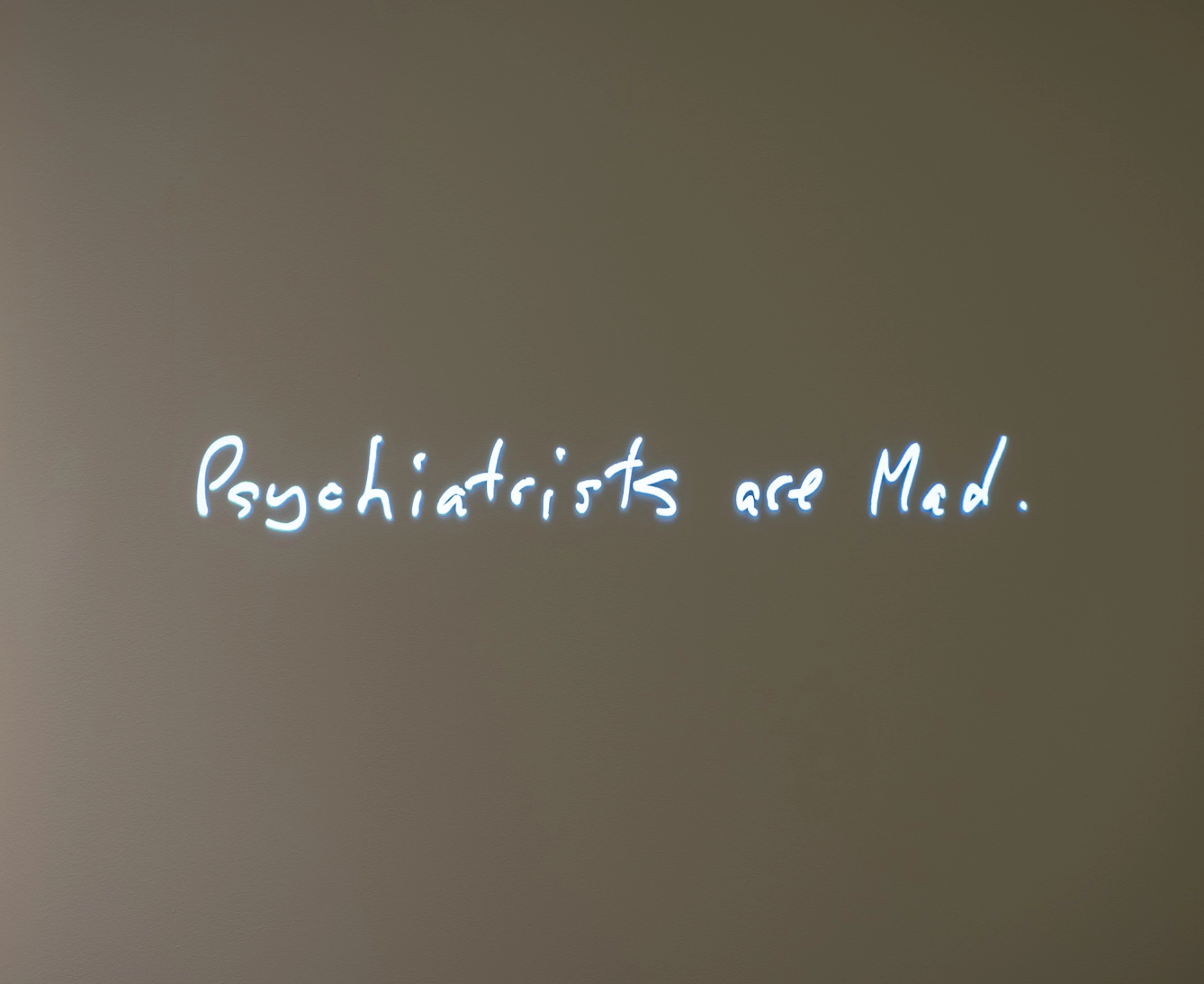
'Psychiatrists are Mad'. ‘Audrey Amiss: The Surviving Exhibitions’ at Wellcome Collection, Gallery Photo: Benjamin Gilbert., Source: Wellcome Collection.. Attribution-NonCommercial 4.0 International (CC BY-NC 4.0).
‘Psychiatrists are Mad’ by Audrey Amiss
One of the artworks in Audrey’s exhibitions was a hand-painted sign. We cannot find the original. Here we are showing what it looks like using a projection.
The sign says ‘Psychiatrists are Mad’. The word ‘mad’ is sometimes used negatively about people with mental health problems.
Audrey is using the word mad about psychiatrists. She is saying that their behaviour is not sensible.
Audrey also used the word mad in a positive way.
What is in section 5
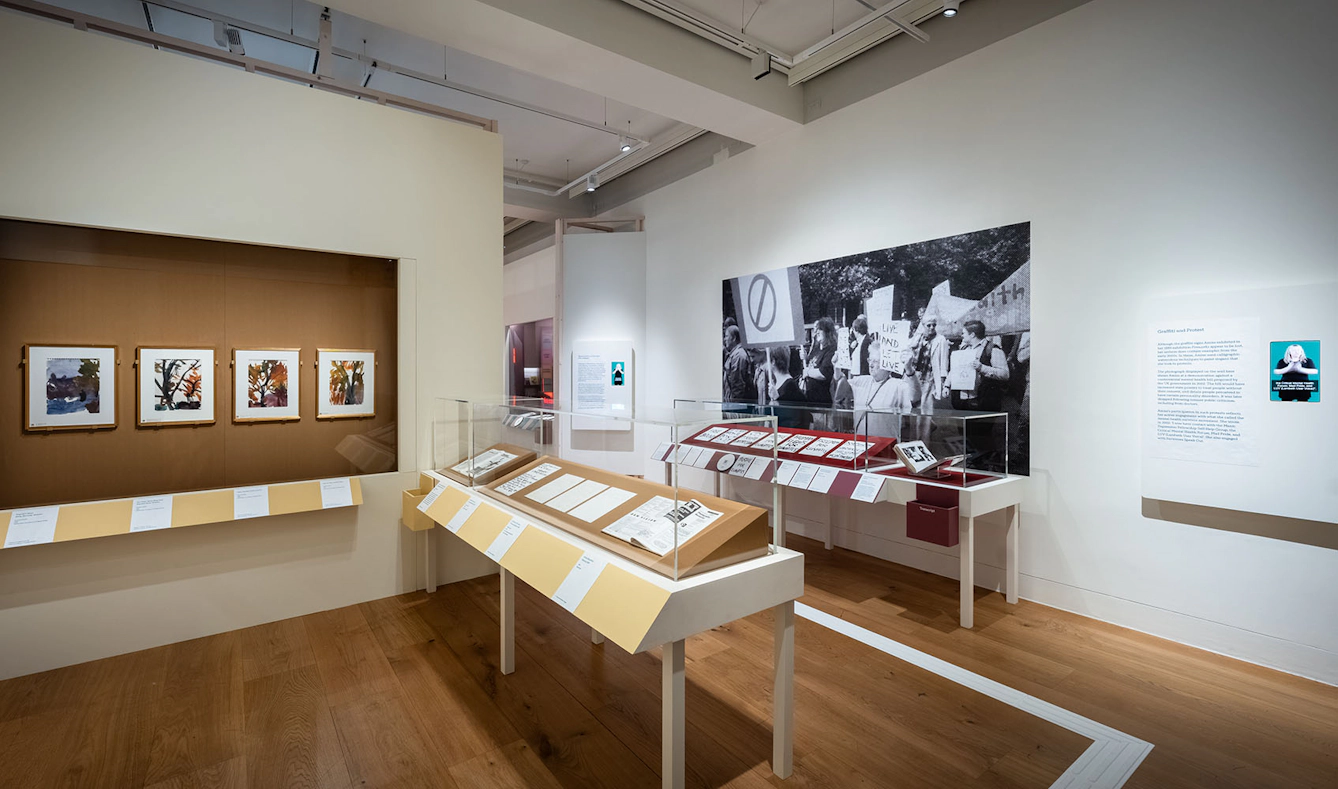
‘Audrey Amiss: The Surviving Exhibitions’ at Wellcome Collection, Gallery Photo: Benjamin Gilbert., Source: Wellcome Collection.. Attribution-NonCommercial 4.0 International (CC BY-NC 4.0).
Section 5 is called ‘Graffiti Signs’.
Audrey sometimes made hand-painted signs as artworks. She called these graffiti signs. She also made graffiti signs to hold at protests. Protests are events that people go to when they want to ask for change.
Audrey went to protests to ask for mental health care change. This section has a photograph of Audrey at one of these protests in 2002.
Sometimes Audrey’s signs use language that we might not use any more. One of her signs uses the word lunatics. Lunatics is a word that people used in the past about people with mental health problems. Calling someone a lunatic is seen as negative. When Audrey used the word lunatics, she was trying to make it positive.
‘Audrey Amiss at demonstration against the Mental Health Bill’ by Yan Weaver
This is a photograph of Audrey at a protest. Protests are events that people go to when they want to ask for change. Audrey is protesting for better mental health care.
Audrey is holding a poster. The poster says “live and let live”. Live and let live means to let everyone live how they want to.
Audrey was asking for people with mental health problems to be allowed to live the lives they want to.
What is in section 6
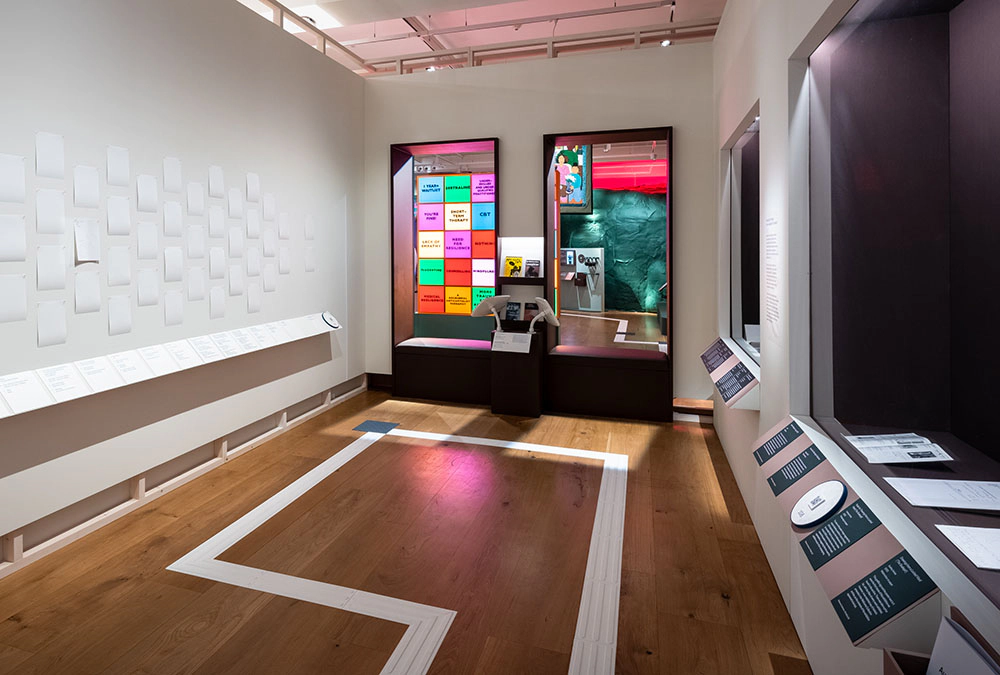
‘Audrey Amiss: The Surviving Exhibitions’ at Wellcome Collection, Gallery Photo: Benjamin Gilbert., Source: Wellcome Collection.. Attribution-NonCommercial 4.0 International (CC BY-NC 4.0).
Section 6 is called ‘Drawings from a Locked Ward (The Snakepit)’.
‘Drawings from a Locked Ward (The Snakepit)’ was an exhibition by artist Audrey Amiss.
In this exhibition, Audrey showed artwork about her experiences of mental health care. She also wanted to support other people who had similar experiences.
We are not sure where some of the artworks are now. But we have photocopies of the missing ones.
‘NoForce Mental Health Survivors Demonstration 2002’ by unknown filmmaker
Audrey went to protests asking for mental health care change. Protests are events that people go to when they want to ask for change.
This film shows a protest in 2002. Audrey was at this protest. You can see her about 2.5 minutes into the film. The people at the protest are marching, holding signs and drumming.
The signs people are holding have things written on them about mental health care. They are asking for things to be better for people receiving mental health care.
Accessibility in the exhibition
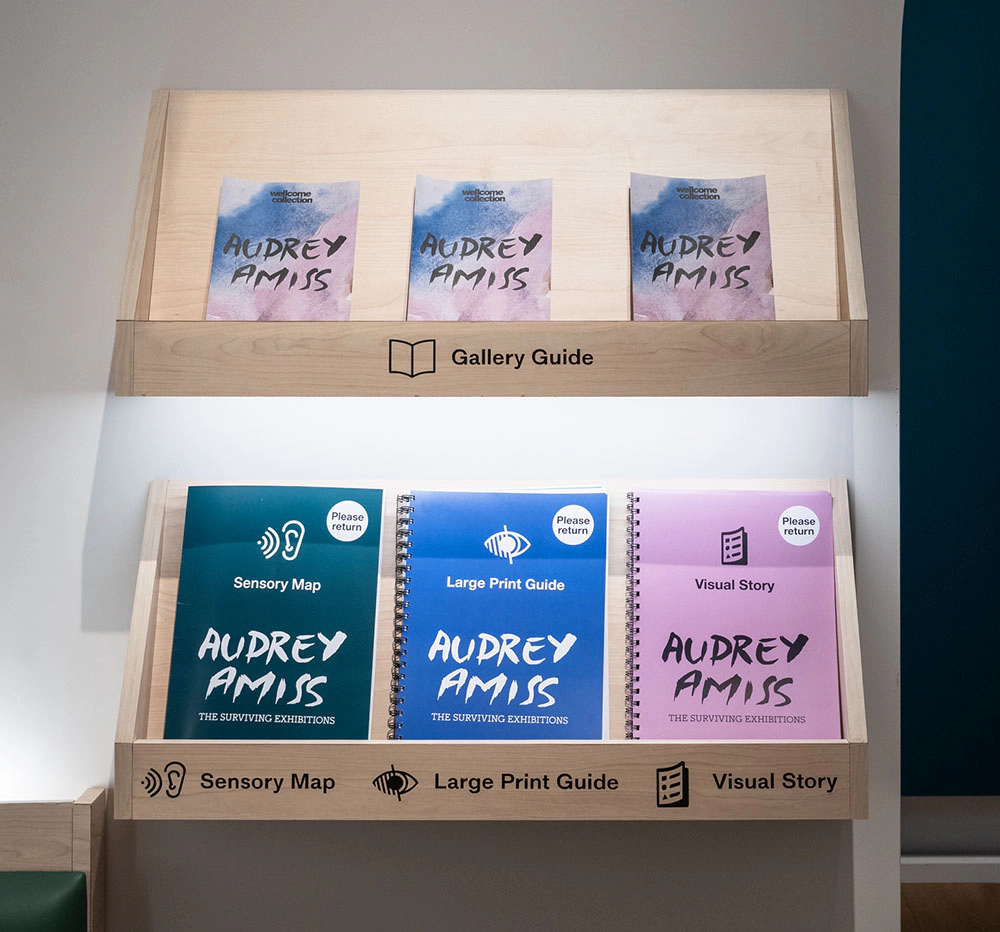
‘Audrey Amiss: The Surviving Exhibitions’ at Wellcome Collection, Gallery Photo: Benjamin Gilbert., Source: Wellcome Collection.. Attribution-NonCommercial 4.0 International (CC BY-NC 4.0).
You can find accessible guides at the start of the exhibition.
The guides are:
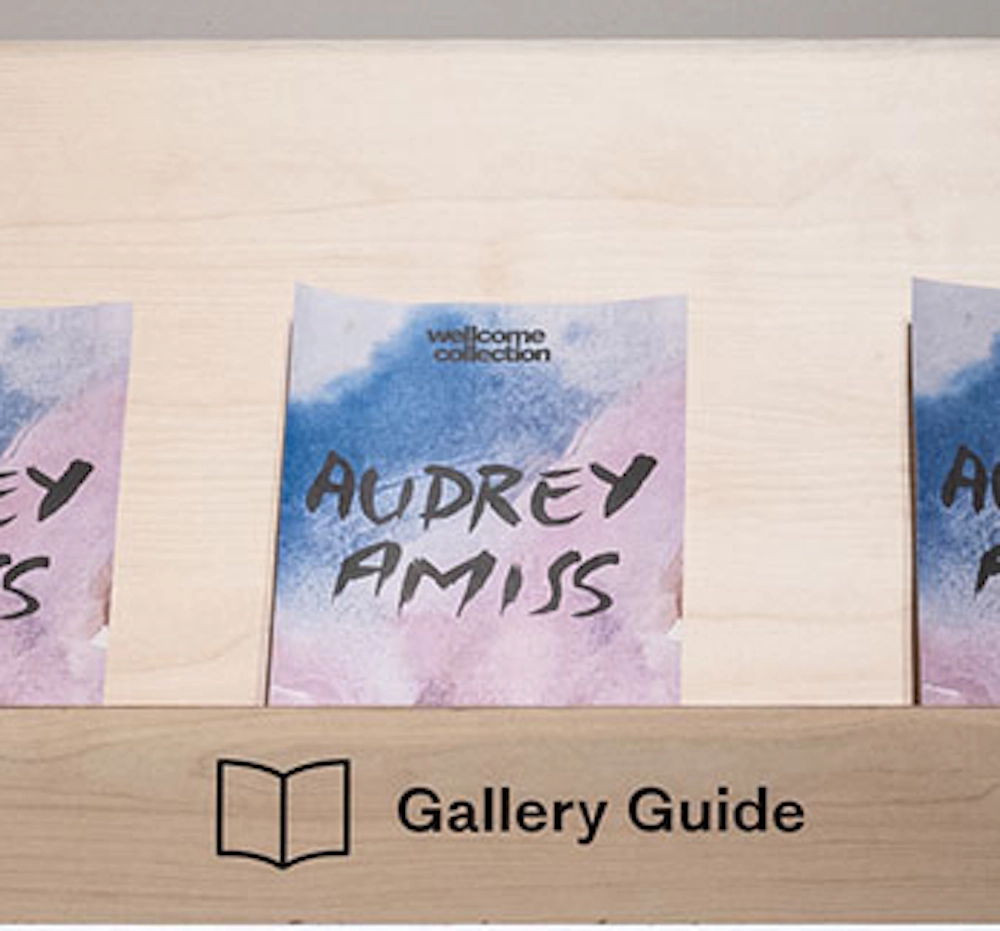
‘Audrey Amiss: The Surviving Exhibitions’ at Wellcome Collection, Gallery Photo: Benjamin Gilbert., Source: Wellcome Collection.. Attribution-NonCommercial 4.0 International (CC BY-NC 4.0).
- a gallery guide with words and pictures
- a large-print guide
- a visual story
- a sensory map.
A sensory map shows you where there are things like:
- bright lights
- seating.
Digital guides


There are 2 digital guides that you can use:
- an audio-described guide to hear what some of the artworks in the exhibition look like
- a British Sign Language guide of videos for people who use BSL.
The digital guides are on our website.

There are 9 stops in the digital guides.
There is a number and a QR code next to each stop in the exhibition. You can scan the QR codes with your phone to get the digital guides.
To scan a QR code:
1) open the camera on your phone
2) point it at the QR code
3) click on the link that appears.
If you do not know how to scan a QR code, we can help you.
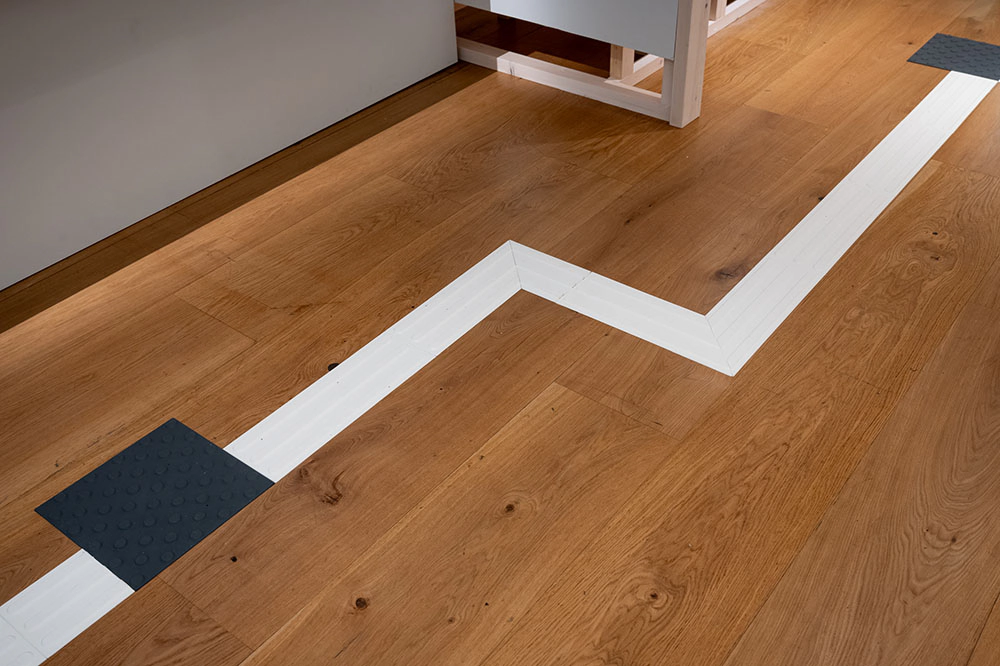
There is a white line on the exhibition floor. Follow the white line to get to each stop.
The white line has a pattern that you can feel with your feet.
If you want to watch the BSL guide on your phone or other device, you can:
1) scan the QR code with your phone camera
2) choose ‘Watch British Sign Language videos’.
If you want to listen to the audio-described guide on your phone or other device, you can:
1) scan the QR code with your phone camera
2) choose ‘Listen to audio’.
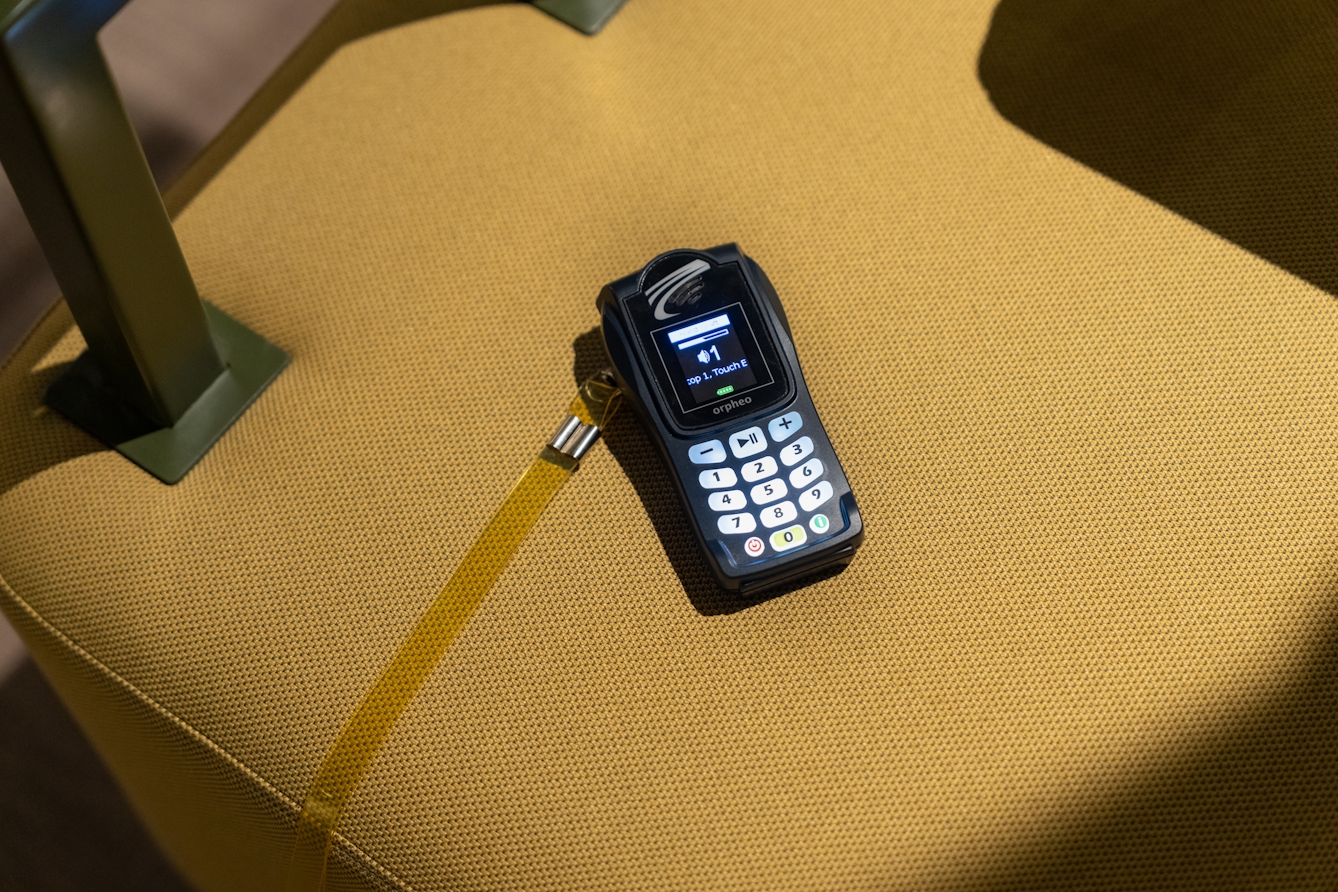
Or you can listen to the audio-described guide by:
1) picking up a touch-button handset in the exhibition
2) pressing the number of the audio stop.
You can also book an audio-described tour. On this tour a member of our team will explain what the things in the exhibition look like. You can look on our website for dates.
If you want an audio-described tour for your visit today, please tell a member of our gallery team.

You can get all the information that is on the exhibition labels and panels by scanning the QR code with your phone. The information can be read by a screen reader.
To scan a QR code:
1) open the camera on your phone
2) point it at the QR code
3) click on the link for ‘read captions and transcripts’.
If you do not know how to scan a QR code, we can help you.

You can use our WiFi for free. To do this, you need to:
1) turn your phone’s WiFi on
2) choose ‘Wellcome Guest’
3) enter your email address
4) choose ‘Connect’ to accept our terms and conditions.
Visitor Experience Assistants. Source: Wellcome Collection. Attribution-NonCommercial 4.0 International (CC BY-NC 4.0).
If you need help with anything, you can ask a member of our gallery team.
Relaxed Openings
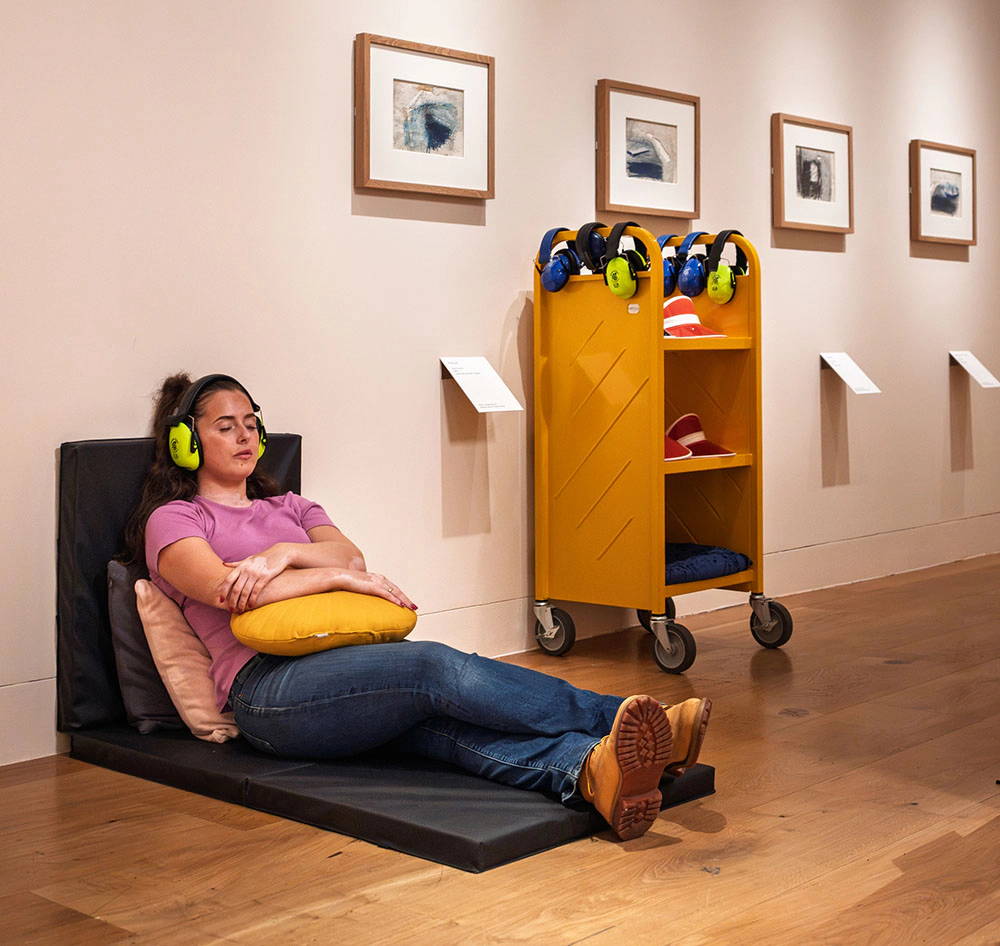
If you need additional support to enjoy this exhibition, join us for a Relaxed Opening. At a Relaxed Opening there will be:
- fewer visitors
- extra gallery staff to help you.
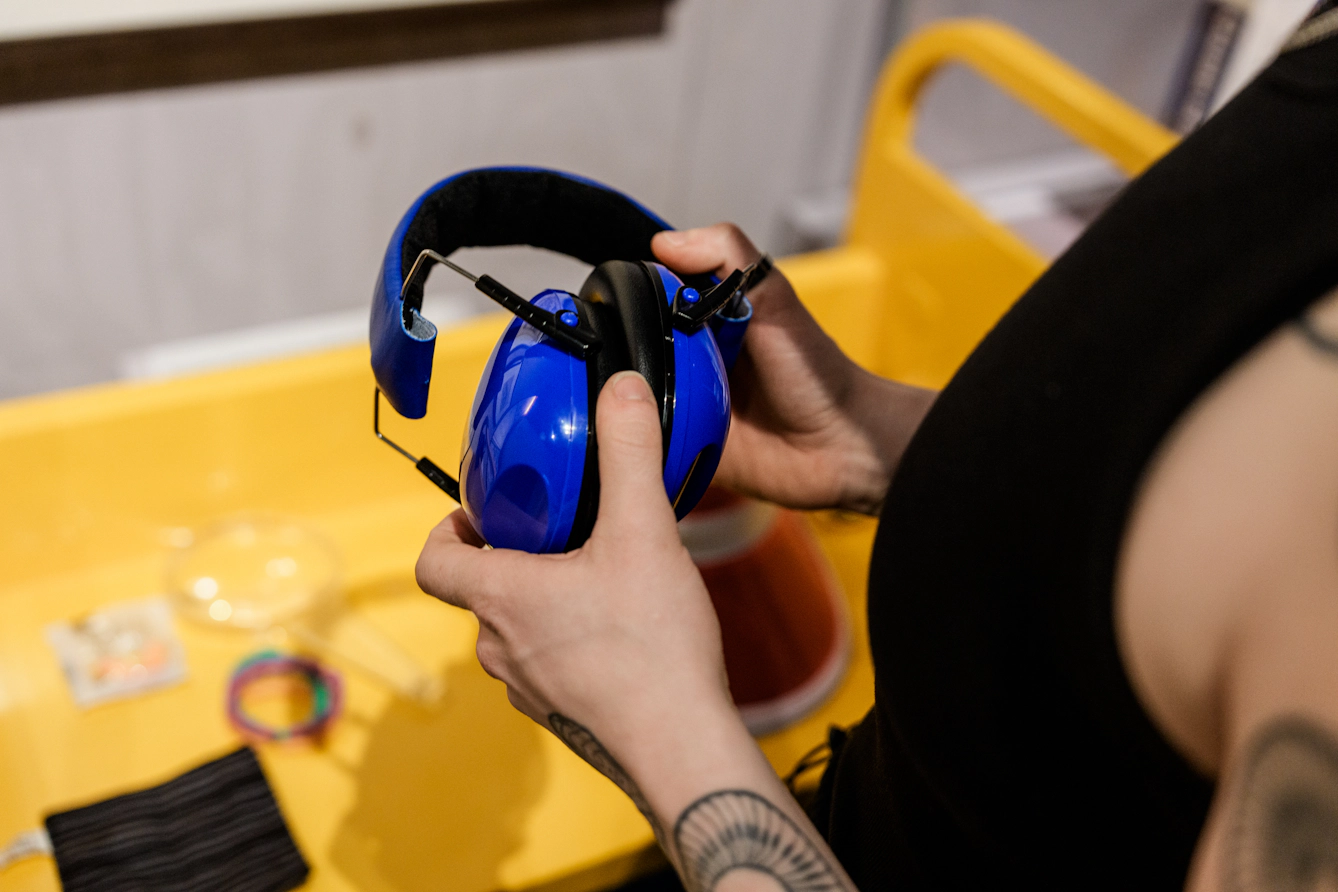
‘The Coming of Age’ exhibition at Wellcome Collection, Gallery Photo: Steven Pocock. Source: Wellcome Collection. Attribution-NonCommercial 4.0 International (CC BY-NC 4.0).
At a Relaxed Opening you can use our:
- cushions
- ear defenders
- tinted glasses
- tinted visors
- weighted lap pads.