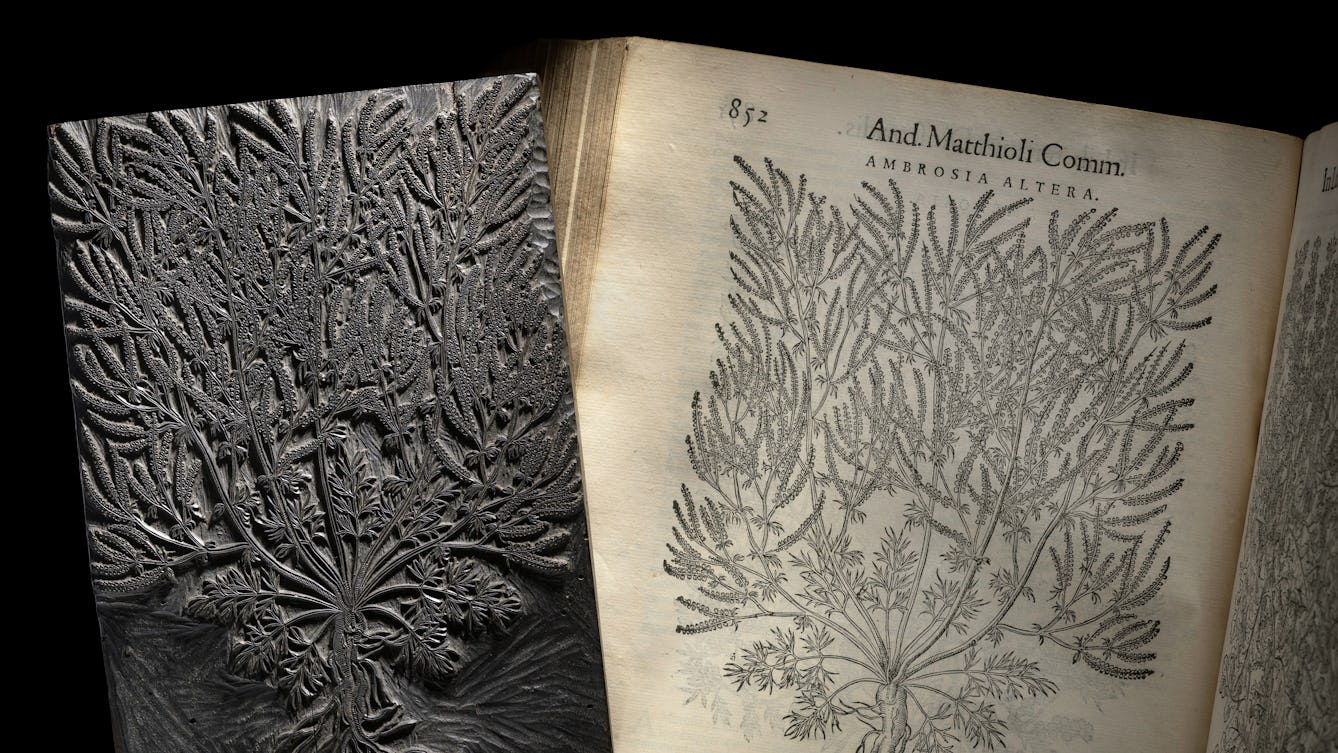
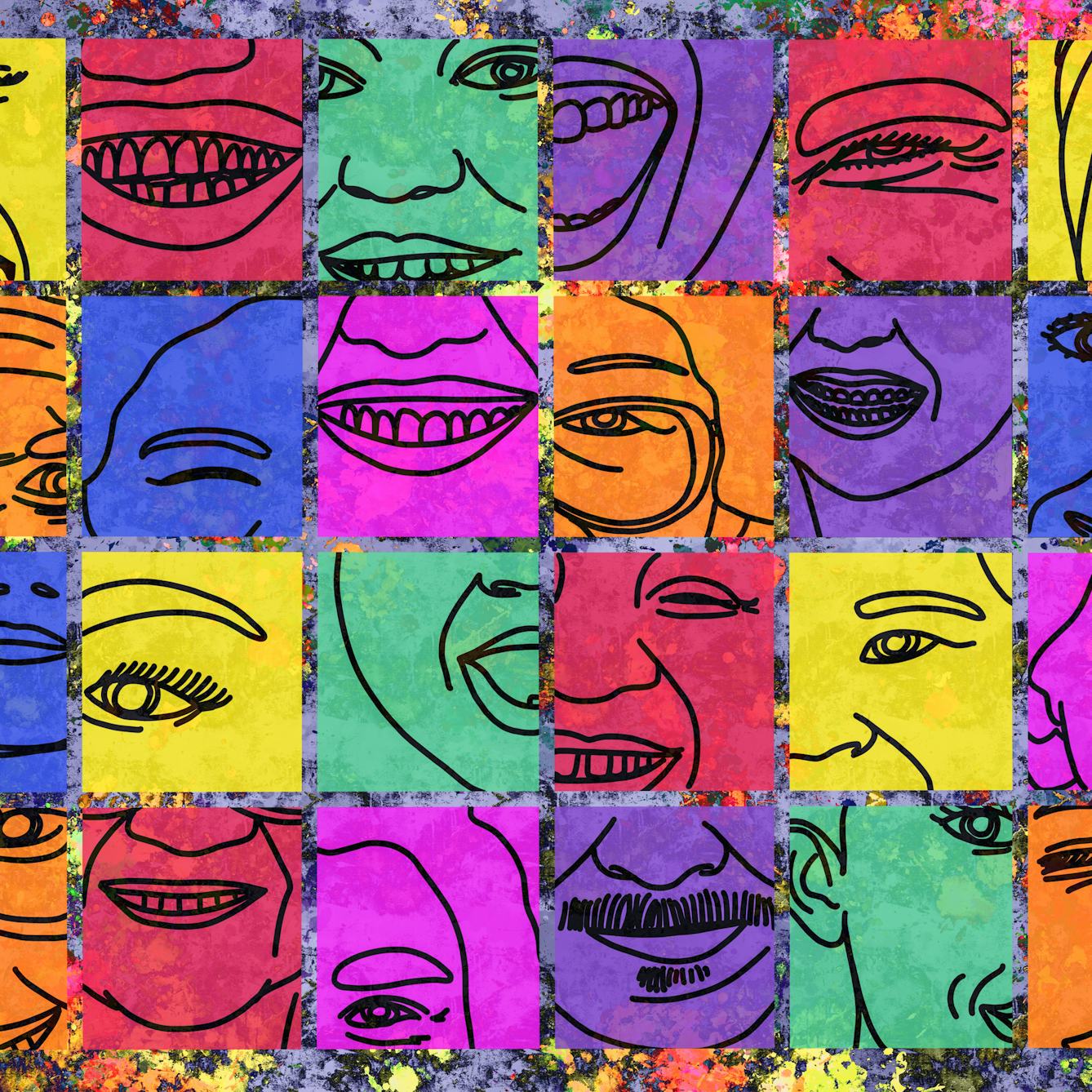
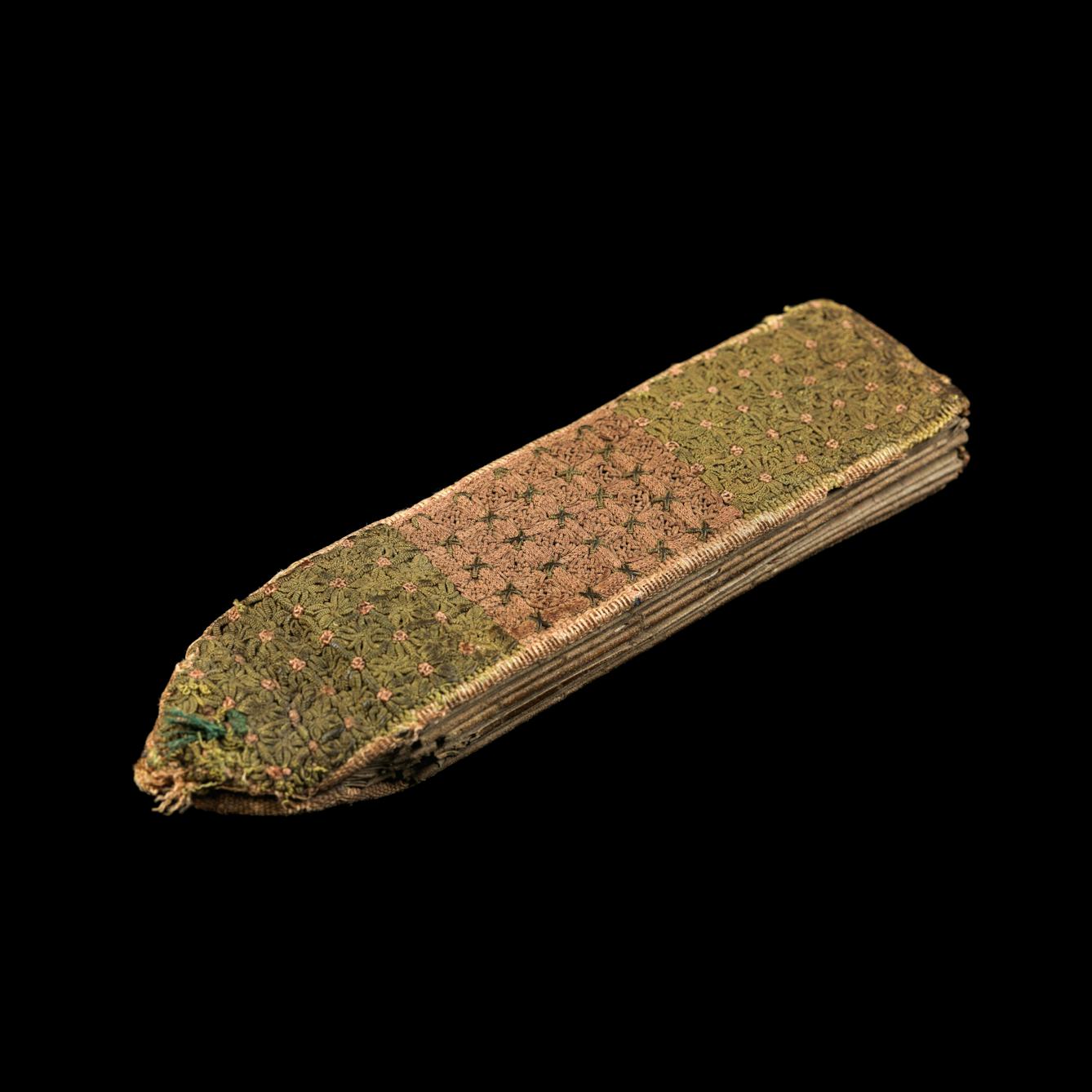
Home| StoriesInside our collectionsSeriesshow credit information for image 'Woodblock: Ambrosia altera'Woodblock: Ambrosia altera, Benjamin Gilbert. Source: Wellcome Collection. Attribution 4.0 International (CC BY 4.0).In picturesTestimonies of birthA 1980s film about childbirth explores how the experience felt for the women featured and offers a glimpse into the big birthing trends of the day.In picturesThe beautiful language of bookplatesDon’t judge a book only by its cover. Take a look inside, where decorative bookplates reveal stories that cross continents and centuries.In picturesFlorence Nightingale, Victorian design and the treatment of Covid-19Discover how the design of Britain’s Nightingale hospitals, set up during the first national lockdown, is based closely on Florence Nightingale’s pioneering ideas for the most effective hospital layout.In picturesRevealing the iron corsetThere are around 15 iron corsets in museum collections around the world, including two in Wellcome Collection. Historians still dispute their purpose, but these intriguing objects hold clues about who would have worn them and why.In picturesHow an animation educated the armyIn a 1940s cartoon intended to persuade US troops to take malaria medication, the makers pitted a clodhopping soldier against a wily mosquito. If only Private SNAFU had followed the government’s advice.In picturesHow to live well, the medieval wayThese days we might not think that celibacy could kill you, but otherwise, medieval tips to maintain wellness still often ring true.In picturesWe are the survivors of slow-motion epidemicsPioneering epidemiologist Dr Alice Stewart realised how things in our daily lives could be as deadly as any infectious disease.In picturesHistorical ways to hang on to your hairCould upper-class hair-hygiene regimes cause baldness, or does hair health depend on a blast of deadly mercury? Maisie Jenkins scours the archives for historic follicle care.In picturesLudwig Guttmann and the birth of the ParalympicsFor millions across the world, the Paralympics is a spectacle of human endurance and physical achievement. But the Paralympian movement started life as a hospital rehabilitation programme, developed by neurosurgeon Ludwig Guttmann.In picturesA visual history of cancerCancer has a reputation as a modern disease, but these historical images show that it’s been part of our lives for centuries.In picturesResponses to Brook’s sex education guidesBrook Advisory Centres provided relatable sex-education information to young people, but their popular material sometimes resulted in criticism from politicians and the media.In picturesMedieval mobility aidsThere are clues in the margins of medieval manuscripts to suggest that disabled people in the past made long pilgrimages, and were helped on their journeys by mobility aids remarkably similar to those we have today.ArticleDuelling doctorsAn enduring enthusiasm for 18th-century gentlemen to defend their ‘honour’ by duelling placed doctors in a delicate position. Specially when they faced being shot themselves.In picturesThe grape cureWhen we bring someone in hospital a bunch of grapes, we don't expect the grapes to work a miraculous cure upon them. But throughout history, wondrous healing powers have been attributed to the humble grape.ArticleA history of gestation outside the bodyIt’s been over 400 years since a Swiss alchemist theorised that foetuses could develop outside the womb. Claire Horn examines incubator technology past and present, and explores the possibilities recent prototypes might bring.In picturesChinese fashion and the history of the cloud collarDiscover the accessory that has captivated people for centuries, from seventh-century buddhas to 21st-century fashion subcultures.In picturesExpressions of joyDoes everyone express joy in the same way and can you always recognise it? Find out the conclusions drawn by artists, philosophers and scientists who have studied the way humans express emotion.In picturesAn emotional journey through drinkDavid Jesudason’s relationship with alcohol is complicated. Here he explores how booze can shape our behaviour, describing how he’s matured from underage drinker to cask-ale connoisseur.ArticleThe enigma of the medieval folding almanacWith its combination of rich, portable data and high-end style, this folding almanac could have been the medieval equivalent of the latest iPhone.In picturesFollowing the maker’s path into the lost art of medieval embroideryTextile maker Jacqui Carey unravels the mysteries of medieval embroidery by recreating the materials and techniques for herself, with the help of clues left by the original makers.Previous (page 3)Page 4 of 9Next (page 5)